
Chile’s infrastructure growth, from urban water networks in Santiago to remote mining pipelines in the Atacama, demands reliable HDPE pipe welding solutions. For contractors and utilities seeking performance, durability, and efficient installation, high-quality fusion machines are essential to ensure leak-free, long-lasting joints in harsh Chilean environments.
Why HDPE Butt Fusion Is the Preferred Choice in Chile
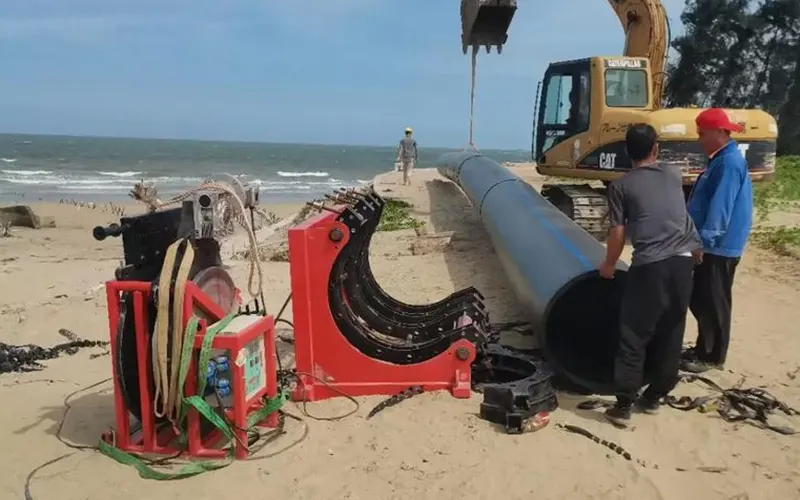
HDPE butt fusion offers unmatched corrosion resistance, flexibility, and chemical stability — attributes particularly useful for Chile’s coastal, seismic, and mining regions. The method creates homogeneous joints without foreign materials, reducing maintenance costs and improving pipeline lifespan.
Key Benefits for Chilean Projects
Durability: Resistant to soil chemicals and salt air, ideal for coastal and desert installations.
Seismic performance: Flexible joints absorb ground movement better than rigid materials — critical in earthquake-prone zones.
Cost efficiency: Faster fusion and fewer repairs translate to lower lifecycle costs for municipal and industrial networks.
Popular Machine Types for Chilean Applications
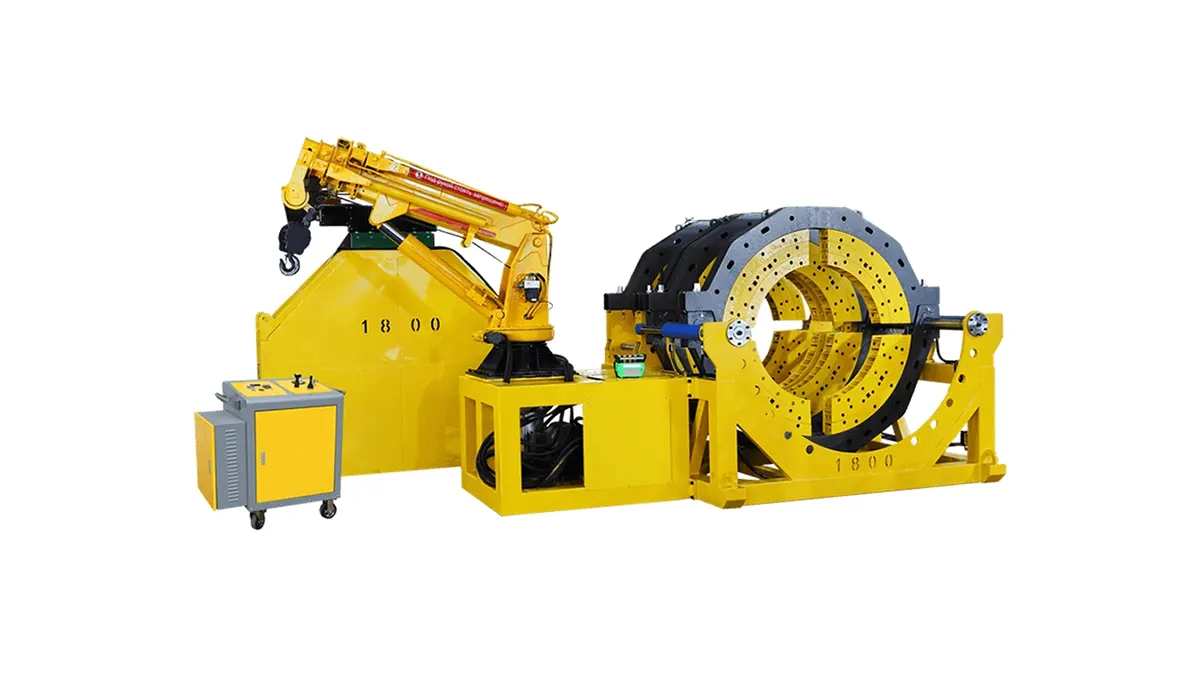
Small municipal projects and service lines often use manual and compact hydraulic units. For long gas distribution runs or mining slurry lines, semi-automatic and CNC-controlled machines deliver precision and repeatable weld quality.
Choosing the Right Machine: What Chilean Buyers Should Consider
Pipe diameter range: Match machine capacity to the pipeline size — from DN20 service lines to DN2250 industrial mains.
Mobility and site conditions: Machines for remote mining sites should be rugged, easy to transport, and tolerant of dust and temperature swings.
Automation level: Automated systems reduce operator variability — beneficial for large-scale municipal projects aiming for consistent QA/QC.
Model Comparison at a Glance
| Model | Type | Pipe Range (mm) | Best Use |
|---|---|---|---|
| Manual JQST / JQSY | Manual | 20 – 160 | Service lines & repairs |
| Hydraulic JQH Series | Hydraulic | 63 – 2250 | Municipal & industrial mains |
| Automatic JQA Series | CNC Automatic | 160 – 630+ | High-volume pipeline production |
Installation & Training Insights for Chilean Teams
Local technicians benefit from hands-on training in butt fusion best practices: surface preparation, correct heating plate handling, controlled fusion pressure, and documentation of weld records for municipal compliance. For mining contractors in northern Chile, training that addresses dusty environments and remote troubleshooting can reduce downtime.
Maintenance Tips for Long-Term Performance
Regular plate inspection: Keep heating plates clean and scratch-free to ensure uniform heat transfer.
Hydraulic checks: Monitor oil condition, seals, and pressure stability to avoid inconsistent welds.
Spare parts: Stock consumables like trimming tools and heaters to keep projects on schedule.
How to Source Reliable Equipment
Partner selection: Choose suppliers with proven production quality, global project experience, and responsive after-sales service. JQ-Fusion (https://jq-fusionwelding.com/) provides a range of manual, hydraulic, and automatic butt fusion machines designed for diverse pipe sizes and applications worldwide.
Next Steps for Chilean Buyers
Evaluate project scale, pipe diameters, and site logistics. For pilot projects, consider renting or testing a compact hydraulic unit; for long-term programs, invest in automated systems that deliver consistent weld data and faster throughput. Prioritize supplier support for commissioning and on-site training to maximize uptime.



