
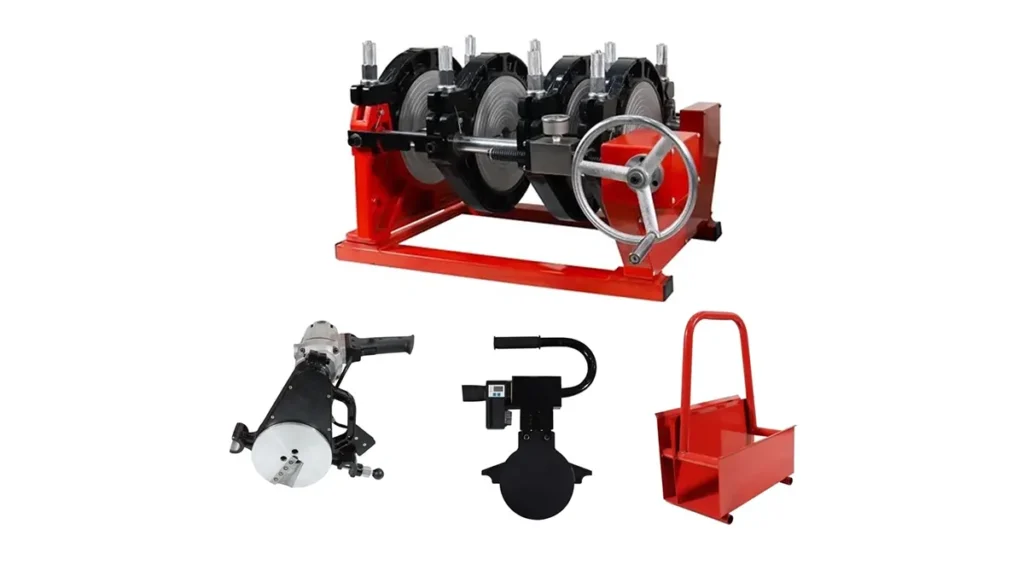
Boosting pipe welding productivity means combining smart planning, the right equipment, and site-safe habits. This guide covers practical tips to weld HDPE and other thermoplastic pipes faster without compromising quality or worker safety. Use these methods to reduce downtime, improve joint strength, and keep teams moving on schedule.
Pre-Job Planning: Save Time Before You Start
A quick site assessment and clear workflow cut hours from every project. Before welding begins, confirm pipe material grades, diameters, and the fusion method required. Standardize tooling and consumables for the job day to eliminate wait times for parts or heaters.
- Check logistics: place pipes, fittings, and machines close to the trench or assembly point to minimize handling.
- Prepare splice lists: sequence welds by pipe lengths and machine capacity to avoid unnecessary machine moves.
- Pre-heat planning: schedule heating plate and electrofusion cycles to overlap with cutting and chamfering tasks.
Tips for a Lean Prep Phase
Quick wins: keep trimming tools charged, maintain a small inventory of spare heating plates, and use pre-cut piping when possible to accelerate setup.
Choose the Right Machine and Settings
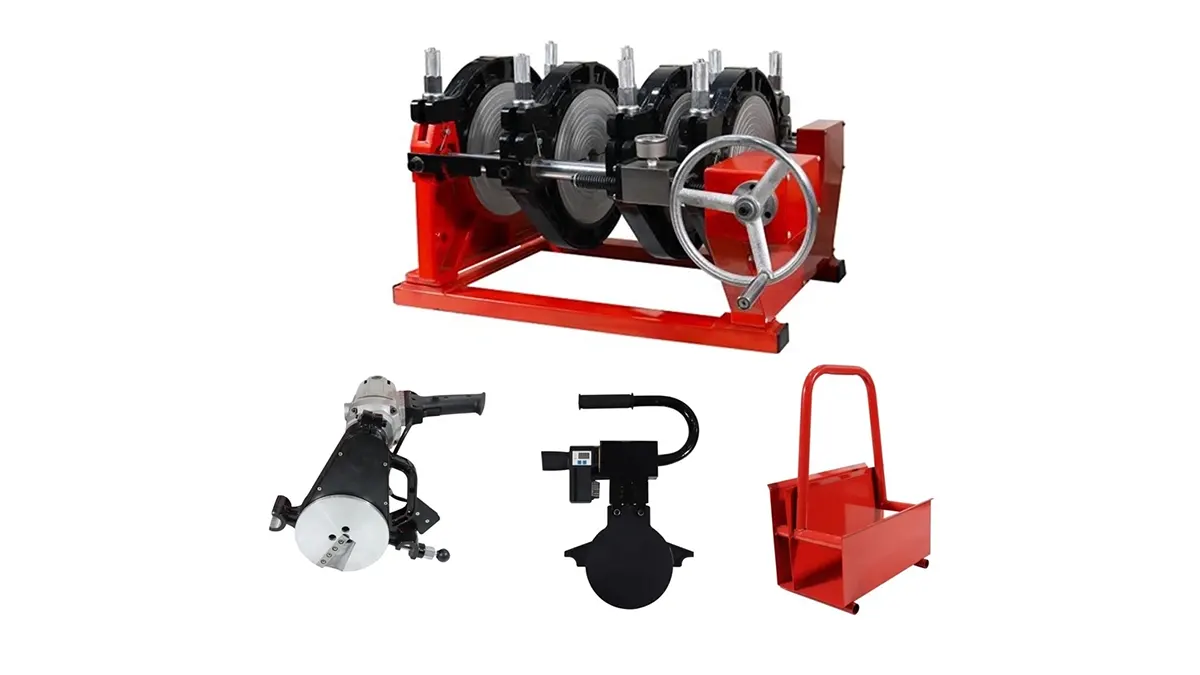
Select equipment that matches pipe diameter and site conditions. Large-diameter automatic or hydraulic butt fusion machines reduce manual reworks and produce consistent cycles; smaller manual units are ideal for tight spots. Optimize heater temperature and pressure settings based on the pipe manufacturer’s recommendations to minimize cycle time without risking weak joints.
Machine Selection Highlights
| Pipe Diameter | Recommended Machine | Expected Cycle Time (approx.) |
|---|---|---|
| 20–160 mm | Manual butt fusion / Electrofusion | 6–12 minutes |
| 160–630 mm | Hydraulic butt fusion (mobile) | 12–25 minutes |
| 630 mm and up | Automatic CNC / Large hydraulic units | 20–45 minutes |
Use the table above to align your machine fleet with the pipe sizes you weld most often. Investing in a mid-range automatic model can pay off quickly on frequent, medium-diameter runs.
Streamline Operator Workflow
Operator efficiency drives throughput. Cross-train crews so tasks like clamping, facing, heating, and cooling can be performed in parallel. A trained two-person team can often complete weld cycles faster than a single operator rotating between tasks.
- Assign roles: trimmer/inspector, heater operator, and clamp technician.
- Use checklists for each weld step to reduce rework and ensure compliance with welding parameters.
- Implement simple communication signals (radio/hand signals) to coordinate timing on noisy sites.
Quality Control Shortcuts
Quick visual inspections and a handheld infrared thermometer for immediate temperature checks prevent failed joints that cause costly rework. Document one sample weld per shift to track any drift in settings or operator technique.
Safety First: Faster Doesn’t Mean Riskier
Maintaining safety while increasing speed protects crews and prevents project delays due to incidents. Use personal protective equipment, keep the work area tidy, and ensure electrical and hydraulic systems are inspected daily.
- Secure pipe supports to avoid movement during heating and cooling.
- Label hot zones and provide heat-resistant gloves for handling plates and fittings.
- Schedule regular breaks to reduce errors from fatigue—errors cause slower progress overall.
Maintenance and Spare Parts Strategy
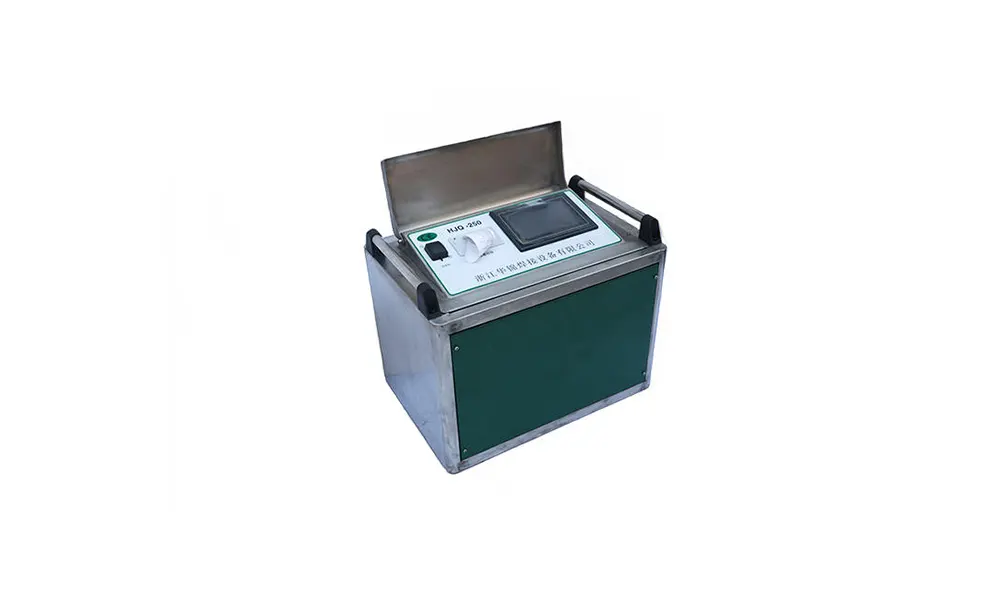
Preventative maintenance is a time-saver. Keep a simple log for each fusion machine and follow a weekly checklist: heater plate flatness, clamp teeth condition, hydraulic fluid level, and electrical connections. Stock critical spares such as heater elements, sealing rings, and trimming blades to avoid wait times for repair parts.
Sample Maintenance Checklist
| Item | Frequency | Why it matters |
|---|---|---|
| Heater plate surface | Daily | Ensures uniform heating and clean fusions |
| Hydraulic hoses & fittings | Weekly | Prevents pressure loss and downtime |
| Clamping jaws | Weekly | Maintains alignment and joint quality |
Training and Documentation
Invest in short, focused training sessions that emphasize correct parameters, safety, and troubleshooting. Keep laminated quick-reference guides at each machine station. Consistent documentation of weld parameters and outcomes improves future planning and helps optimize cycle times.
Quick Troubleshooting Checklist
- Uneven bead or cold weld — check heater temperature and facing quality.
- Hydraulic lag — inspect pressure levels and hoses.
- Excessive flash — reduce heater time or ensure correct alignment pressure.
Final Takeaways
Small improvements in planning, machine choice, operator flow, and maintenance compound into major time savings. Prioritize consistent procedures, stock essential spares, and keep safety at the core of every decision to maintain speed without sacrificing joint integrity.
About JQ-Fusion: JQ-Fusion is a professional manufacturer specializing in HDPE pipe welding machines and butt fusion solutions for global infrastructure projects. Visit site



