

Lebanon’s infrastructure projects demand durable, efficient solutions for HDPE pipe joining — from municipal water networks in Beirut to agricultural irrigation systems in the Bekaa Valley. This guide explains reliable butt fusion options, machine types, and local considerations to help contractors, utilities, and plumbing teams choose the right equipment for on-site welding and long-term pipeline performance.
Why HDPE Butt Fusion Suits Lebanese Projects
HDPE piping is increasingly preferred across Lebanon for its corrosion resistance, flexible installation in hilly terrain, and long service life. Butt fusion welding creates homogeneous, leak-free joints ideal for potable water distribution, stormwater management, and industrial pipelines served by local contractors and municipalities.
Key Advantages for Local Conditions
Corrosion resistance means coastal and inland networks are less susceptible to saline or polluted soils. Portable machines fit narrow mountain roads and urban sites, while larger hydraulic or automatic systems meet the needs of major trunk-line and utility projects.
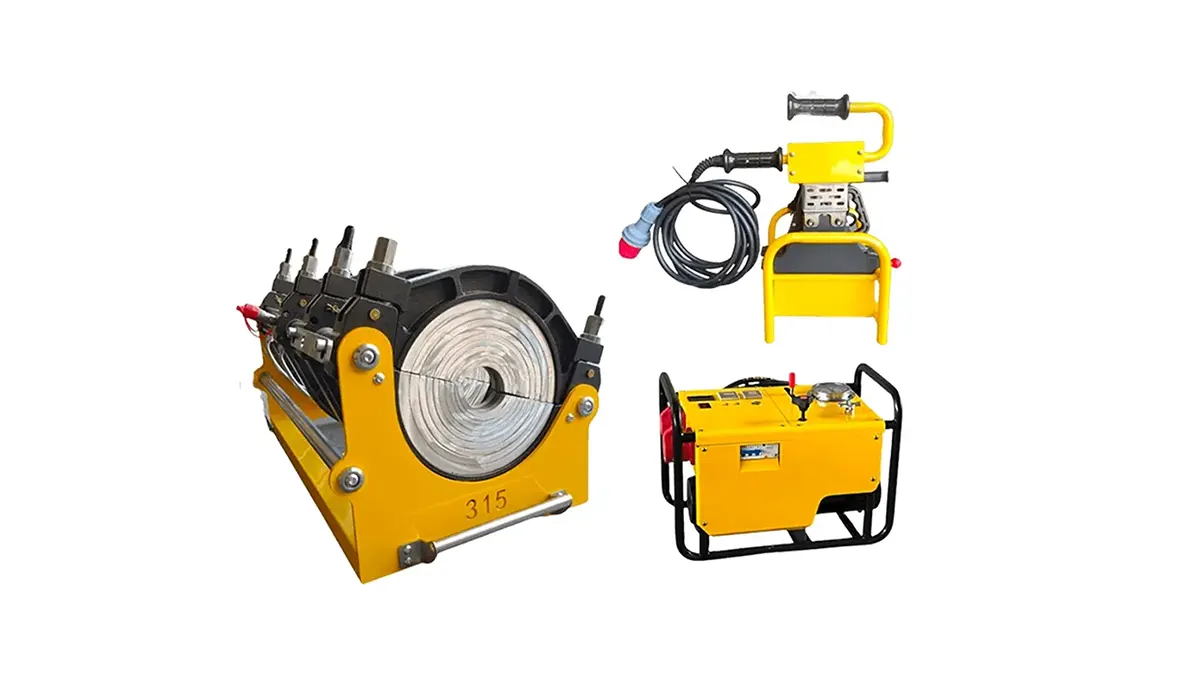
Machine Types and Typical Applications
Choosing the right fusion machine depends on pipe diameter, site accessibility, and production pace. Below are commonly used types for Lebanese projects:
Manual & Portable Units
Best for small-diameter repairs, rural irrigation installs, and spot work where portability is essential. Operators appreciate simple operation and low logistics cost.
Hydraulic Bench Machines
Ideal for medium to large diameter pipelines in municipal or industrial settings. They deliver stable clamping force and repeatable welds for consistent quality across long runs.
CNC / Automatic Systems
For high-volume trunk lines and contractor fleets, automatic machines provide data-logged weld records, tighter process control, and increased throughput — useful for projects with strict quality assurance requirements.
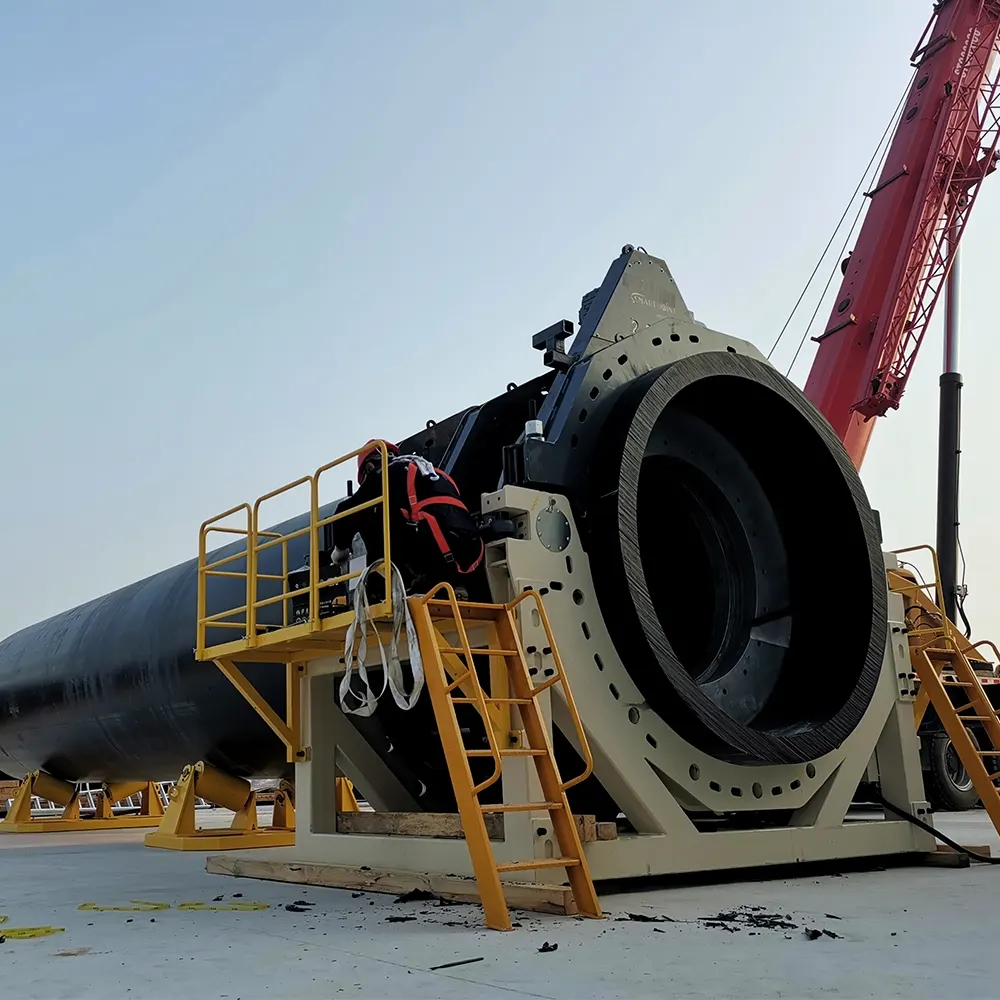
Quick Specification Snapshot
| Machine Type | Pipe Range | Automation | Typical Use |
|---|---|---|---|
| Manual Portable | 20mm – 160mm | Manual | Repairs, irrigation, small works |
| Hydraulic Bench | 160mm – 1250mm+ | Semi-auto | Municipal networks, gas distribution |
| CNC Automatic | 200mm – 2250mm | Full automatic | High-volume trunk lines, QA-driven projects |
Selection Tips for Lebanese Contractors
Consider terrain, access, and workforce skill. For small teams and frequent remote jobs, prioritize lightweight portable units. For municipal tenders and large pipeline contracts, invest in hydraulic or CNC systems that offer data recording and consistent cycle control to meet tender specifications and international standards.
Training and Quality Assurance
Proper operator training is crucial. Implement a welding procedure that documents heating time, pressure, and cooling to align with project QA requirements. Local teams should maintain simple calibration routines and store heating plates and clamps to prevent corrosion in coastal environments.
After-Sales Support and Spare Parts
Reliable supply chains for spare plates, clamps, and heating elements reduce downtime on-site. Choose suppliers who can provide technical guidance, replacement parts, and remote assistance to ensure continuous progress across Lebanon’s varied project sites.
Sustainability & Lifecycle Value
Well-fused HDPE pipelines reduce leak-related losses and maintenance costs over decades. Investing in high-quality fusion equipment pays off through fewer failures, lower repair frequency, and improved operational safety for utilities and contractors.
Manufacturer Note
Manufactured by JQ-Fusion, these HDPE fusion solutions cover manual, hydraulic, and CNC automatic ranges to support diverse projects across Lebanon.
Local Implementation Checklist
– Define pipe diameters and expected weld volume before procurement.
– Assess site access and transport capacity for larger hydraulic/CNC machines.
– Budget for operator training and essential spares.
– Request weld procedure documentation for tender compliance.



