
In Mauritius, reliable HDPE pipe welding and installation are essential for resilient water supply, irrigation, and coastal infrastructure projects. This guide explains how HDPE fusion machines and best practices help local contractors, utilities, and engineers deliver leak-free, long-lasting pipelines under tropical and coastal conditions.
Why HDPE Fusion Machines Matter in Mauritius
HDPE butt fusion welding produces homogeneous joints that resist corrosion, flex under settlement, and tolerate salt air — qualities particularly important for island environments. Whether you are working on potable water networks in Port Louis, irrigation systems in the central plateau, or resort and marina piping on the coast, the right fusion equipment ensures dependable performance and lower lifecycle costs.
Key Benefits for Local Projects
Using appropriate HDPE fusion machines delivers:
-
Durable, leak-proof joints that reduce maintenance needs across Mauritius’ humid climate.
-
Faster onsite welding speeds for timely completion of seasonal or urgent works.
-
Reduced open-trench time, minimizing environmental impact and disruption in densely visited tourist areas.
-
Compatibility with a wide range of pipe diameters for municipal, industrial, and agricultural pipelines.
Common Machine Types for Island Use
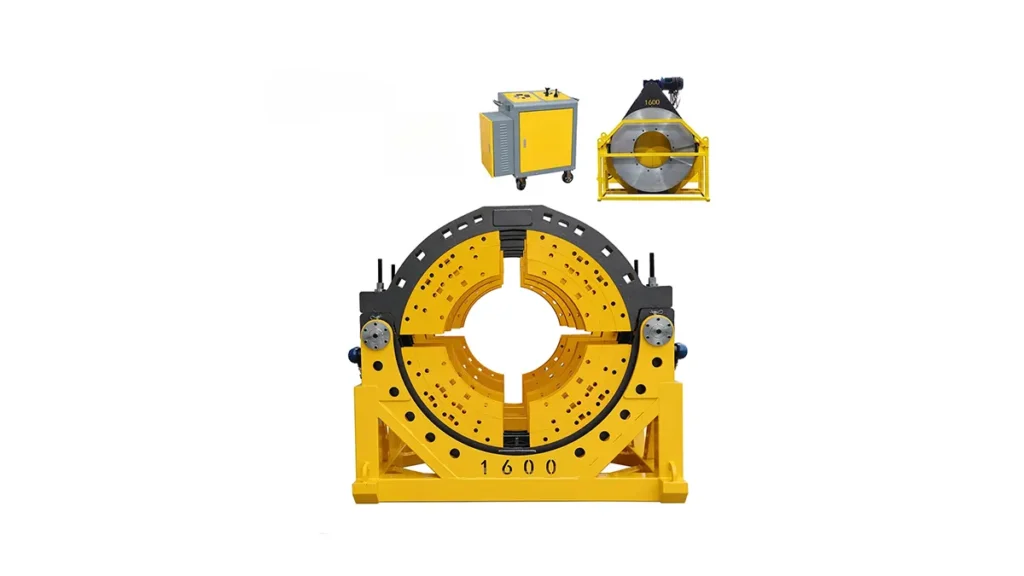
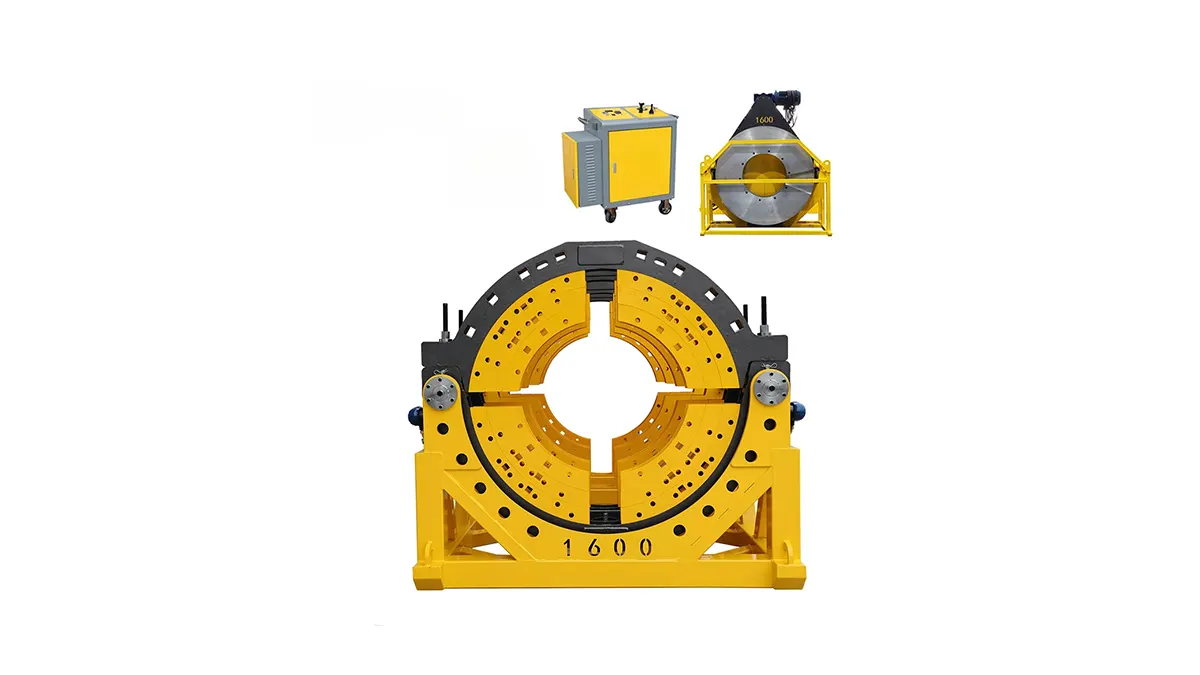
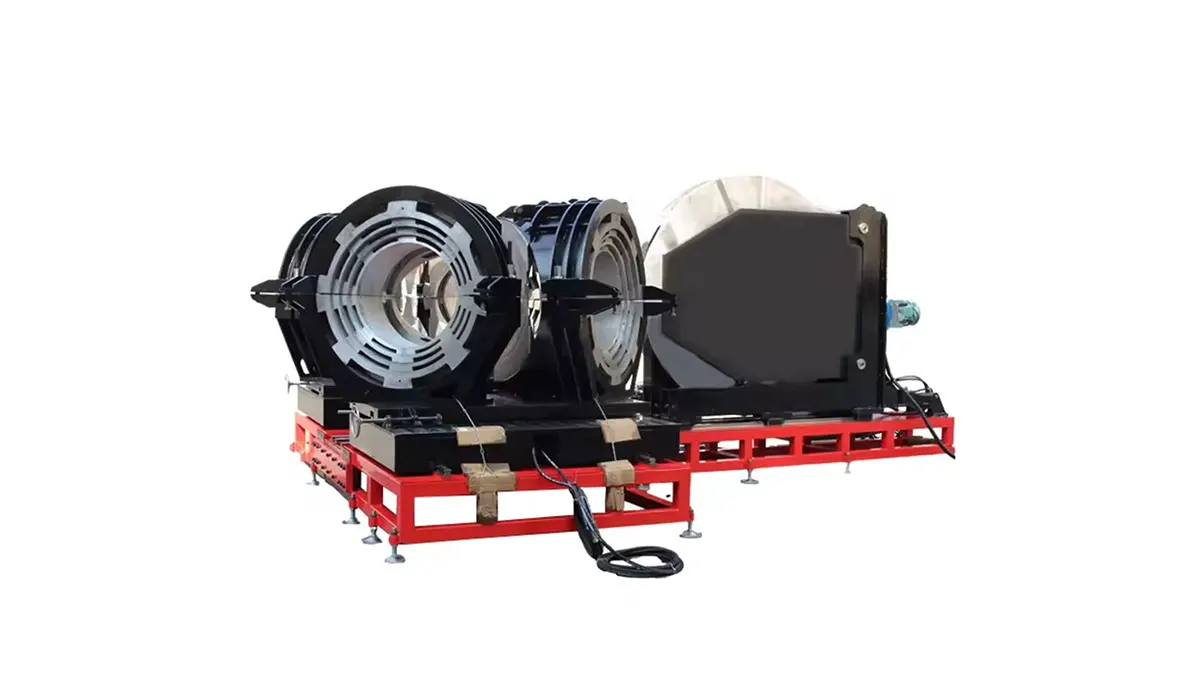
Choose among manual, hydraulic, and CNC automatic butt fusion machines depending on project scale and workforce skill level:
| Model Type | Pipe Range | Ideal For | Key Advantage |
|---|---|---|---|
| Manual Butt Fusion | Small to medium (20–315mm) | Remote sites, tight budgets | Lightweight, portable |
| Hydraulic Butt Fusion | Medium to large (160–1600mm+) | Municipal networks, high-volume works | Stable clamping, higher pressure control |
| Automatic / CNC Systems | Medium to very large | Large pipeline projects, repeatable precision | Data logging and process automation |
Selecting the Right Machine for Mauritius
When specifying equipment for Mauritian projects, consider:
-
Salt-air corrosion resistance and protected electrical components for coastal deployments.
-
Portability for inter-island transfers or sites with limited vehicle access.
-
Availability of technical support, spare parts, and training to local teams for long-term reliability.
-
Data recording features for quality assurance on municipal contracts and compliance with local standards.
Best Practices for Onsite Fusion and Installation
To ensure consistently strong joints:
-
Use clean, dry pipe ends and confirm correct facing and alignment.
-
Follow heating and cooling cycles precisely per pipe material and ambient temperature.
-
Protect the work area from wind and rain — temporary shelters are effective on exposed coastal sites.
-
Maintain detailed weld logs when working on public water or gas networks for traceability.
Maintenance, Training & Local Support
Regular calibration, clean heating platens, and trained operators reduce rework. Invest in periodic training sessions so local crews in Mauritius can confidently operate hydraulic and automatic fusion units and perform basic troubleshooting.
Procurement & Contact
For tailored butt fusion solutions, heavy-duty frames, and multi-angle fitting machines suited to island conditions, contact JQ-Fusion via https://jq-fusionwelding.com/ to discuss model selection, spare parts, and training packages.



