
Rwanda’s expanding gas distribution network demands reliable, safe welding solutions for polyethylene (PE/HDPE) pipelines. Whether serving urban projects in Kigali or rural distribution lines reaching farming communities, selecting the right butt fusion and electrofusion equipment is crucial for performance and public safety.
Why Quality Welding Equipment Matters for Rwanda’s Gas Infrastructure
Pipeline integrity is non-negotiable for gas lines. Poor welds can cause leaks, service interruptions, and safety hazards in densely populated neighborhoods and growing industrial zones. For Rwanda — where many projects aim to connect communities and boost local industry — equipment that ensures consistent, certified welds helps reduce long-term maintenance and improves public trust in utility services.
Common Welding Solutions for Gas Lines
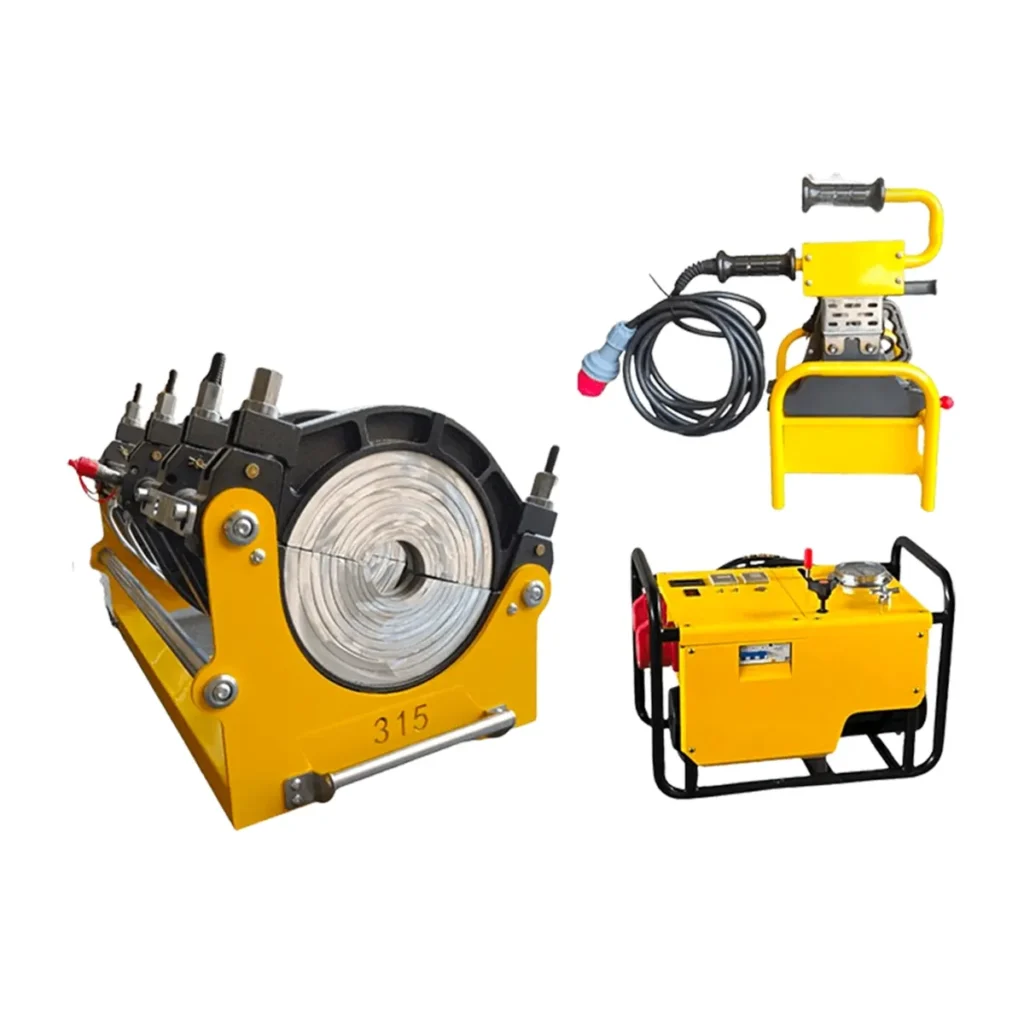
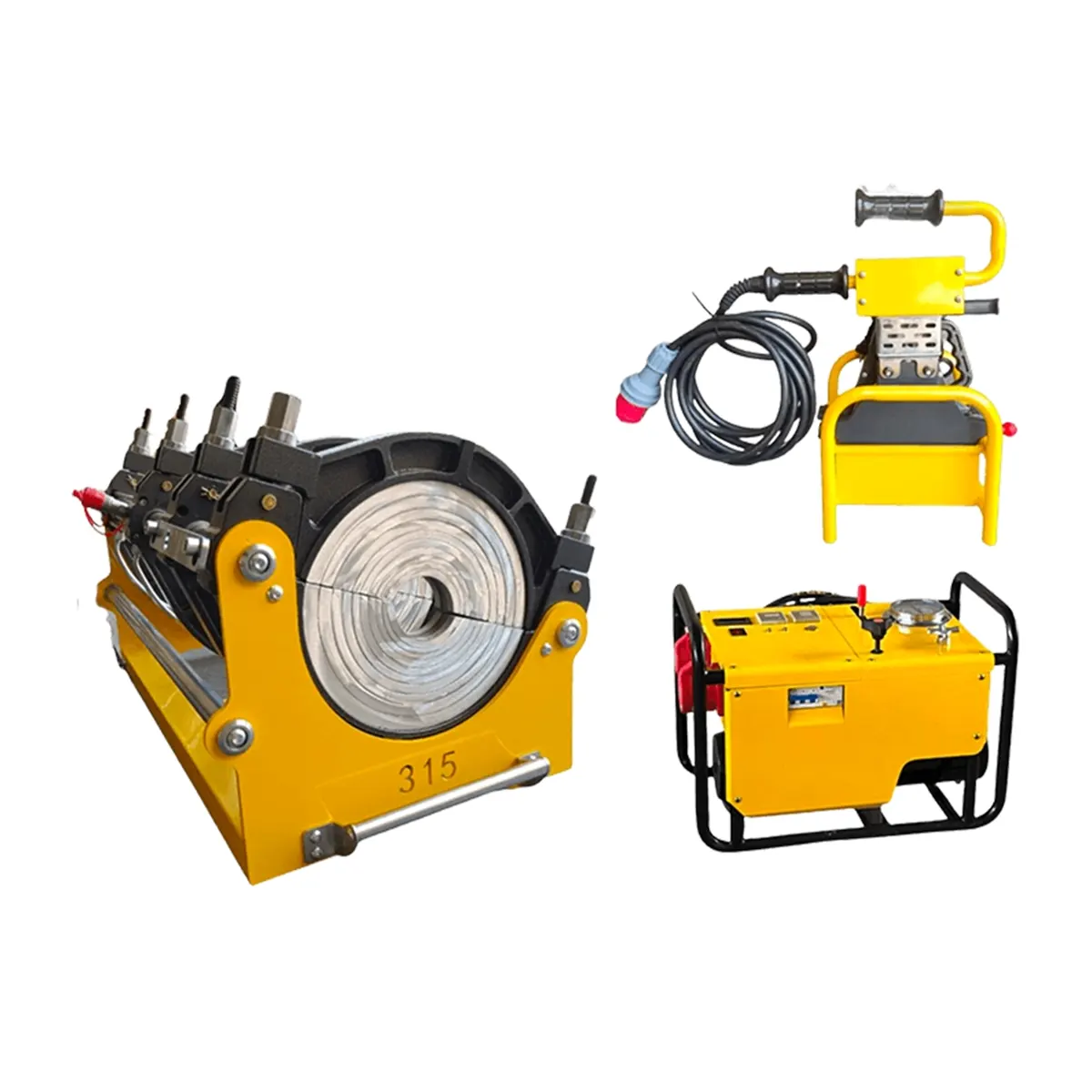
Butt fusion machines — ideal for joining HDPE pipes across diameters, offering robust, homogenous joints. Hydraulic units provide higher clamping force for larger diameters, while manual units suit smaller-scale or remote jobs. Electrofusion machines are preferred for fittings and repairs, enabling controlled heating of couplers with minimal field setup.
Selecting the Right Machine for Rwandan Projects
Consider these factors when procuring welding equipment for local gas projects:
- Pipe diameter range — urban distribution typically uses smaller diameters, whereas trunk lines require large-diameter machines.
- Portability vs. power — remote or hillside installations near rural settlements need lighter, manual or compact hydraulic units.
- Operator training — machines with clear controls and automated profiles reduce human error and improve weld consistency.
- After-sales support — fast access to spare parts and technical guidance is essential for minimizing downtime across Rwanda’s districts.
Performance Snapshot: Machine Types
| Machine Type | Best For | Advantages |
|---|---|---|
| Manual Butt Fusion | Small-diameter distribution lines | Lightweight, low cost, simple maintenance |
| Hydraulic Butt Fusion | Medium to large trunk pipelines | High clamping force, stable welds for large diameters |
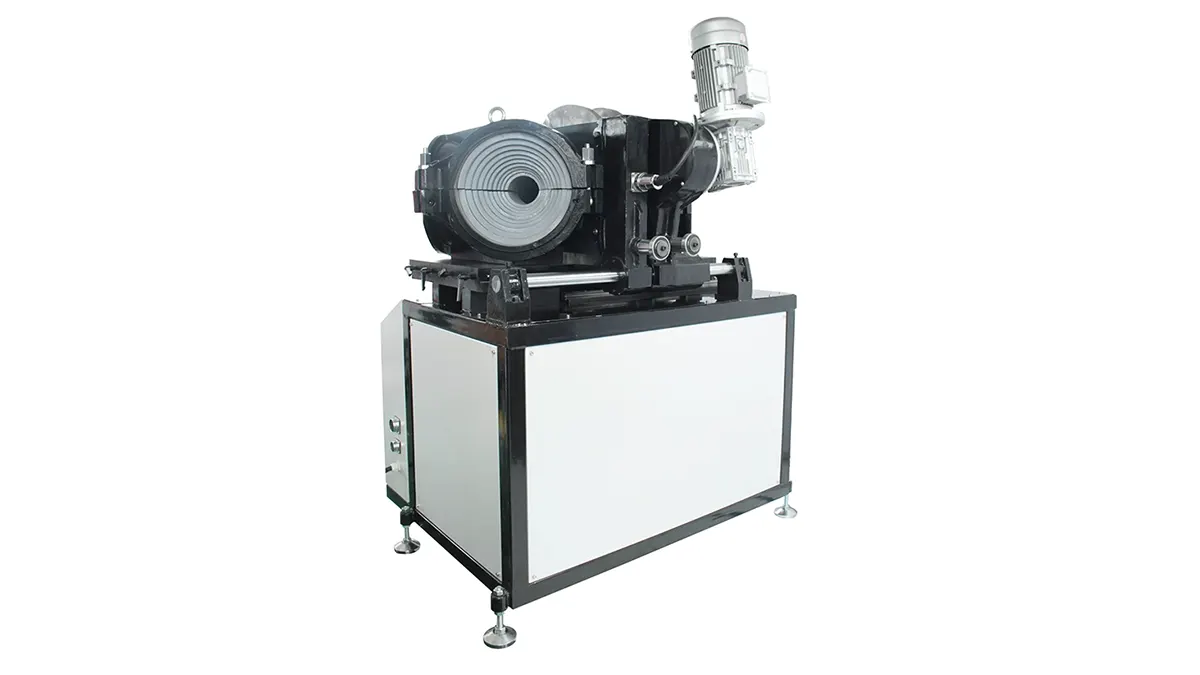
| Automatic/CNC Butt Fusion | Long runs with repetitive welds, industrial projects | Precise control, recordable welding parameters |
| Electrofusion | Fittings, repairs, service connections | Quick set-up, ideal for complex networks and repairs |
Safety and Certification Considerations
Confirm that equipment supports internationally recognized welding procedures and that operators follow approved gas pipeline welding standards. For Rwanda, prioritize machines that enable traceable welding records and stable heating control — features that help meet utility regulations and satisfy international funders or project partners.
Maintenance & Training Tips for Local Teams
Routine calibration and preventive maintenance extend equipment life and ensure weld quality. Invest in operator training focused on proper fusion procedures, inspection of fusion faces, and safe handling of heating plates and couplers. Mobile training units and on-site demonstrations work well for contractors and municipal teams across Kigali and provincial areas.
Procurement Checklist for Rwandan Buyers
- Match machine capacity to project pipeline diameters and expected throughput.
- Verify compatibility with local power supplies or arrange suitable generators for remote sites.
- Ask about spare parts lead times and available technical support in Africa or through regional distributors.
- Request user manuals and welding procedure specifications (WPS) to ensure compliance with gas utility auditors.
About the Supplier
JQ-Fusion is a professional manufacturer specializing in HDPE pipe welding machines, providing reliable butt fusion solutions for global infrastructure projects. With a full range of manual, hydraulic, and automatic machines, JQ-Fusion supports gas distribution, water supply, mining, and industrial pipeline installation with durable, customizable equipment. Visit the manufacturer for product specifications and service options.
Next Steps for Project Managers in Rwanda
Start by mapping pipeline diameters and access conditions, then shortlist machines that match your technical and logistical needs. Prioritize supplier warranties, training packages, and local support channels to keep gas networks safe and reliable as Rwanda continues to expand urban services and rural connections.



