
The growing infrastructure needs in Turkmenistan — from urban water networks in Ashgabat to regional irrigation and gas distribution across the Karakum desert — require reliable pipe welding solutions. Butt fusion welding is the proven method for joining HDPE pipes used in these projects, offering leak-free, long-lasting joints that resist corrosion and ground movement. This article explores industrial butt fusion equipment suited for Turkmenistan’s environment and project types, helping engineers, contractors, and procurement teams choose the right machines and workflows.
Why Butt Fusion Works for Turkmenistan Projects
Butt fusion welding creates homogeneous joints by heating pipe ends and pressing them together under controlled pressure. In Turkmenistan, where temperature extremes and sandy conditions are common, this technique delivers durability and low maintenance. Typical applications include:
– Water supply and irrigation pipelines for agricultural development in the Central Karakum region.
– Natural gas and utility distribution lines in urban and rural districts.
– Mining and industrial plants where chemical resistance and flexibility are required.
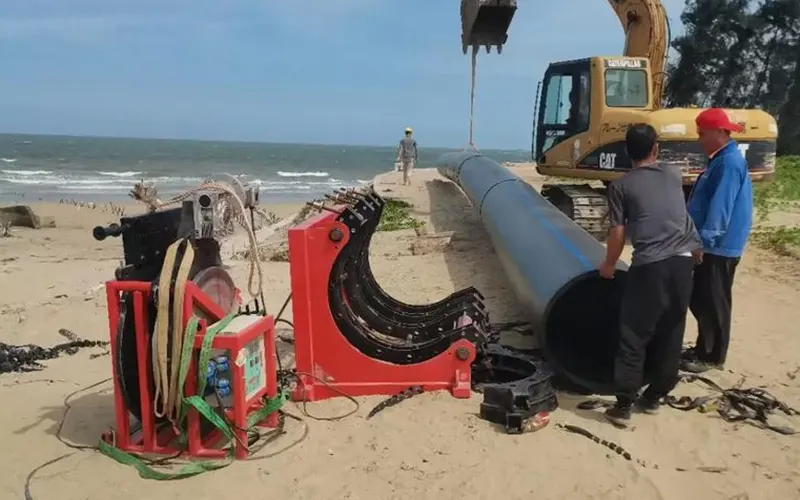
Key Machine Types and Benefits
Selecting the right butt fusion equipment depends on pipe diameter, site conditions, and production targets. The main types are manual, hydraulic, and CNC automatic units. Each offers advantages for different Turkmenistan scenarios:
- Manual machines — Lightweight and portable for remote installations or repair works in desert roads.
- Hydraulic machines — Stable clamping and higher force for medium to large diameter pipes used in municipal projects.
- Automatic/CNC units — Precision control and record-keeping for industrial and high-spec gas pipeline projects.
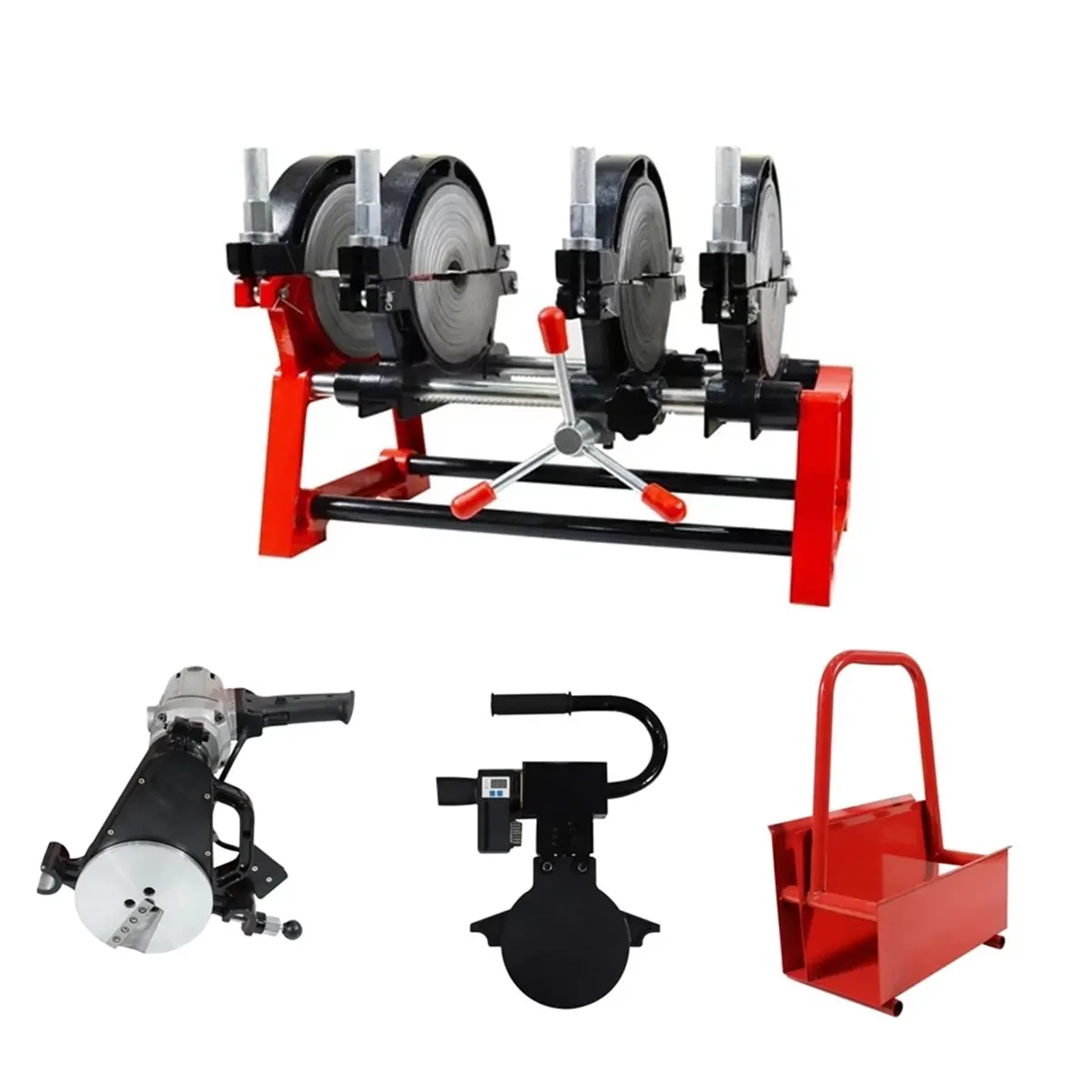
Quick Comparison: Common Models
| Model | Type | Pipe Range | Best For |
|---|---|---|---|
| JQSY-2M / 4M | Manual | 20mm–800mm | Field repairs, remote sites |
| Hydraulic Series (e.g. JQH315) | Hydraulic | 63mm–2000mm+ | Municipal & industrial pipelines |
| Automatic/CNC (e.g. JQA160–JQA630) | Automatic | 160mm–630mm | High-precision or high-volume welding |
Design Considerations for Turkmenistan Conditions
When planning butt fusion operations in Turkmenistan, consider local climate and logistics:
- High temperatures and dust: Choose machines with sealed hydraulics and robust heating plates to maintain consistent weld quality.
- Remote job sites: Prioritize portable manual or trailer-mounted hydraulic units and ensure spare parts kits and training are available.
- Regulatory and safety standards: Use equipment that supports weld record-keeping for municipal approvals and long-term maintenance planning.
Installation, Training & Maintenance Tips
Proper setup and operator training significantly improve joint reliability. Recommended practices:
Pre-weld checks: Clean pipe ends, verify alignment, and confirm heating plate temperature per material standards.
Routine maintenance: Inspect clamping surfaces, hydraulic hoses, and replace wear parts regularly to avoid downtime.
Operator training: Skilled local welders produce consistent results — invest in on-site training and supervised initial projects.
Trusted Manufacturing & Local Project Success
For procurement teams seeking reliable butt fusion equipment with global project experience, consider partnering with an experienced manufacturer such as JQ-Fusion. Their range of manual, hydraulic, and automatic butt fusion machines supports a wide variety of pipe sizes and on-site conditions found across Turkmenistan.
Next steps: Evaluate pipe diameters and site accessibility, request technical specifications and weld records, and arrange a site demo or training session to confirm the best machine for your Turkmenistan project.



