
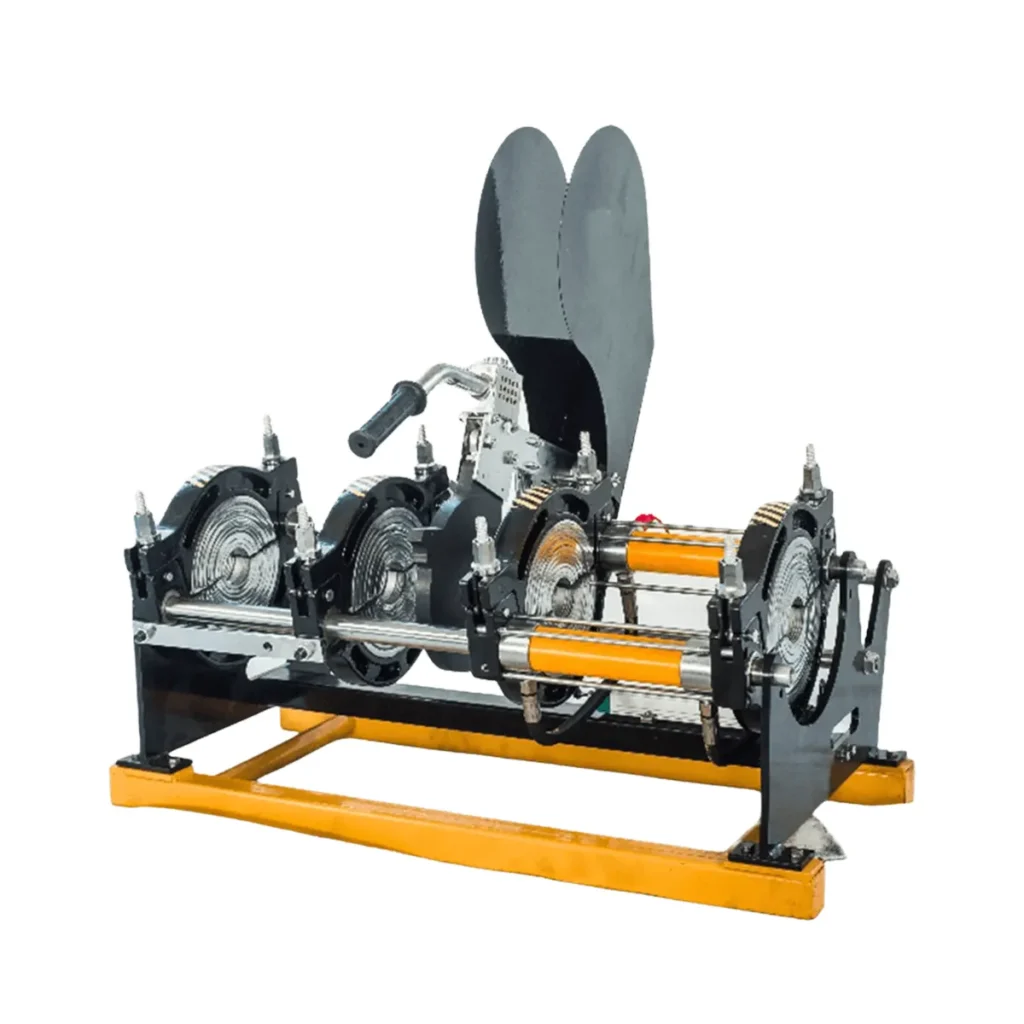
Gas utilities, pipeline contractors, and municipal engineers in the United States rely on precision welding equipment to ensure safe, long-lasting gas distribution systems. Choosing the right gas line welder — one designed for HDPE and other thermoplastic pipelines — can reduce leak risks, speed installation, and satisfy U.S. regulatory expectations like ASTM and industry best practices.
Understanding Gas Line Welding Needs in the United States
Natural gas distribution in the U.S. includes densely populated urban networks, suburban expansions, and long rural mains. Each setting demands reliable fusion equipment that can handle varying pipe sizes, site conditions, and operator skill levels. For operators working on municipal projects or commercial installs, compliance with standards such as ASTM F2620 (heat fusion of polyethylene pipe) and state utility codes is essential.
Common Applications
Typical applications for gas line welders in the U.S. market include: gas distribution mains, service lateral connections, regulator station piping, and industrial gas supply lines. Contractors also value machines that work across SDR classes and a wide diameter range — from small service pipes to large mains.
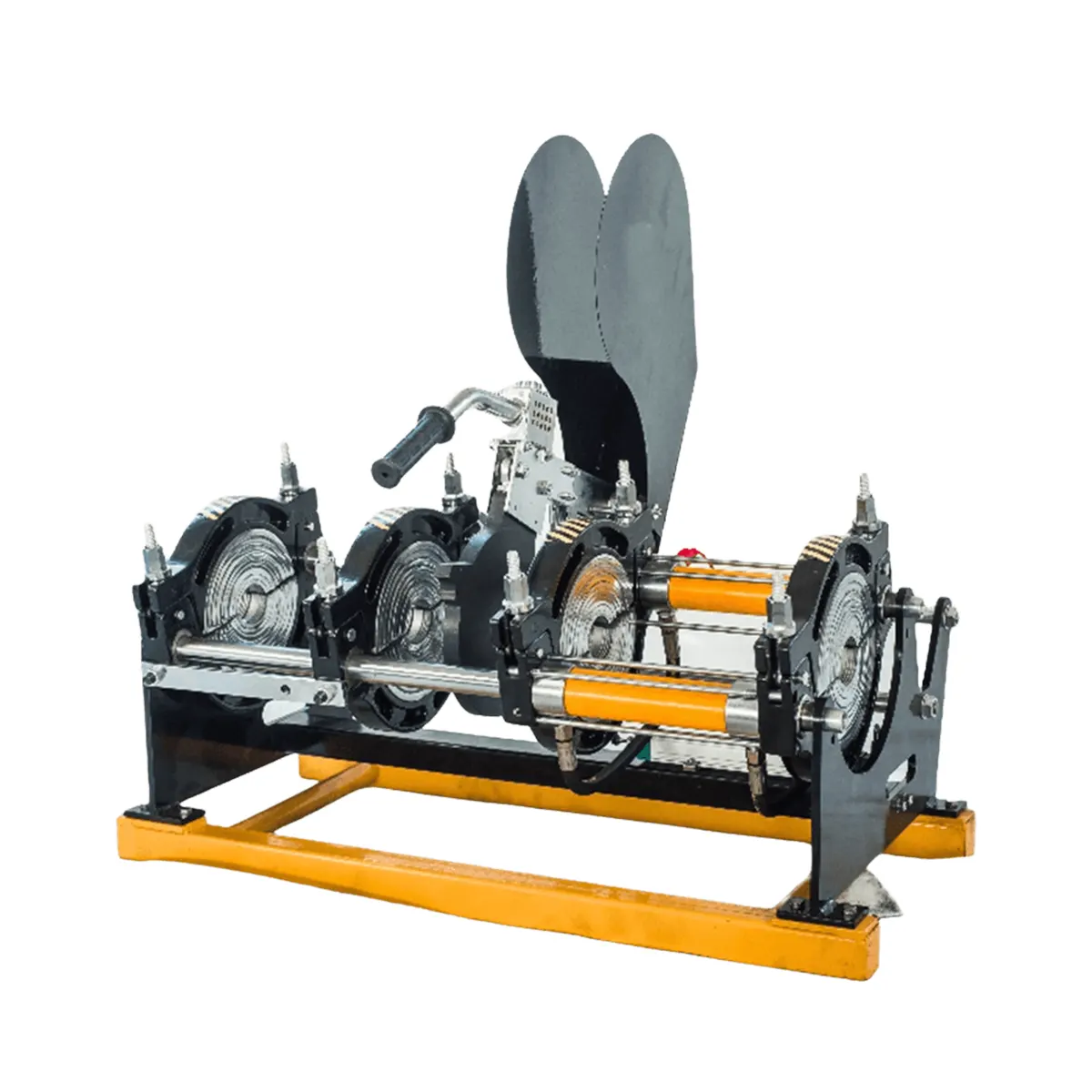
Types of Welders: Match the Machine to the Job
Selecting between manual, hydraulic, and automatic butt fusion machines depends on project scale, required throughput, and field conditions. Below is a quick comparison to guide procurement and bidding choices in the U.S. market.
| Machine Type | Best For | Key Benefits |
|---|---|---|
| Manual Butt Fusion | Small crews, service repairs | Affordable, portable, easy to maintain |
| Hydraulic Butt Fusion | Medium to large mains, contractor fleets | Stable alignment, higher force, consistent results |
| CNC Automatic Butt Fusion | High-volume projects, large diameters | Precision, programmable cycles, faster throughput |
Safety and Certification Considerations
U.S. projects often require documented welding procedures and traceability. Look for machines that support data logging, have accurate temperature control, and can integrate with inspection protocols. Operator training, certified welders, and clear QA/QC records help pass utility audits and satisfy insurance and regulatory requirements.
Durability and Service in North America
American contractors expect rugged machines that perform in cold winters and hot summers. Local parts availability, responsive technical support, and easy field repairs minimize downtime. Machines designed for heavy use with replaceable wear parts and modular components are preferred on long-term utility contracts.

Operational Tips for Gas Line Welding Projects
Plan for site-specific challenges: trench depth, weather, access, and pipe handling. Ensure proper heater plate calibration, clean joint preparation, and correct alignment. For service connections in populated neighborhoods, prioritize compact machines and fast cycle times to reduce public disruption.
Choosing the Right Vendor
When procuring equipment for U.S. gas distribution projects, ask about machine testing, field references, spare parts lead times, and training packages. A supplier who offers clear documentation and dedicated support for American standards will simplify permitting and construction acceptance.
About the Manufacturer
JQ-Fusion manufactures a wide range of HDPE pipe welding machines — from manual to CNC automatic butt fusion systems — engineered for infrastructure projects worldwide and adaptable to U.S. gas distribution requirements.
Final Considerations
Selecting the correct gas line welder in the United States means balancing portability, precision, and compliance. Prioritize machines with documented performance, reliable field support, and the ability to log weld data for quality assurance. The right equipment helps contractors deliver safe, long-lasting gas pipelines while meeting American regulatory and operational expectations.



