
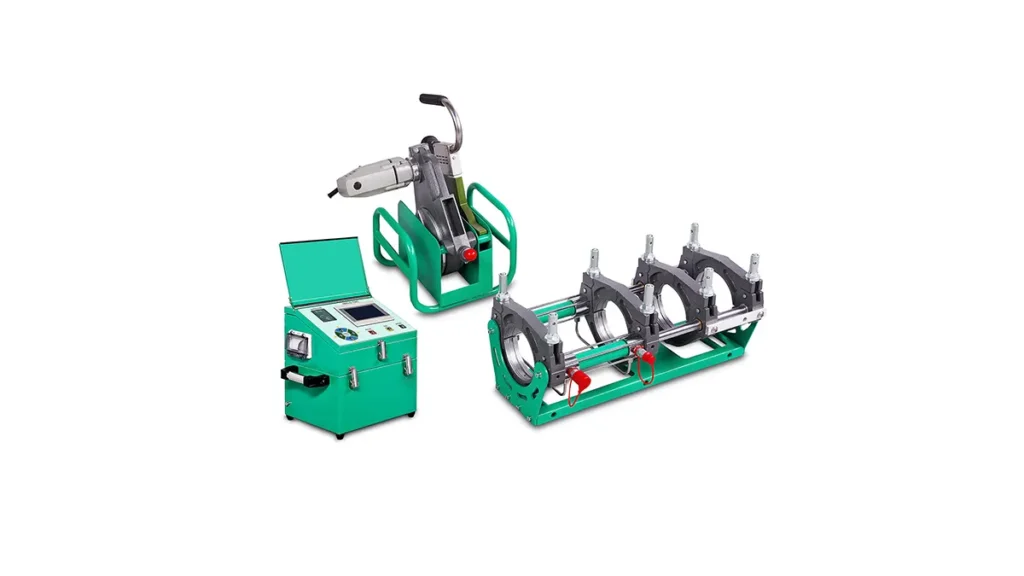
Finding a reliable gas pipe welding machine supplier is critical for utilities, municipal works, and contractors who need durable, safe, and efficient solutions for HDPE gas distribution and industrial pipelines. This guide outlines what to look for in a supplier, the most relevant machine types for gas pipework, and practical tips for selecting equipment that improves joint integrity and onsite productivity.
Why Choose the Right Welding Equipment for Gas Pipelines
Safety and long-term integrity are non-negotiable in gas distribution networks. Proper butt fusion or electrofusion machines produce consistent, traceable joints that reduce leak risk and maintenance costs. A top supplier will offer machines designed for repeatable weld quality, user safety features, and easy calibration to industry standards.
Primary Concerns for Gas Projects
Gas pipeline projects demand equipment that delivers:
- Precise temperature and pressure control to achieve homogeneous fusion.
- Robust clamping and alignment systems to prevent misalignment during heating.
- Traceability options such as digital records or control units for quality assurance.
Common Machine Types for Gas Pipe Welding
Suppliers usually cover a range of technologies tailored for different project scales and site conditions:
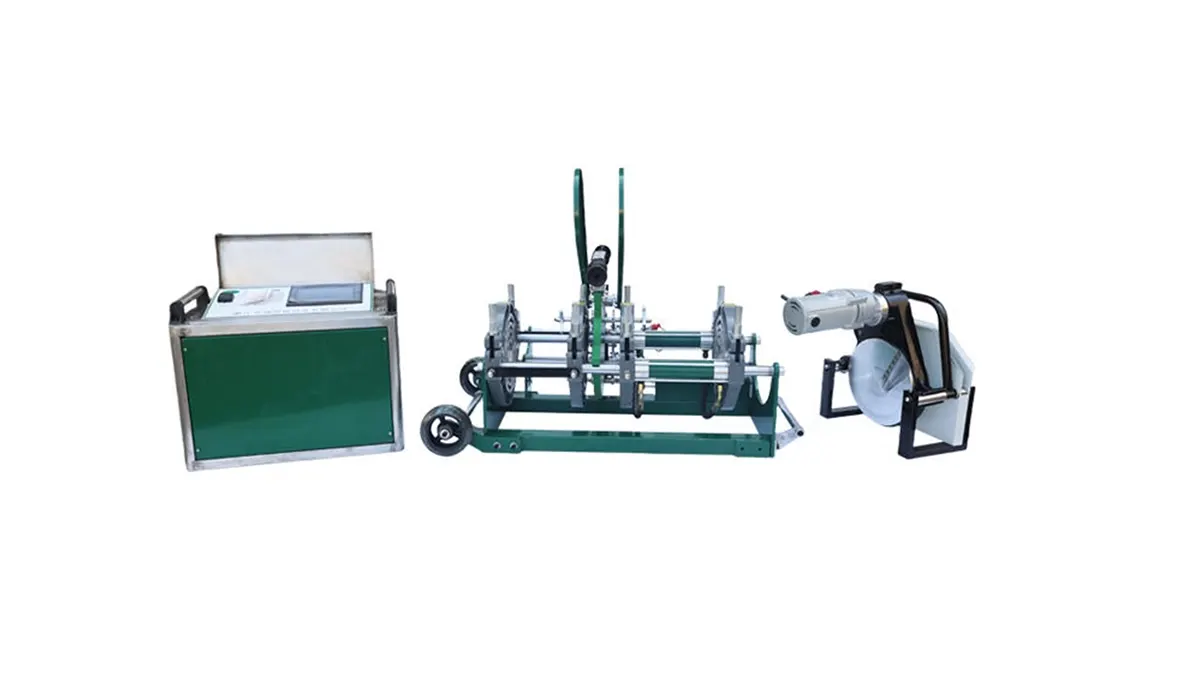
Manual Butt Fusion Machines
Best for small teams and remote locations. They are lightweight, easy to operate, and ideal for repair or short-run installations on distribution networks.
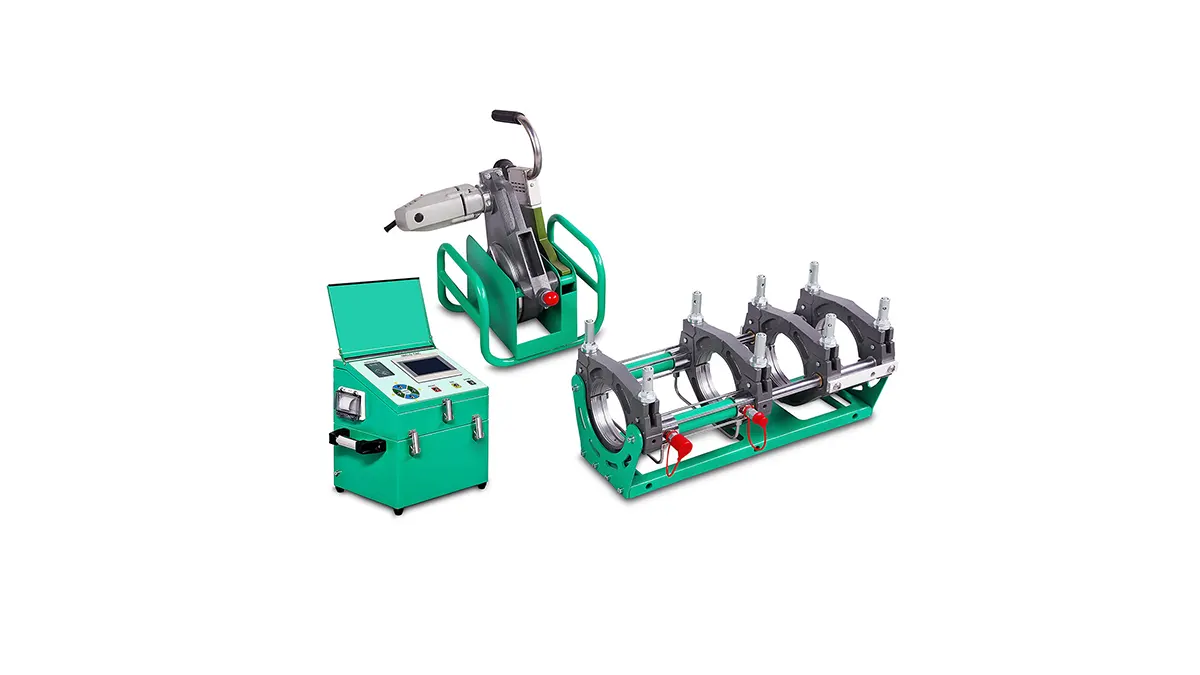
Hydraulic Butt Fusion Machines
Provide greater clamping force and stability for medium to large diameter pipes. They are commonly used in mainline gas transmission and municipal trunk installations where higher consistency is required.
CNC / Automatic Butt Fusion Machines
Designed for high-volume, high-precision jobs. CNC units control the entire welding cycle automatically, offering full repeatability and detailed weld logs—valuable for regulated gas projects.
Quick Product Comparison
| Model | Pipe Range | Type | Best For |
|---|---|---|---|
| Manual Series | 20–160mm | Manual Butt Fusion | Repair, small-scale installs |
| Hydraulic Series | 63–1000mm | Hydraulic Butt Fusion | Mainline, medium-large diameters |
| Automatic / CNC | 63–630mm+ | CNC Automatic Butt Fusion | High-volume, traceable welds |
Key Features to Verify with a Supplier
When evaluating vendors, confirm the following:
- Compliance with regional gas pipeline welding codes and international standards (e.g., ISO, ASTM where applicable).
- Availability of spare parts and service in your region or fast shipping options for critical components.
- Training and technical support to ensure crews can produce qualified welds.
- Clear warranty terms and on-site commissioning assistance for complex machines.
Certifications and Quality Control
Reliable suppliers provide documentation for materials and production quality, calibration certificates for heaters and pressure devices, and typically offer optional welding procedure specifications (WPS) to support contractor qualification.
Selecting the Right Supplier for Gas Distribution Projects
Choose a partner who understands pipeline lifecycle costs and the operational demands of gas networks. Look for a supplier with a broad product range and proven experience supplying equipment for water, gas, mining, and industrial pipelines. Consider long-term service, local/regional responsiveness, and availability of training and digital weld logging.
Practical Onsite Tips
Plan for ground preparation, proper pipe storage to avoid contamination, and routine calibration checks of heating plates and cutters. Consistent operator training dramatically reduces weld defects and rework.
JQ-Fusion is a professional manufacturer specializing in HDPE pipe welding machines, providing manual, hydraulic, and CNC automatic butt fusion machines for a wide range of pipe sizes used in water supply, gas distribution, mining, and industrial pipelines. Learn more at https://jq-fusionwelding.com/.
Next Steps
Request machine specifications, sample weld procedure documents, and a spare parts plan from prospective suppliers. Ask for references from similar gas pipeline projects to verify on-the-ground performance. Investing time in supplier selection ensures safer pipelines and lower lifecycle costs for gas distribution networks.



