
Mexico’s expanding gas distribution networks demand dependable welding equipment built for safety, repeatability, and local working conditions. High-density polyethylene (HDPE) pipelines are widely used for gas mains and service lines across urban centers like Mexico City, Monterrey and Guadalajara as well as rural communities — making the right butt fusion and electrofusion machines essential for contractors, utilities, and pipeline installers.
Reliable Gas Line Welding Solutions for Mexican Pipeline Projects
Gas pipeline projects in Mexico face unique challenges: varied terrain, long rural runs, seasonal weather, and strict regulatory oversight. Choosing the right welding method — manual, hydraulic, automatic butt fusion or electrofusion — affects job speed, joint quality and long-term safety. Operators across municipal gas utilities and private contractors look for machines that meet local installation protocols and Normas Oficiales Mexicanas (NOM) where applicable, while offering robust field performance.
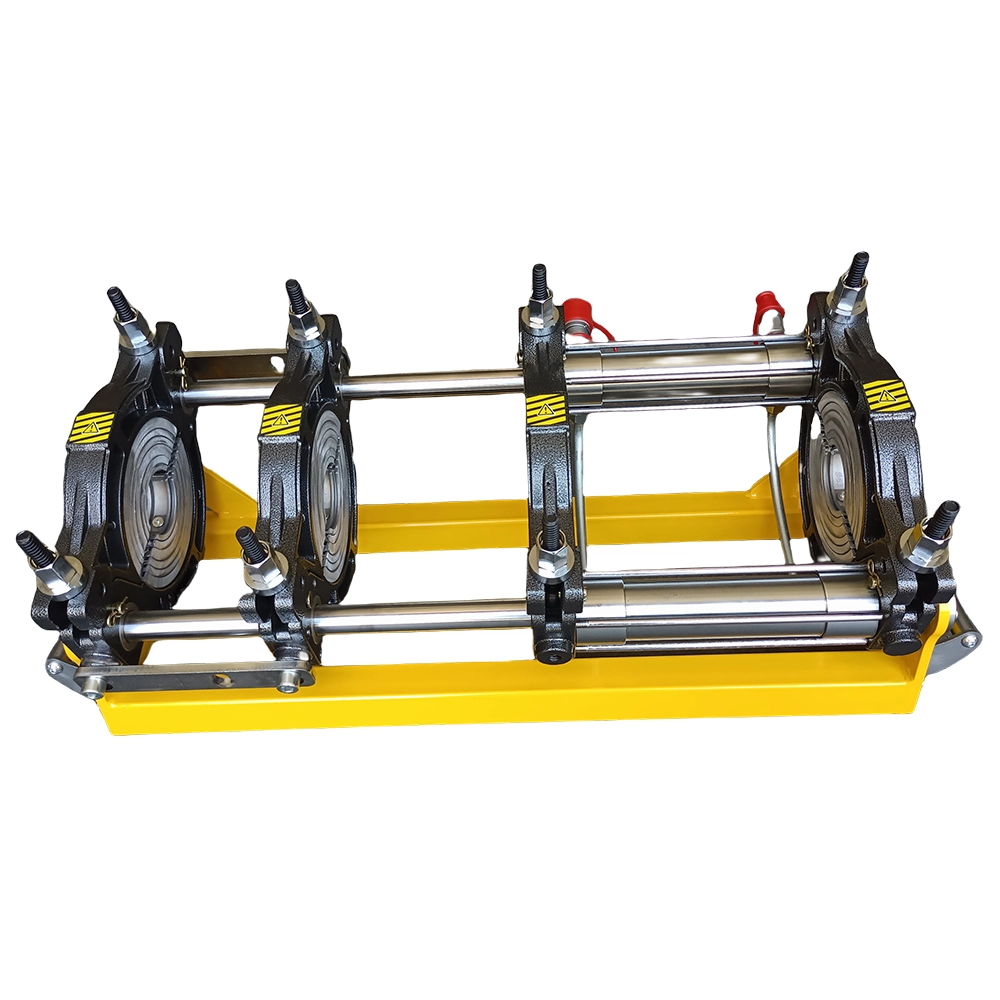
Common Welder Types for Gas Lines
• Manual Butt Fusion — compact and cost-effective for small-diameter service lines and tight access points.
• Hydraulic Butt Fusion — greater clamping force and stability for medium to large diameter mains, preferred for many distribution projects.
• Automatic CNC Butt Fusion — consistent parameters and recorded weld reports for critical mains and large-diameter pipelines where traceability matters.
• Electrofusion Machines — ideal for fittings, repairs and jointing polyethylene fittings with controlled heating cycles.
What Local Contractors Should Prioritize
• Weld quality and repeatability: look for machines with accurate temperature control and consistent alignment systems to minimize rejects.
• Portability and robustness: field crews in Mexico often work in varied environments; lightweight or easily transportable frames speed up mobilization.
• Data logging and traceability: projects with stricter oversight benefit from weld records and digital reports.
• After-sales support and spare parts availability: ensure quick access to replacement clamps, heating plates and hydraulic components.
Quick Technical Comparison
| Welder Type | Diameter Range | Automation | Typical Use |
|---|---|---|---|
| Manual Butt Fusion | 20mm – 315mm | Low | Service connections, repairs |
| Hydraulic Butt Fusion | 63mm – 1250mm+ | Medium | Distribution mains, rural trunklines |
| Automatic/CNC Butt Fusion | 90mm – 2250mm+ | High | Large mains, projects requiring weld records |
| Electrofusion | 20mm – 630mm | Medium | Fittings, repairs, controlled joints |
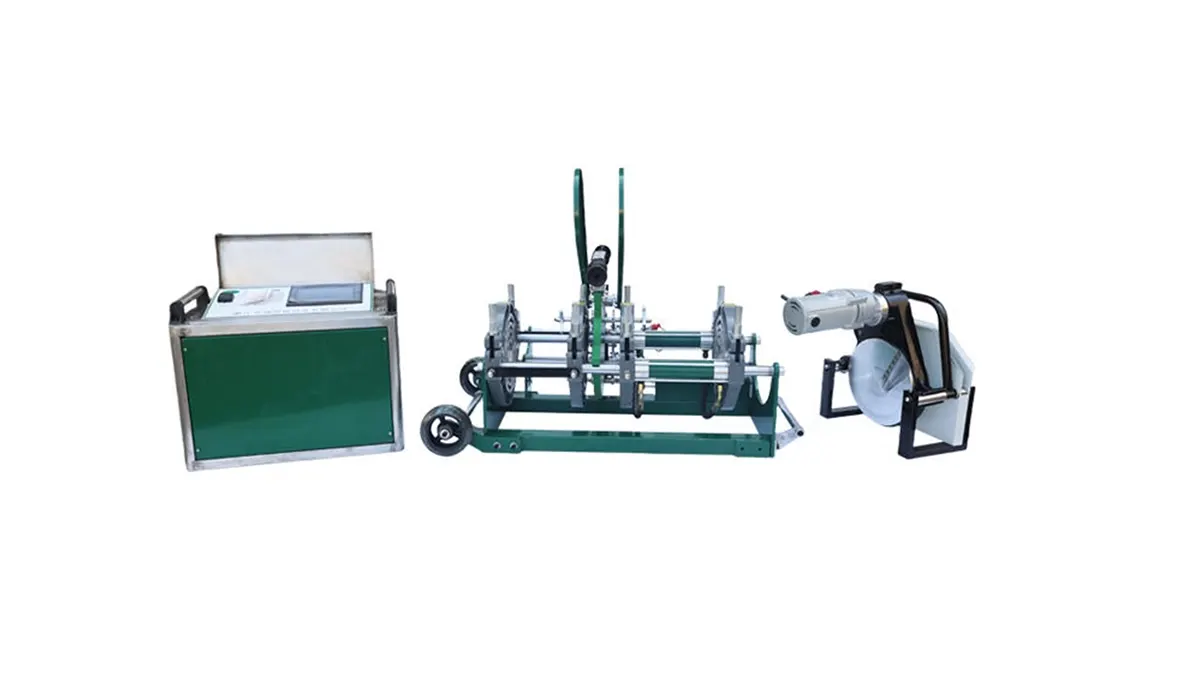
Compliance, Training & Field Service
Mexican projects typically require alignment with national safety and pipeline installation best practices. Investing in operator training for fusion procedures, proper equipment calibration, and quality control reduces rework and safety risks. Field service networks and availability of spare parts play a crucial role in maintaining uptime during long pipeline campaigns across states like Nuevo León, Veracruz or Chiapas.
Practical Buying Tips for Mexico-Based Projects
• Verify warranty and spare parts lead times to avoid long project delays in remote regions.
• Choose machines that can generate weld logs if the project demands traceability for regulatory or investor requirements.
• Assess portability for hillside, desert or congested urban worksites — modular frames and detachable control units help.
• Confirm local technician training or remote support options to speed troubleshooting and maintenance.
For reliable HDPE fusion equipment tailored to global pipeline needs, visit JQ-Fusion at https://jq-fusionwelding.com/ to review product lines, technical support and customization options.



