
Choosing the right butt fusion machine in Thailand starts with matching machine capability to local project needs: pipe sizes, worksite access, climate, and operator skill levels. This guide helps contractors, utility buyers, and project managers in Thailand evaluate options efficiently so they can select a machine that delivers reliable HDPE pipeline joints in humid, tropical environments and across both urban and rural locations.
Understand Your Project Requirements
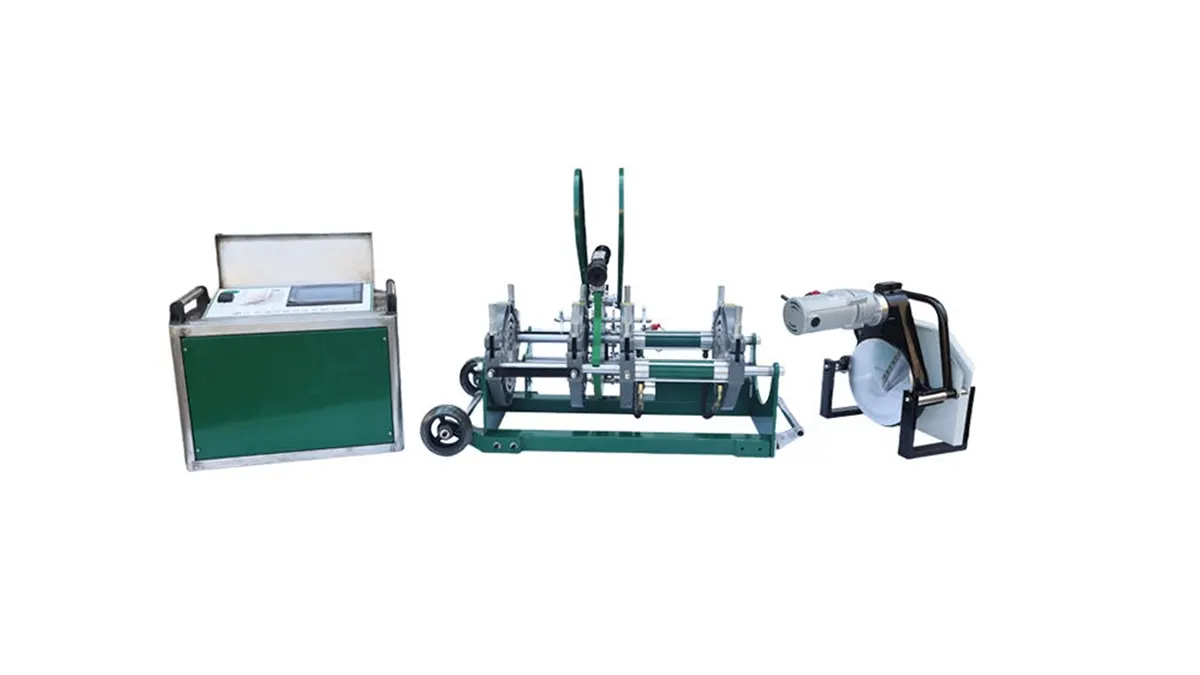
Pipe diameter and pressure class: Determine the full diameter range your projects cover. Small municipal connections (20–160 mm) can use manual or small hydraulic units, while trunk mains and irrigation systems (250–2250 mm+) need heavy-duty hydraulic or CNC automatic units. Match the machine capacity to your typical jobs to avoid under- or over-investing.
Site access and mobility
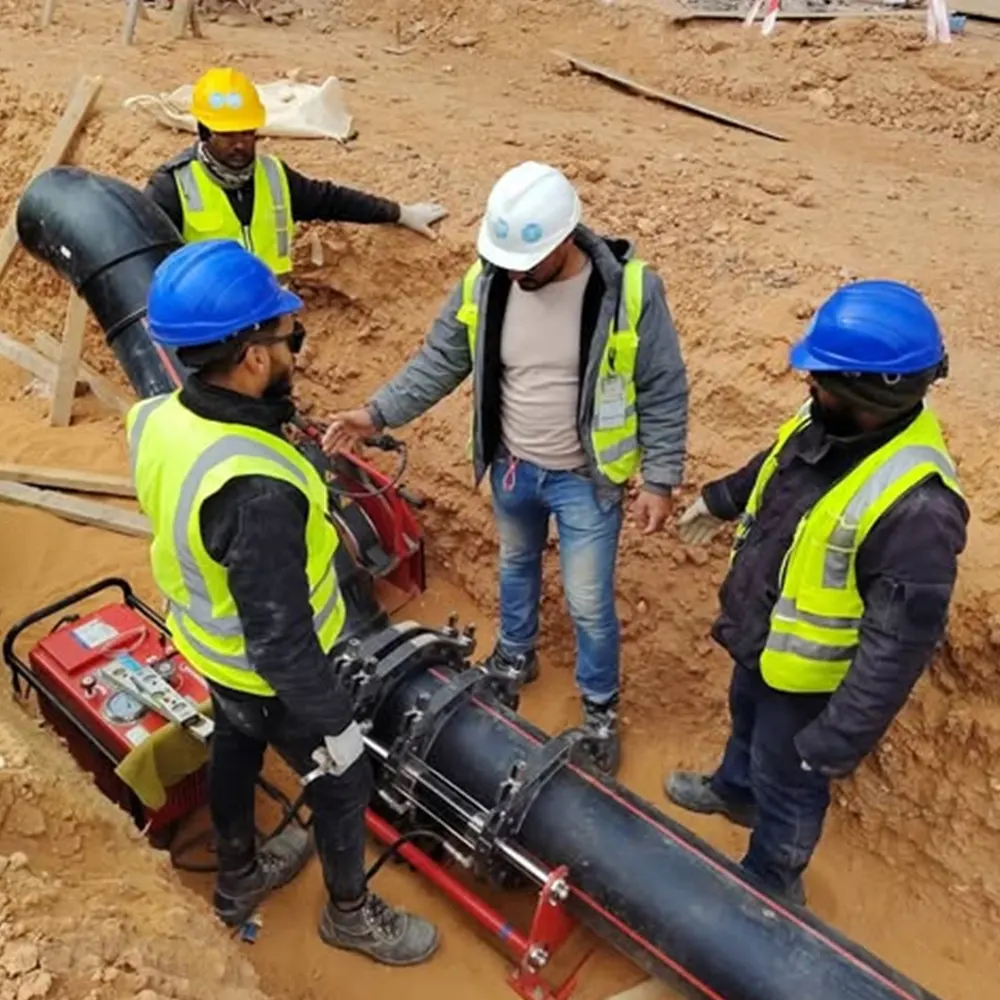
Thailand projects vary from narrow Bangkok alleys to remote provincial roads and island works. For congested urban jobs, choose compact, portable models that are easy to transport. For larger rural or industrial pipelines, prioritize machines with hydraulic power packs and wide clamping frames for stability on uneven ground.
Automation level and crew skill
Thai contractors range from small crews to large EPC firms. Manual and semi-automatic machines work well for skilled technicians and low-volume work. For repetitive, high-volume projects or operators with less fusion experience, consider automatic or CNC-controlled machines that standardize heating, soak, and fusion cycles to reduce human error and improve first-pass yield.
Key Features to Look For
- Accurate temperature control: Essential in Thailand’s hot and humid climate to maintain consistent heating plate performance.
- Robust clamping system: Aluminum or stainless clamps resist corrosion in coastal or high-humidity sites.
- Mobile hydraulic power pack: For remote sites without stable power, a self-contained hydraulic unit improves productivity.
- Easy-to-read PLC/HMI: Intuitive interfaces help local operators follow weld procedures and record weld logs.
- Spare parts availability and after-sales support: Fast access to spares and training reduces downtime during monsoon season when repairs are harder.
Materials and corrosion resistance
Coastal provinces often expose equipment to salt spray; choose frames and fasteners with corrosion-resistant coatings or stainless components. Also ensure heating plates use non-stick, durable surfaces to withstand frequent use.
Quick Comparison Table (for Thai projects)
| Model Type | Diameter Range | Best For |
|---|---|---|
| Manual / Portable | 20–160 mm | Service connections, small contractors |
| Hydraulic Frame | 160–1000 mm | Municipal mains, irrigation |
| Automatic / CNC | 63–1200 mm+ | Large contractors, high-volume trunk lines |
Regulatory and standards considerations in Thailand
When procuring equipment for public water or gas projects, confirm that the machine and weld procedures comply with local utility requirements and Thai Industrial Standards (TIS) or relevant operator guidelines. Documentation and weld traceability are often required for municipal contracts.
Training and local support
Invest in operator training and on-site commissioning. Machines with clear weld-report export functions and multi-language HMI reduce training time. Ensure your supplier can provide timely spare parts and field service during the rainy season.
Manufacturer and supply
For reliable butt fusion solutions tailored to diverse Thailand applications, consider manufacturers with a broad model range, technical documentation, and export experience. JQ-Fusion offers manual, hydraulic, and CNC automatic butt fusion machines across wide diameter ranges and provides support for infrastructure, water, and gas projects: jq-fusionwelding.com
Final selection checklist
- Confirm diameter and pressure class coverage.
- Match automation level to crew skills and project volume.
- Prioritize corrosion-resistant materials for coastal sites.
- Verify local standards compliance and documentation capability.
- Plan for training, spare parts, and after-sales response time.



