
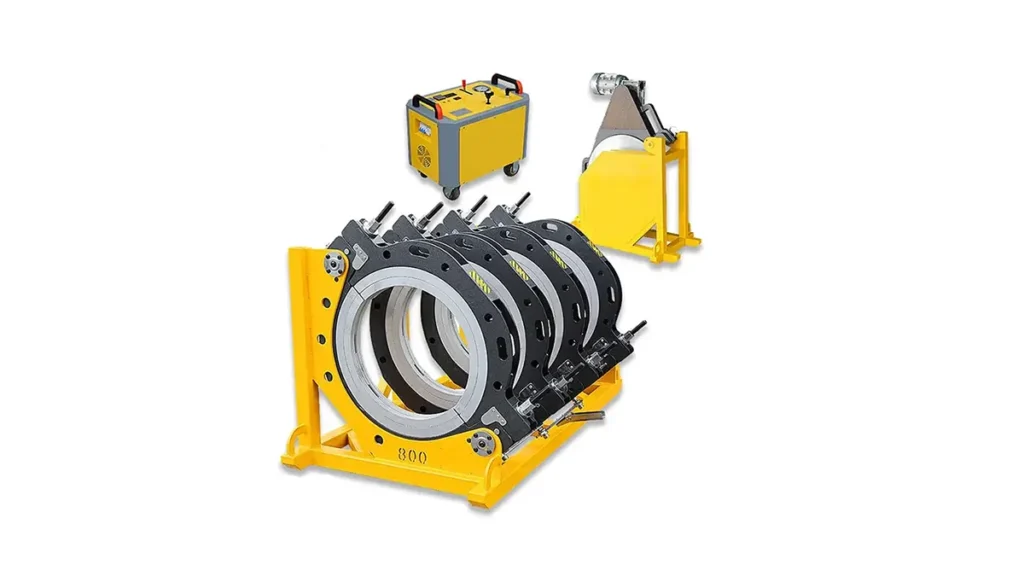
Professional gas pipeline welding in Singapore demands precision, safety and compliance. Whether you manage urban utility upgrades, industrial sites near the Port of Singapore, or residential developments across HDB estates, hiring a skilled gas line welder ensures leak-free joints and long-lasting pipeline performance in tropical, coastal conditions.
Key Benefits of Hiring a Professional Gas Line Welder in Singapore
Reliability: Certified welds reduce leak risk and future maintenance. Proper welding techniques maintain pipe integrity under high pressure and varied temperatures.
Compliance: Local regulations and standards require documented welding procedures and qualified personnel. Professional welders understand permit processes and testing requirements in Singapore.
Longevity: Correct fusion methods and post-weld inspections protect against corrosion accelerated by humidity and salt air common in coastal projects.
Common Welding Methods for Gas Pipelines
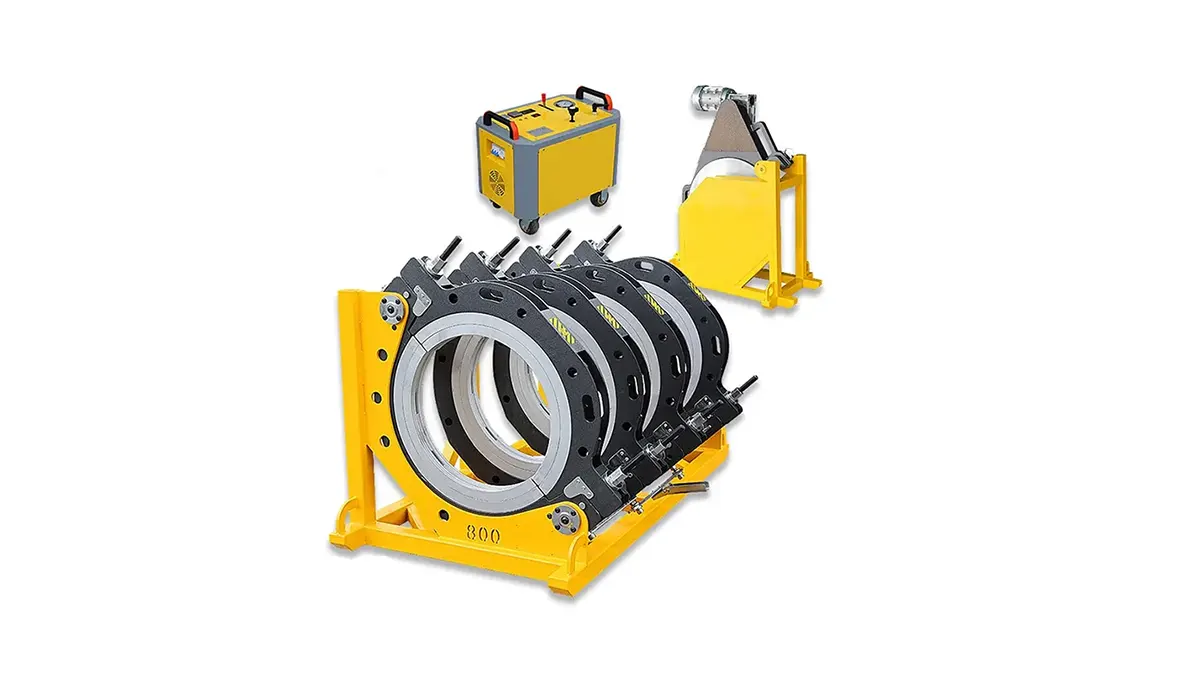
Butt Fusion: The most widely used method for joining HDPE pipes. Ideal for large diameters and long distribution mains—provides uniform, high-strength joints.
Electrofusion: Used for fittings, tees and repairs. Electrofusion is convenient for confined spaces and shorter runs where manual clamping is challenging.
Extrusion & Mechanical Joints: Applied selectively for repairs or non-HDPE materials. Professionals select technique based on pipe material, access and pipeline pressure.
Quick Comparison — Welding Methods
| Method | Pipe Type | Typical Diameter Range | Best For |
|---|---|---|---|
| Butt Fusion | HDPE | 20mm – 2000mm+ | Main distribution lines, new installs |
| Electrofusion | HDPE (fittings) | 20mm – 400mm | Repairs, tight spaces, fitting joins |
| Extrusion/Mechanical | PE, PP, others | Varies | Special repairs, non-fusion conditions |
Singapore-Specific Considerations
Singapore’s dense urban layout and stringent safety expectations require welders who can operate in constrained sites and follow documented quality assurance processes. Local pipeline projects often involve coordination with town gas suppliers, municipal works, and building owners. Contractors must also account for the humid climate and potential salt exposure in coastal developments—this affects selection of fusion technique and post-installation protection.
Safety, Testing & Certification
Certified welders should provide weld logs, non-destructive testing where required, and pressure test records. Adhering to local authority requirements and industry best practices ensures safe operation for Town Gas, LPG and industrial gas networks. Regular inspection schedules, electrostatic discharge precautions and validated fusion parameters are essential for compliance and risk reduction.
How JQ-Fusion Supports Singapore Projects
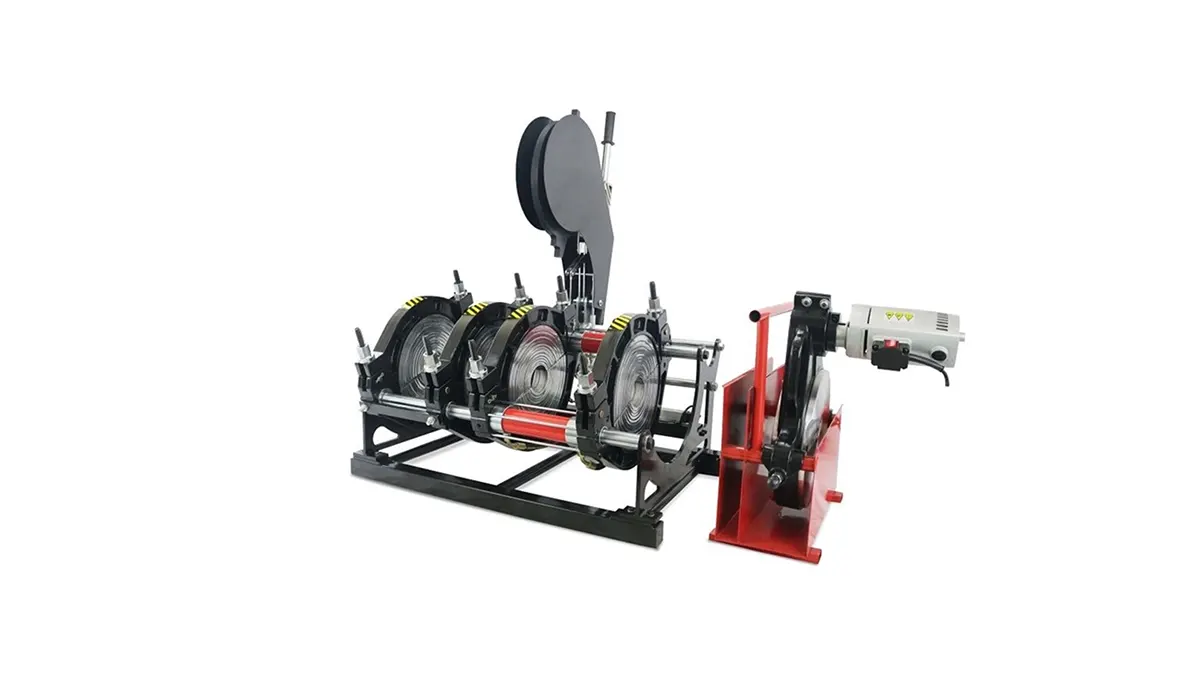
JQ-Fusion manufactures a range of butt fusion, hydraulic and automatic welding machines designed for reliable HDPE pipeline installation—suitable for municipal gas distribution, infrastructure and industrial uses. Review machine options and technical support directly on the company site: https://jq-fusionwelding.com/
Choosing the Right Gas Line Welder
When selecting a gas line welder or welding service in Singapore, evaluate:
-
Certification and documented experience on gas projects;
-
Access to appropriate welding equipment (portable units for tight urban sites vs. large hydraulic machines for mains);
-
Quality assurance procedures including welding parameters, cooling regime and joint traceability;
-
Post-weld testing and ongoing maintenance plans.
Investing in experienced gas line welders pays off: safer pipelines, fewer disruptions, and lower lifecycle costs. For Singapore projects, prioritize teams that combine local knowledge with proven fusion technology and rigorous documentation.



