
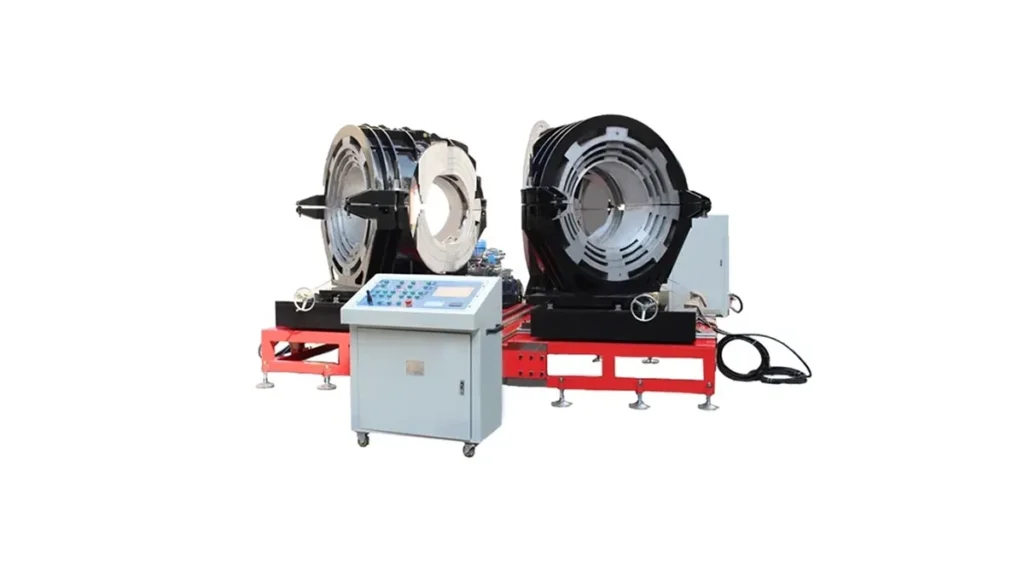
Choosing the right engineering pipe hot melt welding machine requires balancing upfront price, long-term operating costs, and the specific needs of your pipeline projects. This guide breaks down the factors that influence price, practical comparisons, and a checklist to help you pick the best option for durability, efficiency, and ROI.
Why Hot Melt Welding Machine Prices Vary
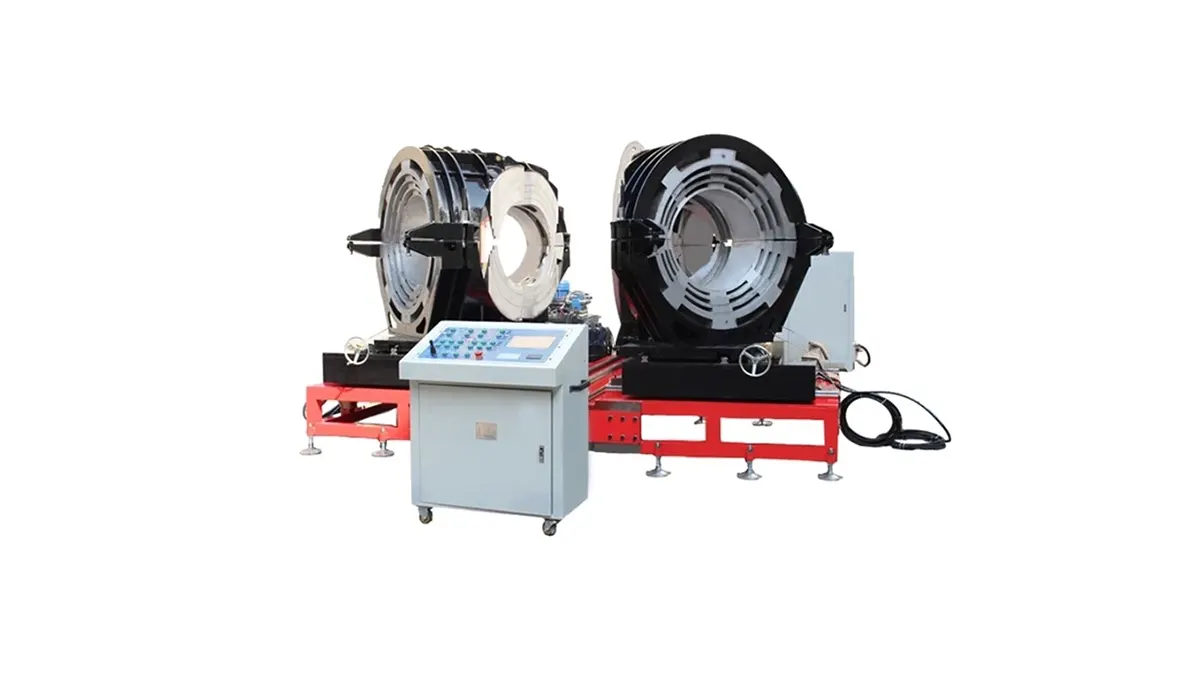
Price differences come from machine type, automation level, build materials, sensor/control systems, and included accessories. Field-ready hydraulic machines with hardened clamps and remote control systems command higher prices than simple manual units. Warranty, spare parts availability, and factory testing also add to cost.
Key Cost Drivers
Consider these elements when you compare quotes:
- Automation & Controls: CNC controllers and data-logging increase precision and price.
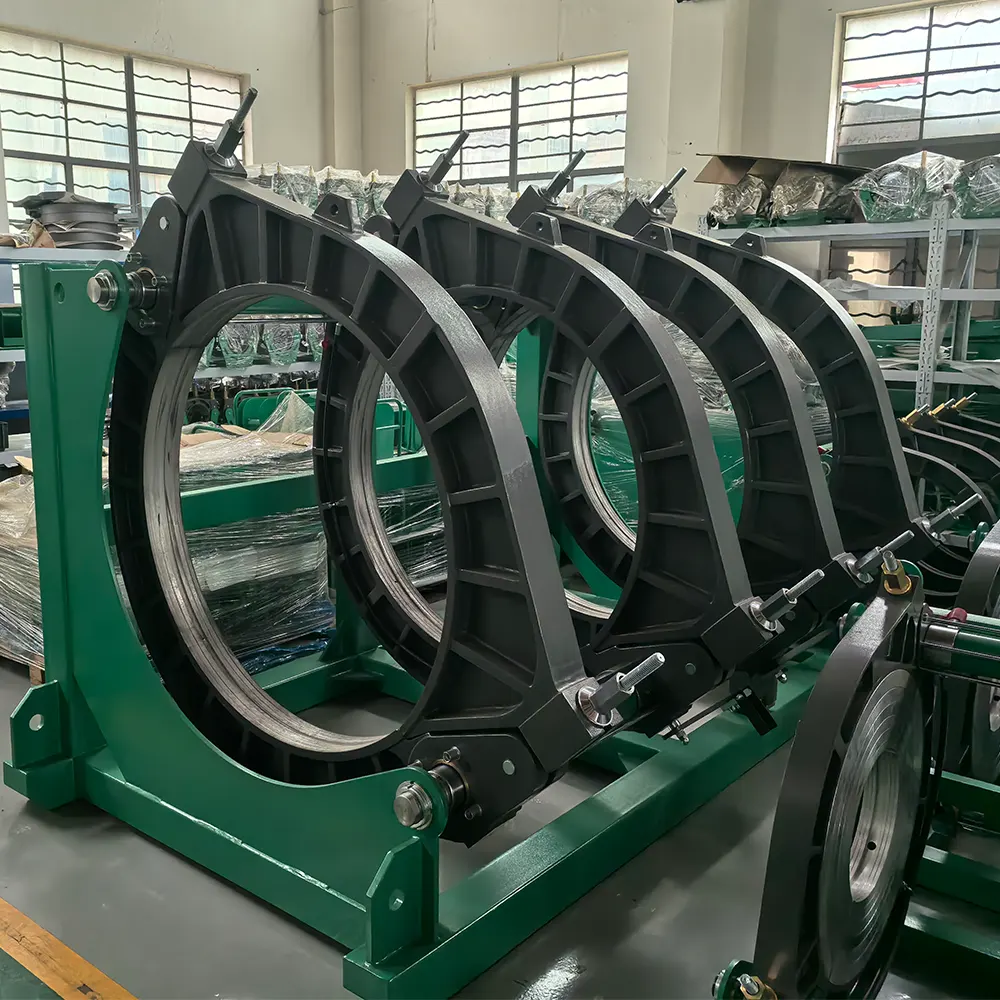
- Clamping & Frame Quality: Aluminum vs. steel clamps, frame rigidity for large diameters.
- Heating Plate & Trimmer Tools: Replacement cost and heating uniformity affect long-term value.
- Accessories & Calibration: Carriage trolleys, fusion logs, transport cases add to initial package cost.
Types of Machines and Typical Price Ranges
Below are common categories with price guidance. Prices vary by market and specification; use these as starting points for budgeting.
| Machine Type | Typical Price (USD) | Pipe Range | Best For |
|---|---|---|---|
| Manual Butt Fusion | $800 – $4,000 | 20mm – 630mm | Small crews, tight budgets |
| Hydraulic Butt Fusion | $5,000 – $40,000 | 63mm – 1600mm+ | Medium to large pipelines, stable field use |
| Automatic / CNC Machines | $20,000 – $150,000+ | 80mm – 2250mm | High-precision projects, contractors scaling operations |
Total Cost of Ownership (TCO) Factors
Beyond purchase price, include consumables, training, repair turnaround, and fuel/energy. A higher initial investment in a rugged automatic machine can pay off through faster cycle times, less rework, and traceable fusion logs.
Buying Checklist — What to Verify Before You Buy
Essential checks:
- Certification and testing records for fusion quality (ISO, relevant local standards).
- Availability of spare parts and trained service in your region.
- Warranty terms and whether calibration is included.
- Transport and packing for overseas shipping if required.
- User interface language and training resources for operators.
Quick Tips for Negotiating Price
Bundle accessories, ask about refurbished units or demo machines, and request multi-unit discounts if you plan fleet purchases. Clarify lead time and included on-site commissioning to avoid surprise costs.
Common FAQs
How long does a machine typically last? With proper maintenance, robust hydraulic and automatic machines last 8–15 years in heavy use. Manual units can last longer if parts are replaced.
Is automation worth the cost? For high-volume projects or where traceability is required, automation often reduces labor and rejects, providing a faster payback despite higher upfront cost.
For personalized quotes and machine configuration advice, contact JQ-Fusion at https://jq-fusionwelding.com/.



