
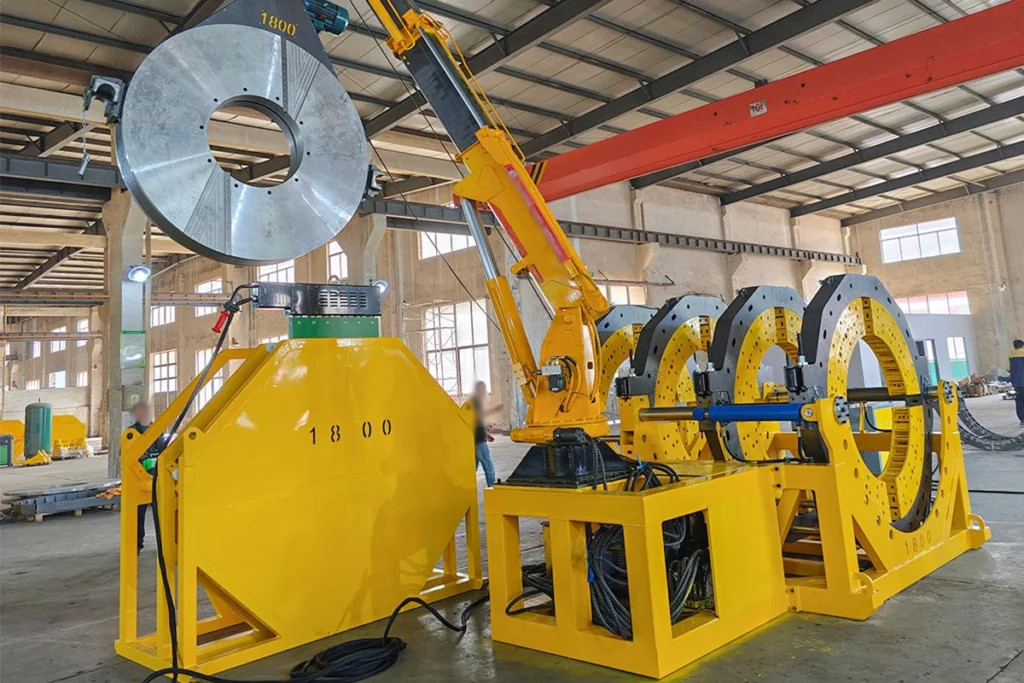
Reliable pipeline welding is essential for safe gas distribution in Iceland’s unique environment. Local utilities, contractors, and industrial operators need gas line welding solutions that withstand coastal salt, cold weather, and geological activity while meeting European safety standards. This page explains professional gas line welding services, common techniques for HDPE and PE gas pipelines, and practical considerations for installations across Iceland.
Why Professional Gas Line Welding Matters in Iceland
Safety and leak prevention are the top priorities when installing gas pipelines. Proper welding reduces the risk of leaks that could affect communities from Reykjavík to remote Westfjords settlements. In Iceland, weld quality must account for low temperatures, strong winds, and coastal corrosion—conditions that demand experienced welders and certified equipment.
Skilled welders follow documented welding procedure specifications (WPS) and perform destructive and non-destructive tests to confirm joint integrity. For municipal and industrial gas networks, certified welding logs and traceable records are also required to satisfy regulators and insurers.
Core Pipeline Welding Services
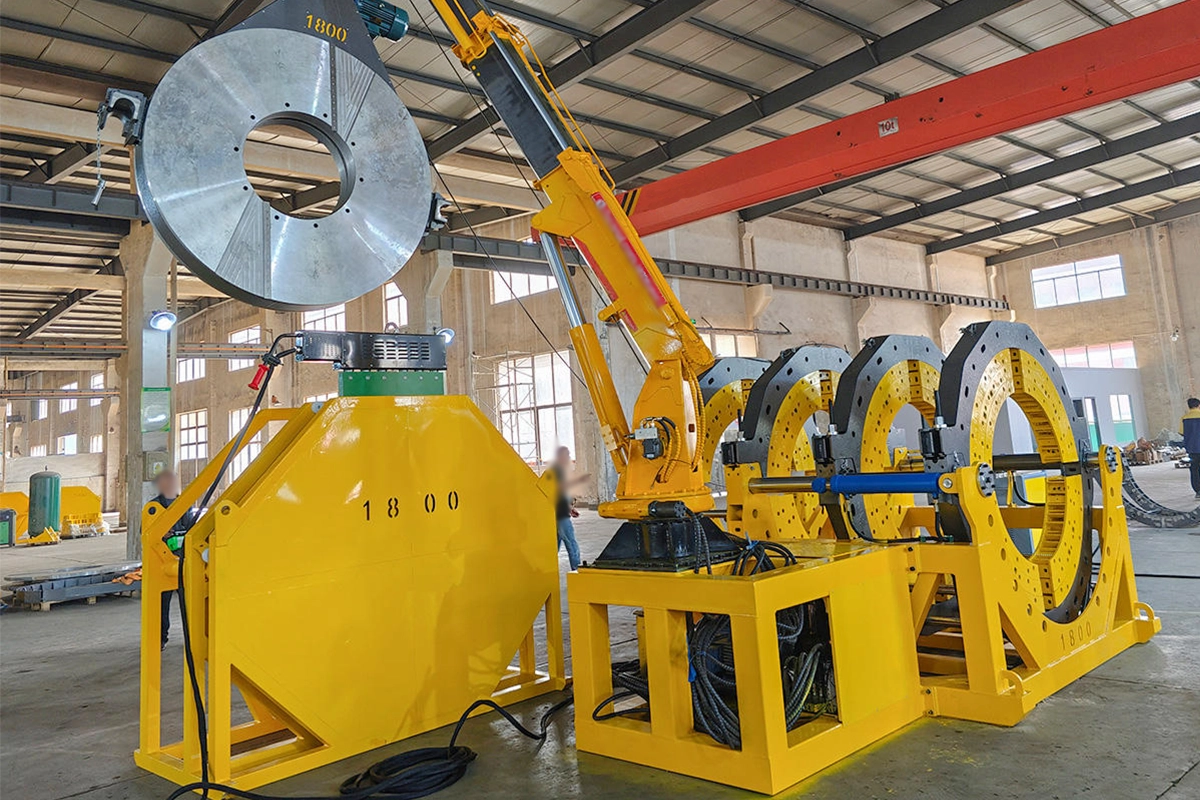
Professional gas line welding providers in Iceland typically offer a full suite of services to ensure safe installations and long-term performance:
- Butt fusion welding for HDPE/PE pipes — the preferred method for long, continuous gas mains.
- Electrofusion welding for fittings, service tees, and repair joints.
- On-site welding inspection, weld documentation, and pressure testing.
- Mobile welding units and trained crews for remote fjords, farms, and island communities.
- Operator training and certification to maintain consistent weld quality across projects.
Standards, Safety & Environment
Gas pipeline projects in Iceland should comply with applicable European and international standards (EN, ISO) and local regulations. Key safety elements include qualified welders, calibrated fusion machines, pre-weld material checks, and documented pressure testing. Environmental considerations include minimizing disturbance in sensitive areas, coastal corrosion protection, and ensuring joints perform under freeze-thaw cycles and geothermal influence where relevant.
Service Comparison Table
| Service | Typical Pipe Material | Recommended Equipment |
|---|---|---|
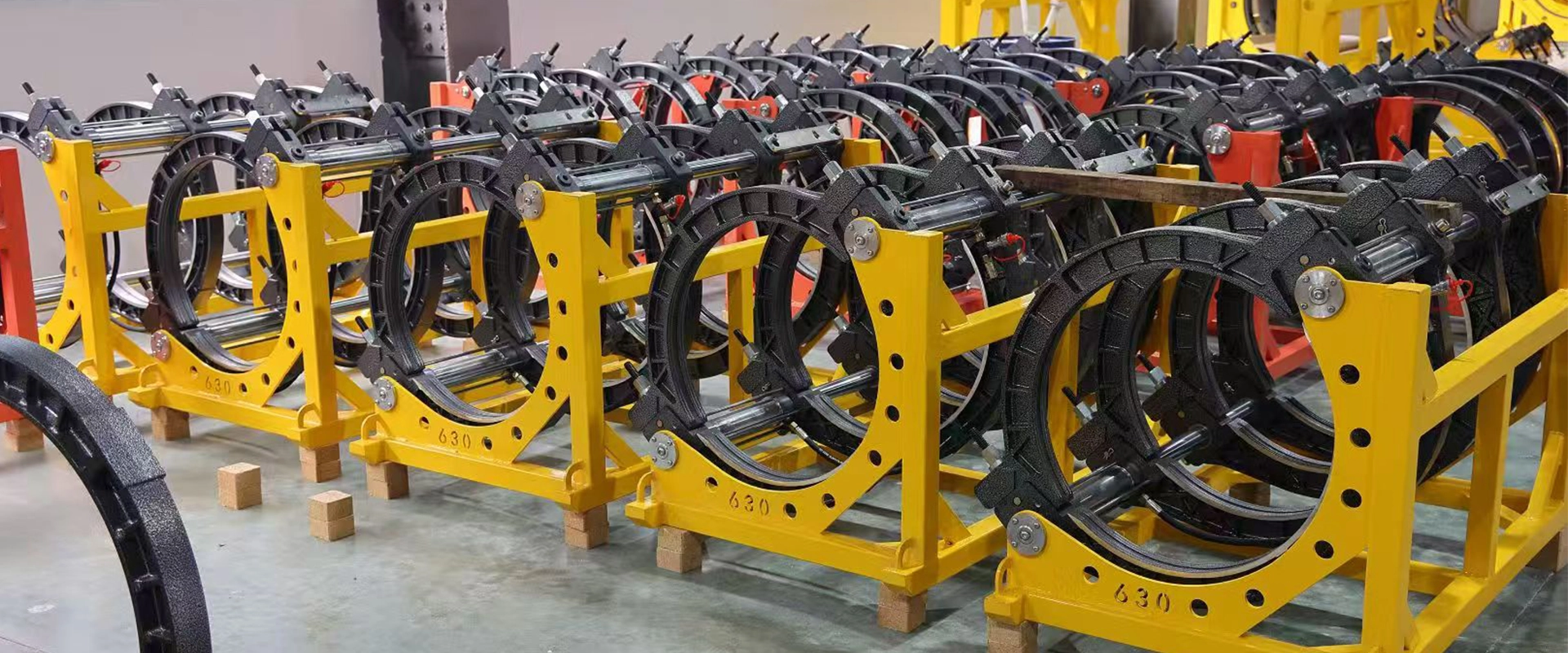
| Long-distance gas mains | HDPE/PE 63–1200mm | Hydraulic/automatic butt fusion machines |
| Service connections & fittings | PE, HDPE | Electrofusion units & manual fusion tools |
| Repairs & emergency welding | PE/HDPE | Mobile butt fusion frames & portable trimmers |
Typical Projects in Iceland
Gas line welding work in Iceland spans a range of project types:
- Urban distribution networks serving apartments, businesses, and municipal facilities around Reykjavík and Akureyri.
- Industrial and harbor pipelines supporting fish processing, energy plants, and port infrastructure where corrosion and marine exposure are concerns.
- Remote rural and geothermal-adjacent installations requiring mobile crews and robust welds to cope with ground movement and access constraints.
Choosing the Right Welding Approach
Selecting between manual, hydraulic, and automatic butt fusion depends on pipe size, project duration, and required traceability. For large-diameter HDPE mains, hydraulic or CNC automatic machines deliver consistent, documented weld cycles. For service lines and repairs, compact manual or portable solutions combined with electrofusion for fittings are common. Proper operator training and calibrated equipment ensure weld repeatability and compliance.
Inspection & Quality Assurance
Routine QA includes visual inspection, weld bead measurement, peel tests when applicable, and pressure testing (hydrostatic). Detailed weld logs, time-stamped parameters, and photographic records help clients and authorities verify compliance. In seismic or thermally active zones, additional monitoring and flexible design details may be recommended.
Local Considerations for Icelandic Projects
Iceland’s dispersed population and rugged terrain mean contractors often require fast mobilization and compact fusion equipment for roadside or fjord-side work. Corrosion-resistant design, protection against salt spray, and attention to thermal expansion are particularly important for coastal and harbor pipelines. Collaboration with municipal planners ensures routing avoids sensitive geothermal fields and respects local environmental protections.
About the Manufacturer
JQ-Fusion is a professional manufacturer specializing in HDPE pipe welding machines, offering manual, hydraulic, and CNC automatic butt fusion solutions for a wide range of pipe sizes. Their machines support water supply, gas distribution, mining, and industrial pipeline systems with durable, customizable equipment and global service support.
Need help specifying equipment or planning a gas pipeline project in Iceland? Choose certified welders, calibrated fusion machines, and documented QA to protect people and assets. For procurement and technical support, reference reputable HDPE welding machine suppliers and insist on on-site training and traceable weld records.



