
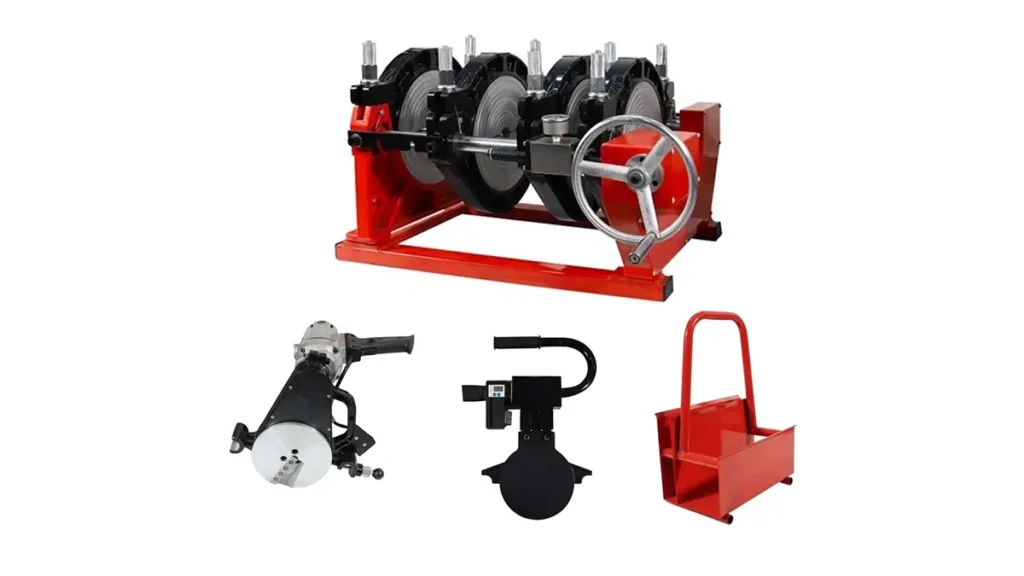
Reliable butt fusion welding solutions are essential for HDPE pipeline projects across Egypt — from municipal water networks in Cairo to irrigation systems in the Nile Delta and gas distribution in Suez. Contractors, utility engineers, and construction managers need machines that withstand hot, dusty environments while delivering consistent, high-strength joints for long-term performance.
Why Butt Fusion Is the Preferred Method for HDPE Pipe Welding in Egypt
Butt fusion creates seamless, homogenous joints by heating pipe ends and pressing them together under controlled pressure. This method delivers leak-free, corrosion-resistant connections that are ideal for Egypt’s expanding water, wastewater, irrigation and energy infrastructure. The technique reduces maintenance costs and meets international pipeline standards when performed with quality equipment and correct process control.
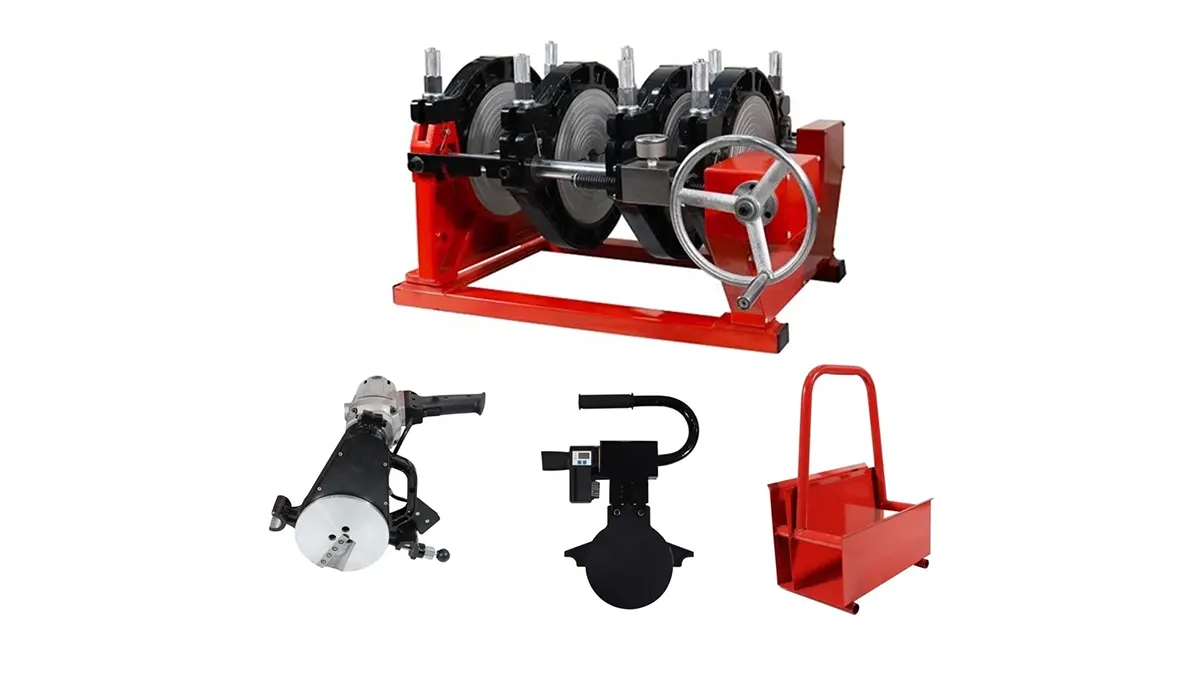
Machine Types — Match the Equipment to Your Project
Manual Butt Fusion Machines
Simple, portable and budget-friendly. Best for rural irrigation networks, repair crews, and smaller-diameter pipes commonly used in local utilities. Easy to operate by trained technicians on site.
Hydraulic Butt Fusion Machines
Provide controlled pressure and repeatable results for medium to large-diameter pipes. Ideal for contractors working on municipal water mains, industrial plants, and gas distribution where consistency and speed matter.
Automatic / CNC Butt Fusion Machines
Offer programmable welding cycles, data recording and high throughput for large projects and fabrications. Well suited for EPC contractors and pre-fabrication yards supplying pipelines to national programs or export markets.
Quick Comparison — Common Models for Egyptian Applications
| Model | Pipe Diameter Range | Type | Key Feature |
|---|---|---|---|
| JQ Manual 2M | 20–160 mm | Manual | Lightweight, field-repair friendly |
| JQ Hydraulic 160–800 | 160–800 mm | Hydraulic | Stable pressure control for mains |
| JQ Automatic 250–630 | 250–630 mm | CNC Automatic | Programmable cycle & weld data logging |
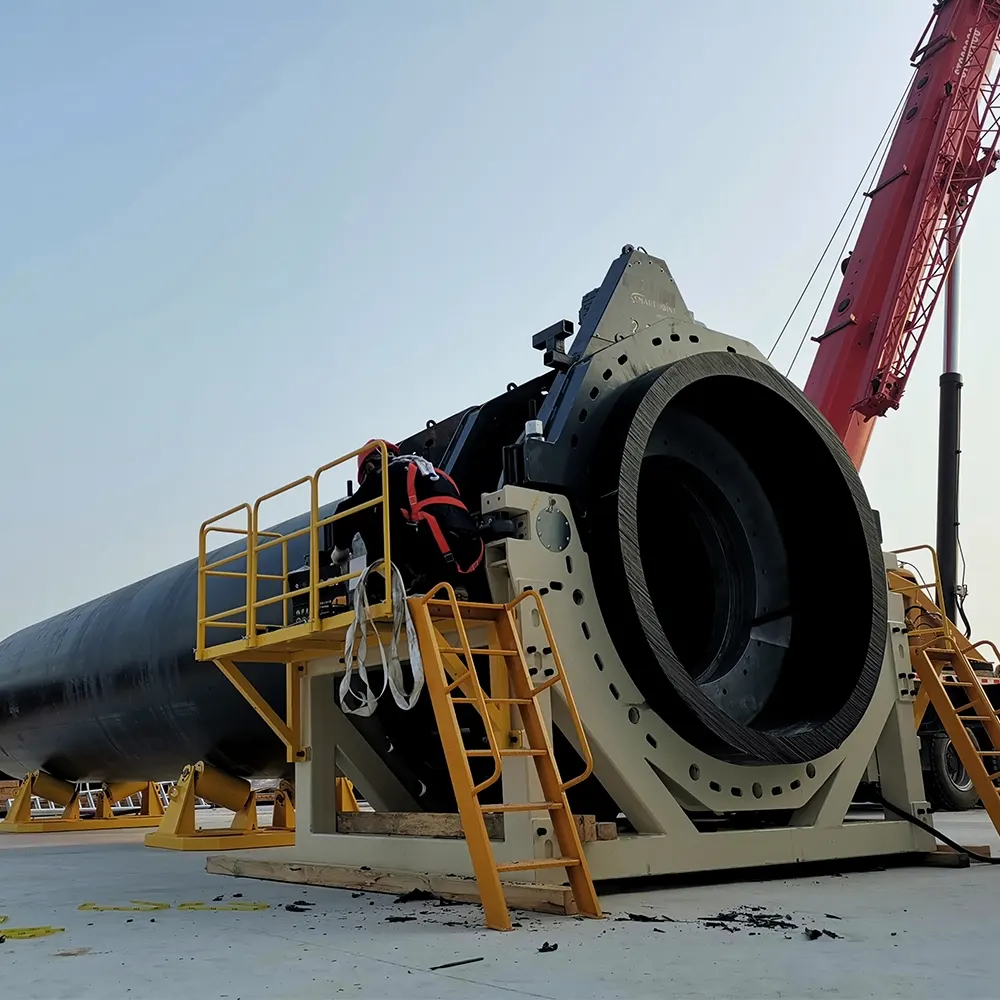
How to Choose the Right Butt Fusion Machine in Egypt
1. Project Scale: Small municipal repairs or farm irrigation — choose manual. Long transmission mains or gas lines — hydraulic or automatic.
2. Pipe Diameter Range: Verify the machine’s clamping range matches HDPE sizes used locally (commonly 110mm–630mm for many projects).
3. Environmental Durability: Egypt’s heat and dust demand robust cooling, sealed controls and protective covers for sensitive electronics.
4. Certification & Traceability: Ensure machines can produce weld records and comply with international HDPE welding standards for project acceptance.
Maintenance Tips and Local Considerations
Daily cleaning to remove sand and grit, periodic calibration of pressure and heaters, and storing heating plates in shaded areas prolong service life. For coastal or desert projects, consider additional corrosion protection and dust seals for hydraulics and electronics.
After-Sales Support & Spare Parts
Fast access to spare heater plates, PTFE covers, cutting tools and hydraulic seals reduces downtime on Egyptian job sites. Choose suppliers that offer training for weld operators and remote technical support where needed.
Common Applications in Egypt
Urban water supply upgrades, rural irrigation networks, industrial process lines, gas distribution pipelines and mining water management. Butt fusion machines deliver reliable joints across all these sectors.
Frequently Asked Questions
Q: Can machines operate in high ambient temperatures? A: Yes — select models with reinforced cooling and heat-resistant electronic modules.
Q: Is operator training necessary? A: Proper training ensures weld quality and compliance with standards — always include certified training for crews.
For tailored advice, model availability and shipping to Egyptian ports, contact JQ-Fusion: https://jq-fusionwelding.com/



