
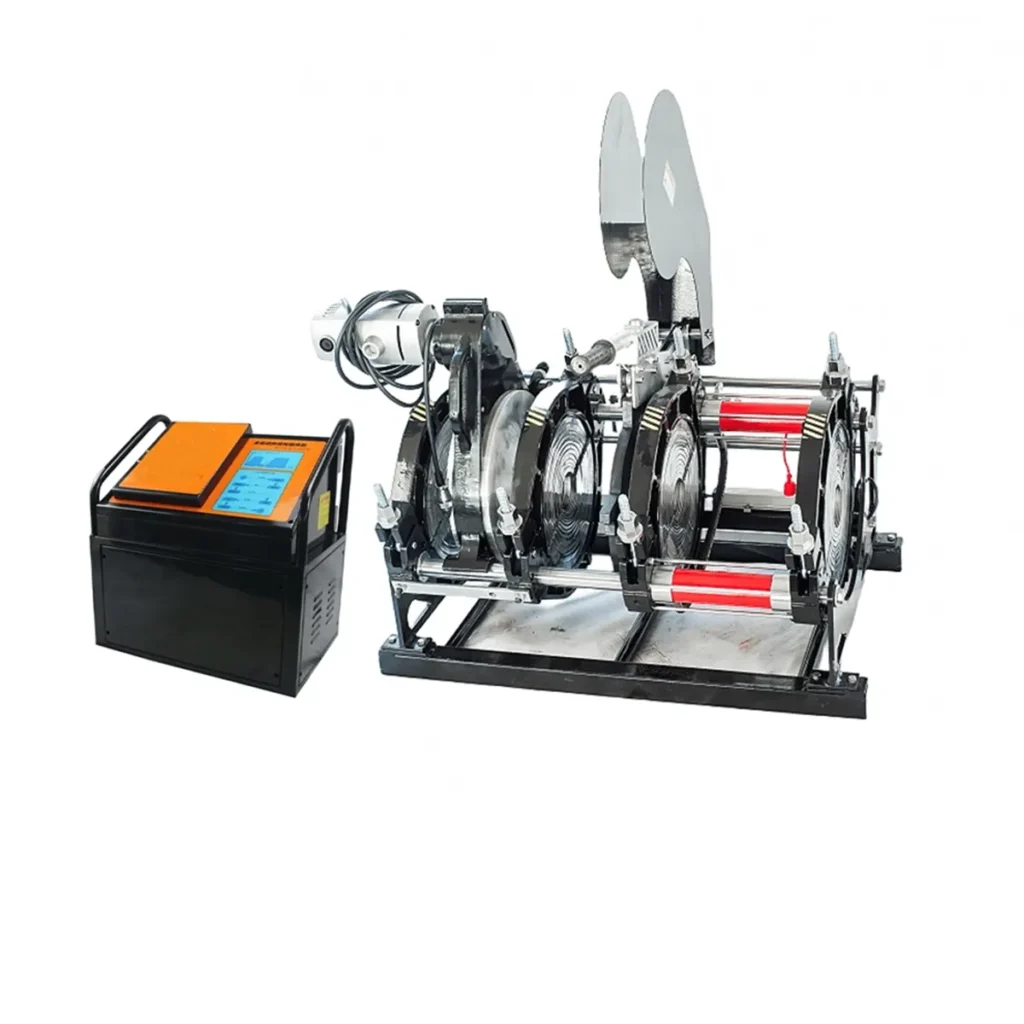
Reliable fusion welding machines are the backbone of modern HDPE and thermoplastic pipeline projects. Choosing the right equipment improves weld quality, reduces rework, and keeps schedules on track for water, gas, mining, and industrial pipeline installations.
Why Quality Matters for Fusion Welding
Consistent joint strength and repeatable process control are essential in infrastructure work. High-performance butt fusion and electrofusion equipment deliver uniform heating, accurate alignment, and controlled pressure, resulting in long-lasting, leak-free pipelines. Investing in a trusted machine reduces site downtime, improves safety, and protects capital projects from costly failures.
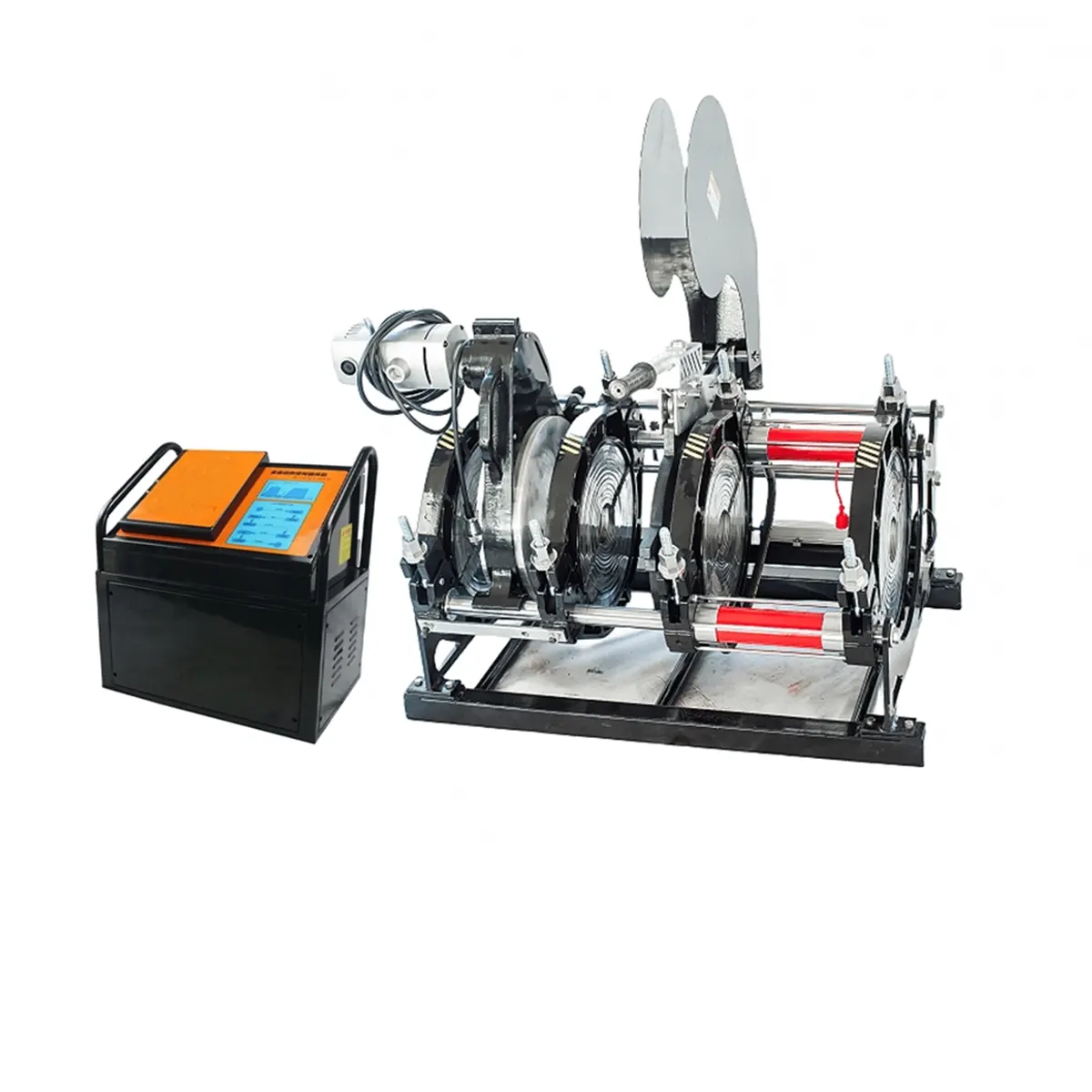
Core Fusion Machine Types
Manual Butt Fusion Machines: Cost-effective and portable for small jobs and remote locations.
Hydraulic Butt Fusion Machines: Higher clamping force and stability for medium to large diameter pipes.
CNC Automatic Butt Fusion Machines: Precise programmable cycles, ideal for repetitive large projects and critical pipelines.
Electrofusion Machines: Controlled current heating for fittings and repair work where fusion plates aren’t applicable.
Multi-angle & Fitting Welding Machines: Specialized units for complex fittings and branch connections used in industrial and municipal systems.
Key Applications
Water supply & sewage: Long-distance mains and local distribution networks.
Gas distribution: Low-permeability, high-integrity joints for urban and rural gas lines.
Mining & industrial: Abrasion-resistant piping, chemical transfer, and slurry lines.
Utility & telecom ducts: Protective conduits that require reliable continuous joints.
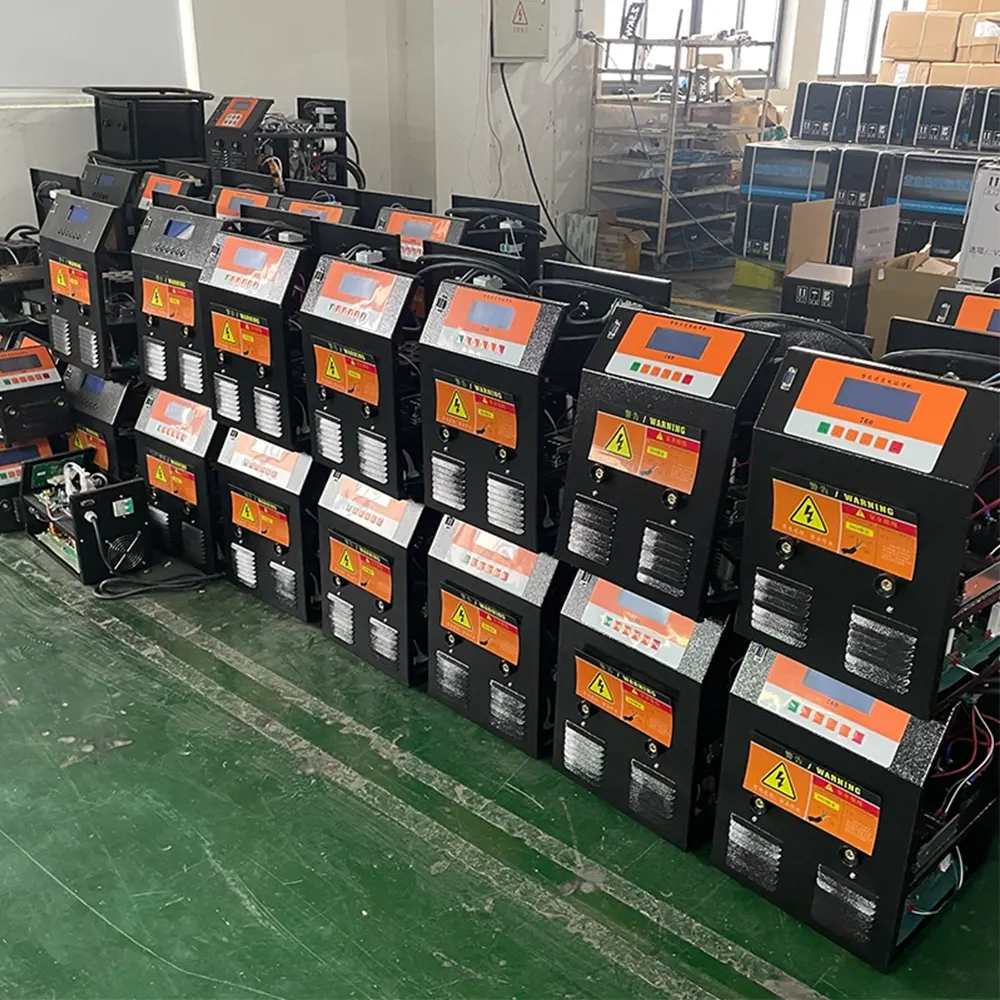
Model Comparison at a Glance
| Model | Type | Pipe Range | Control |
|---|---|---|---|
| JQA160 / JQA250 | Automatic Butt Fusion | 160–250 mm | Programmable CNC |
| JQH450 / JQH630 | Hydraulic Butt Fusion | 315–630 mm | Manual + Pressure Gauge |
| Electrofusion Series | Electrofusion | Fittings Ø20–630 mm | Digital Current Control |
| Large-Diameter Hydraulic | Hydraulic / H-Frame | 800–2250 mm | Heavy-duty Hydraulic |
How to Choose the Right Fusion Welding Machine
Project scale: Small repair jobs may only need a manual or electrofusion unit; large pipeline projects benefit from CNC automatic or heavy hydraulic systems.
Pipe material & SDR: Confirm compatibility with HDPE, MDPE, or PP and check SDR (wall thickness) limits for heating and pressure settings.
Portability vs. Power: For remote sites choose lightweight manual units; for long runs or factory use prefer automated systems with higher throughput.
Certification & Standards: Ensure machines support industry welding procedures (ISO, ASTM, or regional standards) and produce traceable weld records when required.
On-Site Efficiency & Safety
Modern machines include safety interlocks, real-time monitoring, and easy-to-follow welding cycles that reduce operator error. Portable power options and modular clamps speed setup, while automated profiles keep thermal exposure and pressure within certified ranges.
Service, Training & Long-Term Value
Reliable suppliers back equipment with spare parts, calibration, and operator training. Regular maintenance and documented weld logs extend machine life and protect project warranties. Consider vendors that offer tailored commissioning and remote technical support to minimize downtime on critical projects.
For professional HDPE and butt fusion solutions, visit JQ-Fusion to explore model options and technical resources.



