
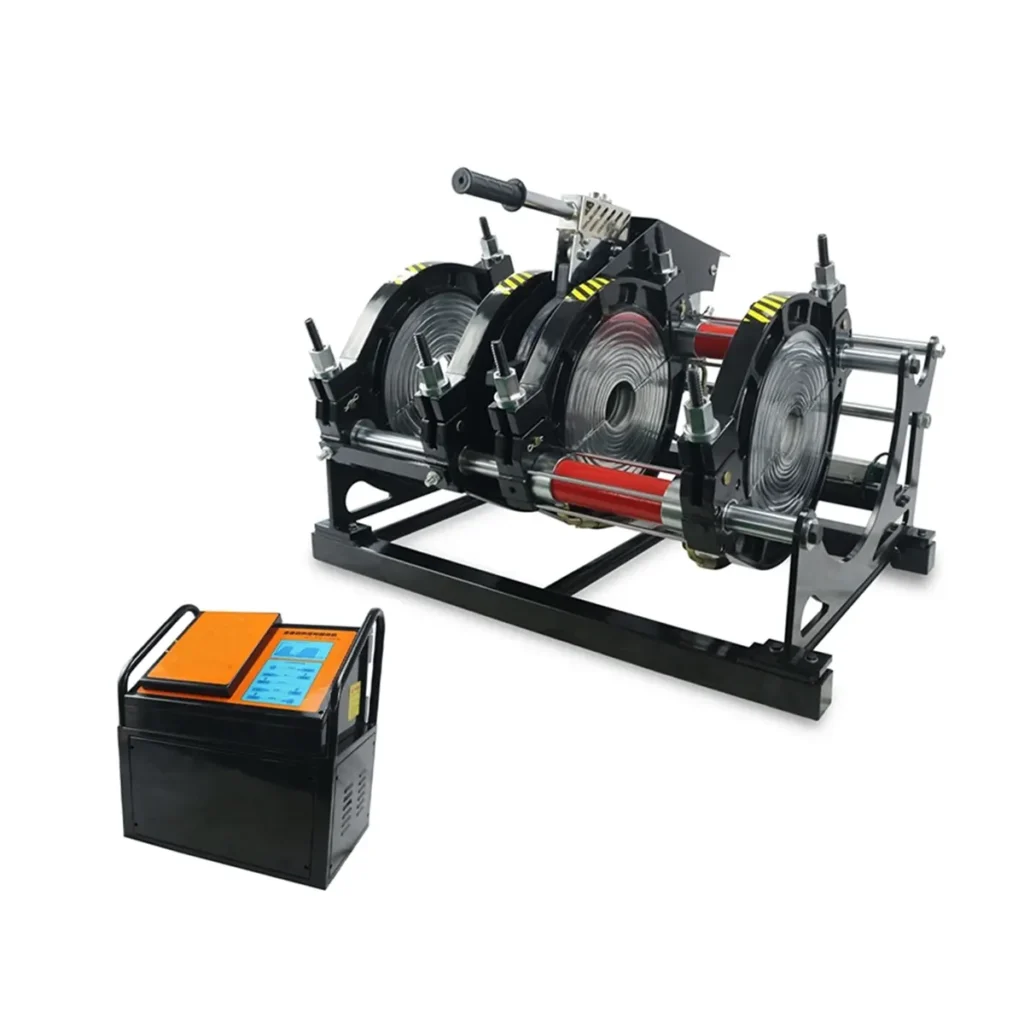
Ghana’s expanding infrastructure needs—from municipal water networks in Accra and Kumasi to mining and off-grid rural projects—require dependable pipe joining solutions. Butt fusion welding machines for HDPE and PE pipes deliver leak-free, long-lasting joints that suit Ghanaian climates and project conditions. This guide helps contractors, utilities, and project managers choose the right butt fusion equipment, compare common models, and understand installation and support considerations for work across Ghana.
Why Butt Fusion Welding Works Well for Ghana
Butt fusion creates homogeneous welds by heating pipe ends and pressing them together. For Ghana, where pipelines carry potable water, irrigation, gas, and industrial services, this method offers:
- Durability — joints match pipe strength and resist corrosion and soil conditions common in Ghanaian sites.
- Leak resistance — ideal for potable water and gas distribution lines operated by local utilities and developers.
- Field flexibility — portable manual and hydraulic units perform well in remote and urban job sites.
Common Applications in Ghana
Typical uses include:
- Municipal water mains and distribution networks
- Irrigation systems supporting agriculture in the Volta and Northern regions
- Gas distribution and utility pipelines in urban developments
- Mining and industrial pipelines in resource regions
Choosing the Right Machine Type
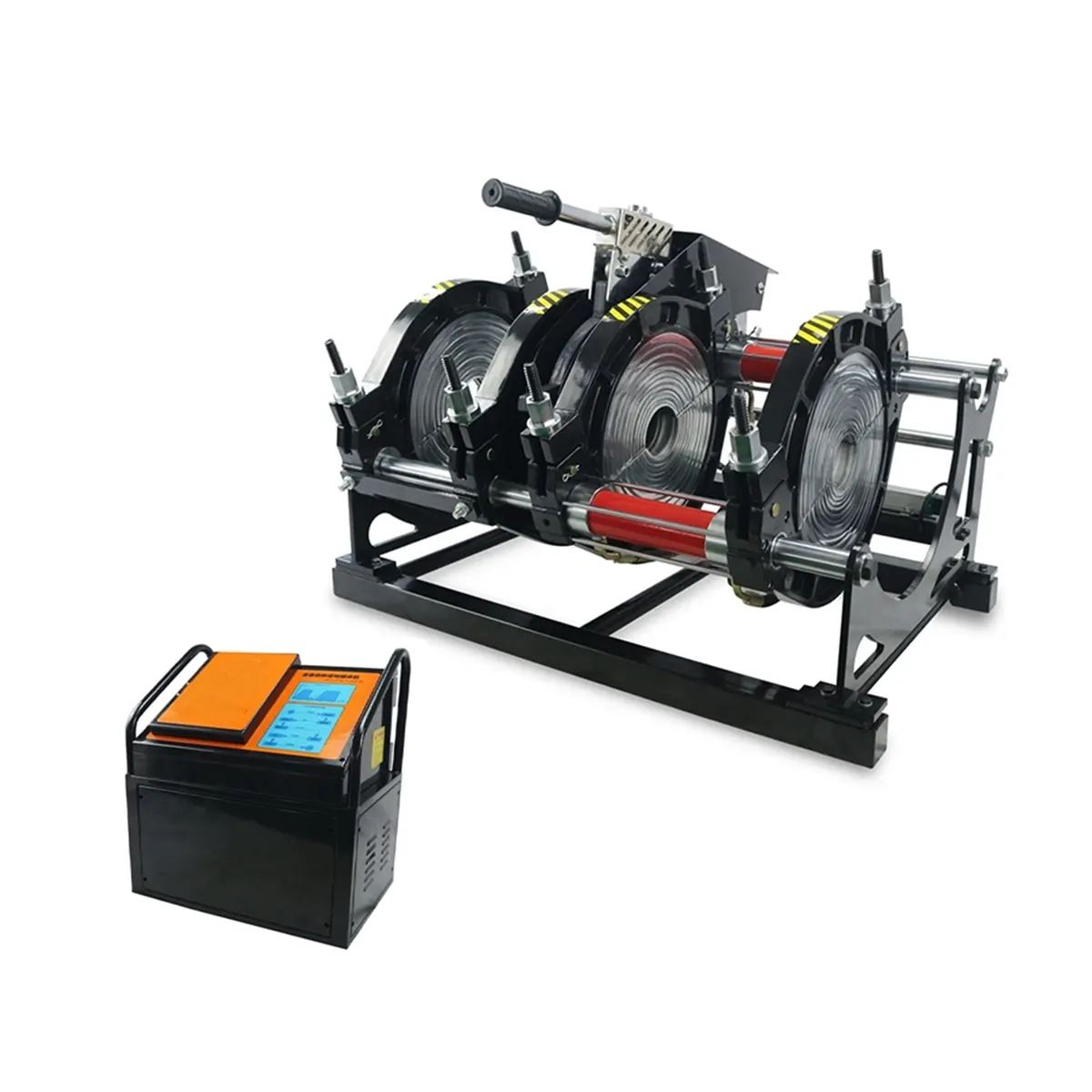
Select equipment based on pipe diameter, job site conditions, and production needs. The following table summarizes the three main categories:
| Machine Type | Best for | Benefits |
|---|---|---|
| Manual Butt Fusion | Small-diameter pipes, tight budgets | Portable, low maintenance, easy to train crews |
| Hydraulic Butt Fusion | Medium to large diameters | Higher clamping force, robust for frequent onsite use |
| CNC Automatic Butt Fusion | High-volume production, large pipeline projects | Precision control, data logging, faster cycle times |
Key Selection Tips for Ghanaian Projects
When specifying a machine for a Ghana project, consider:
- Pipe diameter range and SDR (standard dimension ratio).
- Power availability at site — some automatic machines require stable electric supply; hydraulic options can be adapted with generators.
- Portability for remote installations — lightweight frames and easy clamp systems help in rural areas.
- Training and certification options for local welders to ensure consistent weld quality.
Maintenance, Spare Parts & Local Support
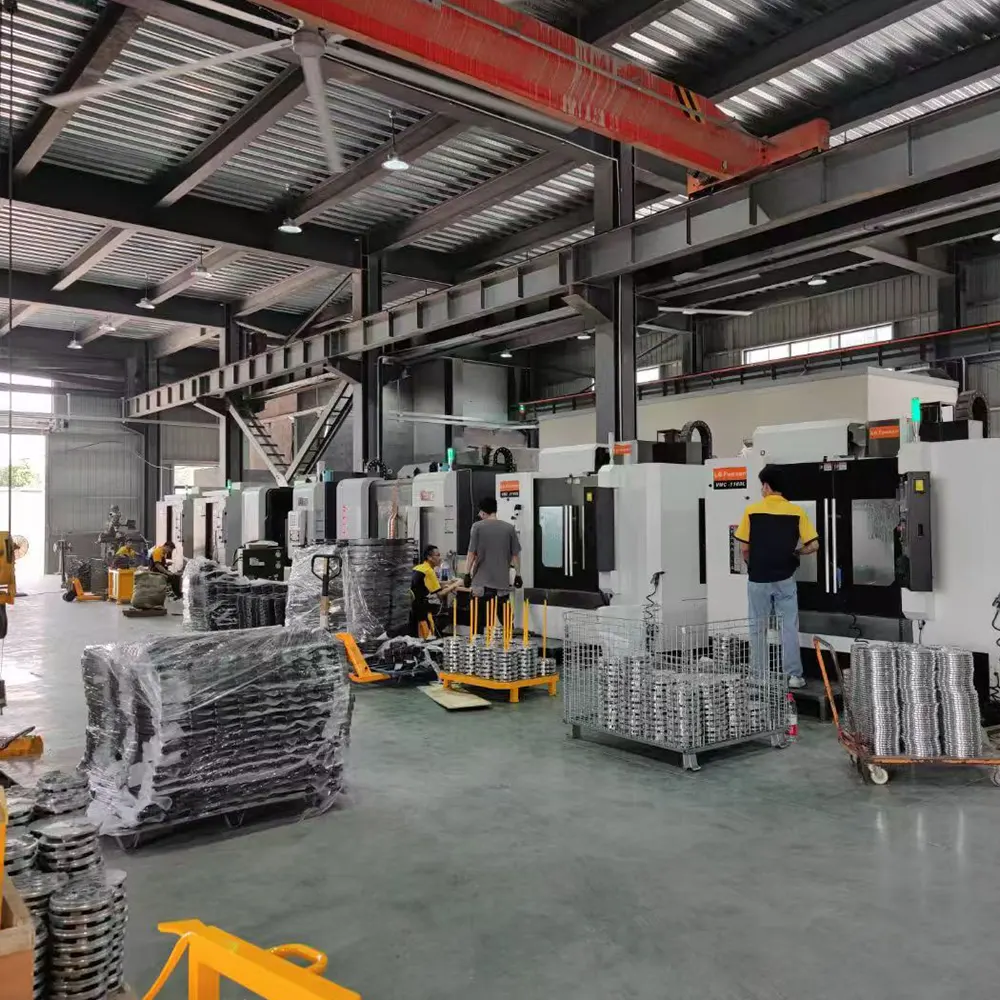
Routine maintenance ensures long machine life in hot, dusty Ghanaian conditions. Maintain heater plates clean, check hydraulic fluids, and store equipment under shade when not in use. Access to spare parts, calibrated tools, and training reduces downtime on critical municipal or industrial projects.
Project Workflow & Best Practices
Adopt a consistent workflow: pipe preparation, facing/trimming, heating, fusion under correct pressure, and controlled cooling. Use fusion logs and traceability for municipal or contractor quality assurance. For high-stakes pipelines, perform destructive testing samples as part of commissioning.
Ordering and Logistics to Ghana
When importing butt fusion machines, plan for shipping, customs clearance, and on-site commissioning. Choose suppliers that provide clear technical documentation, spare parts lists, and remote or onsite training. Reliable packaging and clear delivery timelines reduce delays for fast-moving infrastructure projects.
About the Manufacturer
JQ-Fusion is a professional manufacturer specializing in HDPE pipe welding machines, offering manual, hydraulic, and CNC automatic butt fusion machines used in water supply, gas distribution, mining, and industrial pipelines worldwide. Their product range supports small-to-large diameter welding needs and includes production support and parts.
Next Steps for Ghanaian Buyers
If your team in Ghana is planning a new pipeline, evaluate pipe sizes, daily fusion targets, and field conditions. Request detailed specifications and welding procedure recommendations from the supplier, and arrange training for local operators to ensure safe, repeatable welds that meet Ghanaian standards.



