
Benin’s growing urban centers and rural development projects are driving demand for reliable pipe fusion solutions. For contractors, municipalities, and distributors across Cotonou, Porto-Novo and regional provinces, sourcing a dependable electrofusion welding machine wholesaler means faster installations, safer water networks, and long-term cost savings.
Why Electrofusion Matters in Benin
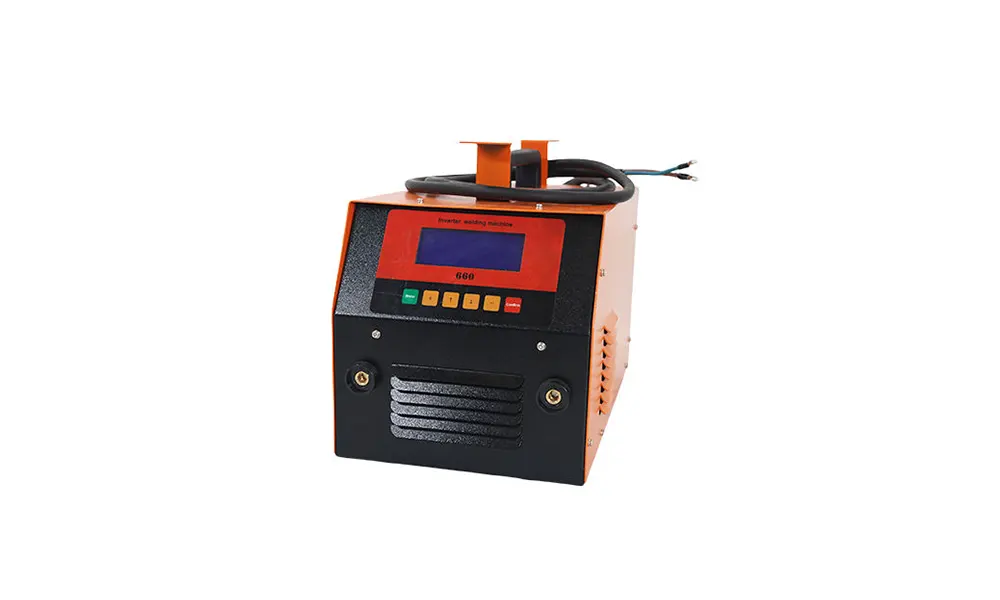
Electrofusion welding delivers leak-free joints for HDPE pipes used in drinking water, irrigation, and industrial pipelines. In Benin—where climate resilience, seasonal flooding, and expanding potable water access are priorities—electrofusion helps ensure networks remain durable under varying field conditions. Its advantages include controlled heating, consistent weld quality, and compatibility with complex fittings used in urban upgrades and rural projects.
Key Benefits for Local Projects
Reliability: Reduced leak risks mean fewer emergency repairs for municipal water utilities. Speed: Faster jointing on-site lowers labor costs and shortens project timelines. Portability: Compact electrofusion units are ideal for remote villages and construction sites with limited access.
What to Look For in a Wholesaler
Choosing a wholesaler in Benin requires focus on product quality, technical support, and spare parts availability. Look for suppliers that offer clear documentation, training, and warranty support tailored for African environments. Consider logistics and customs handling for prompt delivery across Cotonou, Parakou, and surrounding areas.
Wholesaler Comparison Matrix
| Feature | Why It Matters | Local Benefit |
|---|---|---|
| Certified Electrodes & Cables | Ensures consistent weld quality | Fewer failed joints in humid or hot climates |
| Spare Parts Inventory | Reduces downtime | Quicker repairs for rural networks |
| Technical Training | Improves installation quality | Builds local welding capacity |
| After-Sales Support | Long-term performance assurance | Peace of mind for contractors and utilities |
Popular Electrofusion Models & Typical Uses
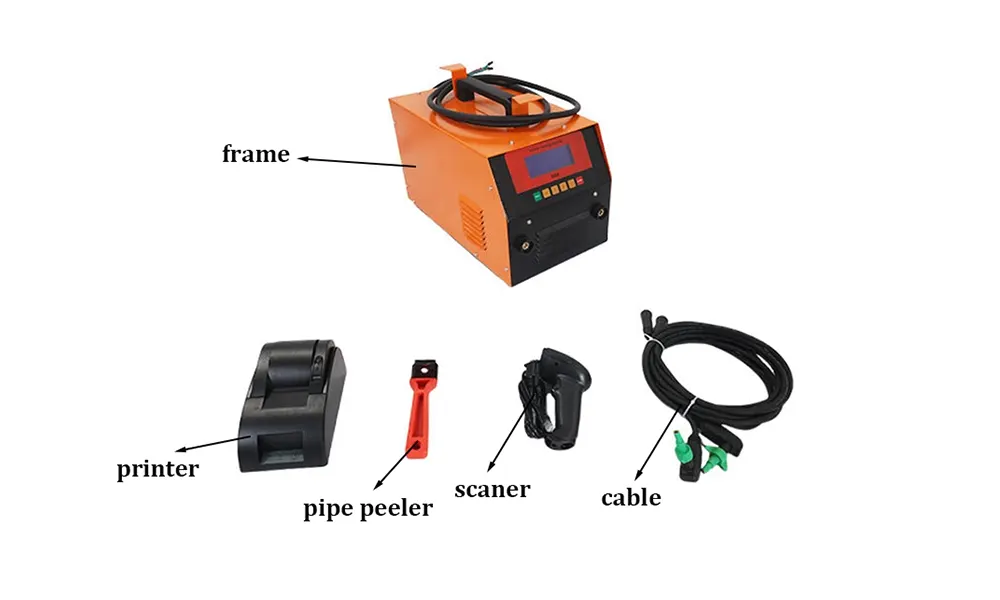
Wholesalers often stock a range of units from compact handheld controllers for small-diameter repairs to bench and trolley-mounted systems for larger fittings. Typical applications across Benin include:
- Rural water supply: Portable units for village networks and borehole connections.
- Urban distribution: Stable jointing for municipal mains and emergency repair teams.
- Irrigation and agriculture: Robust fittings for seasonal irrigation networks.
- Industrial installations: Durable systems for factories and processing plants near ports or industrial zones.
Buying Tips for Benin Buyers
When purchasing in Benin, verify certification and compatibility with PE materials, request a spare parts list, and arrange a demonstration or training session. Evaluate warranty terms and inquire about local service partners to avoid prolonged downtime. For large-scale projects, negotiating bulk pricing and logistics is advantageous.
After-Sales & Training
Effective after-sales service is crucial—seek wholesalers that provide installation guides, welding parameter charts, and on-site or remote troubleshooting. Training local technicians improves long-term reliability and reduces dependence on external specialists.
Common FAQs
Q: Is electrofusion suitable for Benin’s climate?
A: Yes — when using certified equipment and correct welding procedures, electrofusion performs well in tropical and humid environments.
Q: What is the expected lifespan of an electrofusion joint?
A: Properly executed electrofusion joints on HDPE pipes can match or exceed the lifespan of the pipe—often several decades.
Source & Contact
For reliable manufacturing and a broad range of butt fusion and electrofusion equipment, consider manufacturers that support global projects with documentation and spare parts. JQ-Fusion: https://jq-fusionwelding.com/



