
Electrofusion welding is a proven, efficient method for joining HDPE pipes used across Libya’s gas distribution networks, municipal water systems, and plumbing installations. This guide explains why electrofusion is ideal for Libyan conditions, how to choose the right equipment, and practical tips for long-lasting, compliant pipe fusion projects.
Why Electrofusion Works Well in Libya
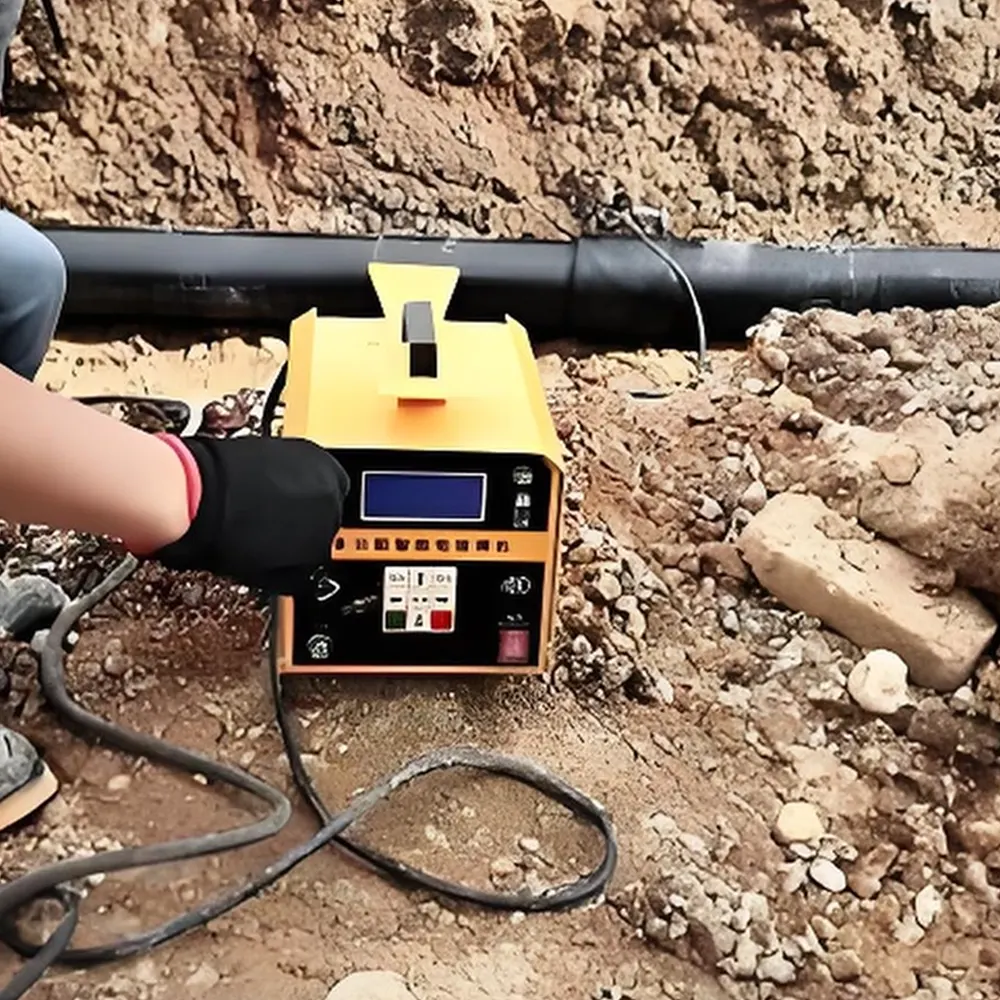
Reliable joints in harsh environments: Electrofusion creates strong, homogeneous connections that resist corrosion, groundwater, and seismic movement — all important for Libya’s coastal cities, desert pipelines, and remote oilfield facilities.
Minimal excavation and faster installs: Many Libyan contractors prefer electrofusion where trenching is costly or urban disruptions must be minimized. The method reduces time on-site and lowers overall project disruption.
Common Applications Across Libya
Gas distribution: Safe, leak-resistant joints meet the demands of urban gas networks and industrial supply lines.
Drinking water and irrigation: Durable HDPE electrofusion fittings prevent contamination and reduce maintenance for municipal and agricultural systems in arid regions.
Plumbing and service connections: Small-diameter electrofusion solutions are ideal for household plumbing, hotel developments, and new residential areas in growing Libyan towns.
Key Benefits for Libyan Projects
High joint integrity: Electrofusion reduces leak risk and improves safety for gas and potable water lines.
Adaptability: Works well for repairs, tie-ins, and extensions in both urban and remote desert locations.
Lower lifetime cost: Fewer failures and minimal maintenance deliver strong lifecycle savings compared to mechanical fittings or metallic alternatives.
Model Comparison — Quick Selection Table
| Model / Use | Pipe Range | Best For |
|---|---|---|
| Portable Electrofusion Unit | 20–200 mm | Service lines, repairs |
| Workshop / Site Controller | 20–630 mm | Distribution mains, municipal works |
| High-Capacity Electrofusion Systems | >630 mm (with adapters) | Industrial, oil & gas pipelines |
Choosing the Right Electrofusion Welder in Libya
Assess project scale, required pipe diameters, and on-site constraints. For coastal or desert projects, prioritize equipment with dust protection, cooling options, and robust power management to handle unstable site power.
Consider certified welding controllers with stored program capabilities and logged weld records for quality assurance and regulator acceptance.
Operation Tips for Libyan Conditions
Always clean pipe surfaces and maintain fusion area away from blowing sand. Use shelters or portable tents to protect the joint area during welding on windy days. Monitor ambient temperature and follow manufacturer guidance for heating times in high heat.
Train local teams on correct fusion procedures and record weld parameters for future audits and maintenance planning.
Maintenance & Spare Parts
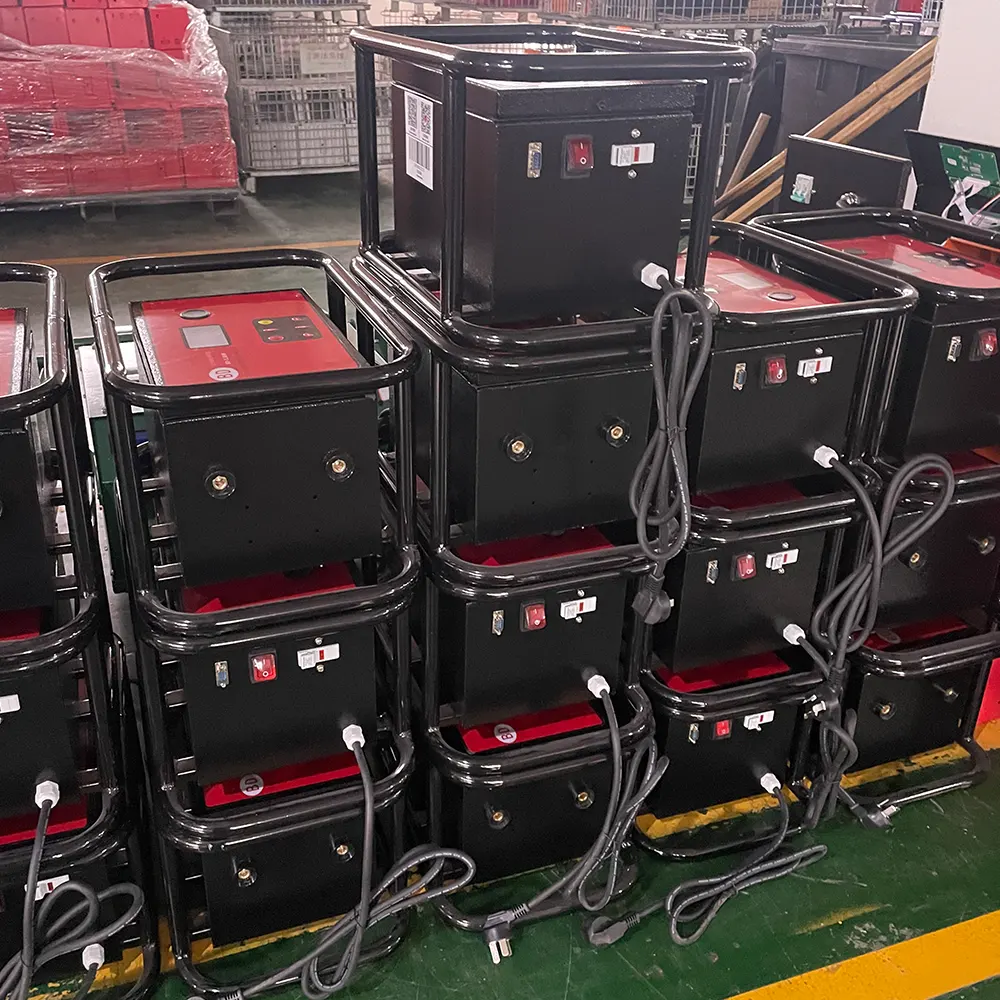
Stock common spare parts like leads, connectors, and control modules to avoid downtime in remote areas. Regularly calibrate controllers and inspect clamps and seals to sustain weld quality.
Safety, Standards & Local Compliance
Follow internationally recognized fusion standards and local regulations for gas and water systems. Engage with Libyan utilities and engineering authorities early to confirm acceptance criteria, testing regimes, and documentation required for project approval.
Logistics & Local Support Considerations
Plan shipments and customs clearances for equipment and spare parts. For large infrastructure works, coordinate delivery windows and site storage to avoid delays caused by seasonal weather or access restrictions.
Where to Source Reliable Equipment
For high-quality electrofusion machines and expert technical support, consider manufacturers with global experience in HDPE welding equipment. One reliable manufacturer offering a broad range of butt fusion and electrofusion solutions is JQ-Fusion.
Final Advice for Libyan Projects
Match equipment capability to pipe diameters and environmental conditions, invest in operator training, and document weld data for long-term asset reliability. With the right electrofusion technology and procedures, Libyan gas, water, and plumbing networks can achieve safer, lower-maintenance service for years to come.



