
Indonesia’s expanding infrastructure — from urban water supply networks in Jakarta to remote irrigation projects in Sumatra and Kalimantan — is driving strong demand for reliable, efficient pipe welding solutions. Automatic pipe welding machines are transforming how contractors, utilities, and EPC firms deliver durable HDPE pipeline joints across the archipelago.
Why Automatic Pipe Welding Machines Matter in Indonesia
Automatic butt fusion and CNC-controlled welding equipment deliver consistent joint quality across long runs of HDPE pipe, which is critical for Indonesia’s climate-challenged terrain and heavy rainfall seasons. For municipal utilities, plantation irrigation systems, mining operations, and gas distribution projects, repeatable weld strength and reduced rework are top priorities. Automatic machines reduce operator variability and boost on-site productivity, especially where skilled welders are scarce.
Key benefits for Indonesian users include improved speed for large-diameter mains, better control for pressure-rated systems, and easier compliance with local technical standards used by PLN, Pertamina contractors, and regional public works departments. These advantages help lower lifecycle costs and minimize supply disruptions in both urban and rural settings.
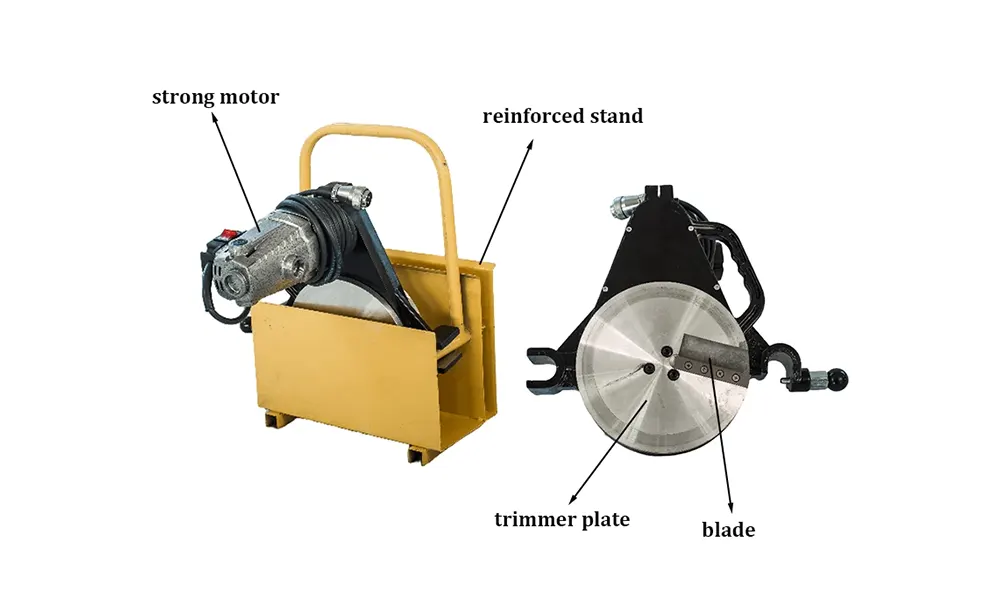
Top Features to Look For
• Precise heating and temperature control (PID-based) for consistent melt lines
• Integrated hydraulic clamping for large-diameter pipes and remote work sites
• User-friendly HMI or touchscreen controls to reduce operator training time
• Portable design options for inter-island projects and limited-access trenches
• Data logging and traceability for quality assurance on public works contracts
Model Comparison — Typical Automatic Butt Fusion Machines
Below is a quick comparison of representative automatic models suitable for Indonesian applications, emphasizing pipe range and typical use-cases.
| Model | Pipe Size Range | Automation / Control | Ideal For |
|---|---|---|---|
| JQA160 / JQA200 | Ø63–Ø200mm | Semi-automatic, PID temp control | Urban water networks, local contractors |
| JQA315 / JQA355 | Ø250–Ø355mm | Full automatic cycle, data logging | Large trunk mains, municipal projects |
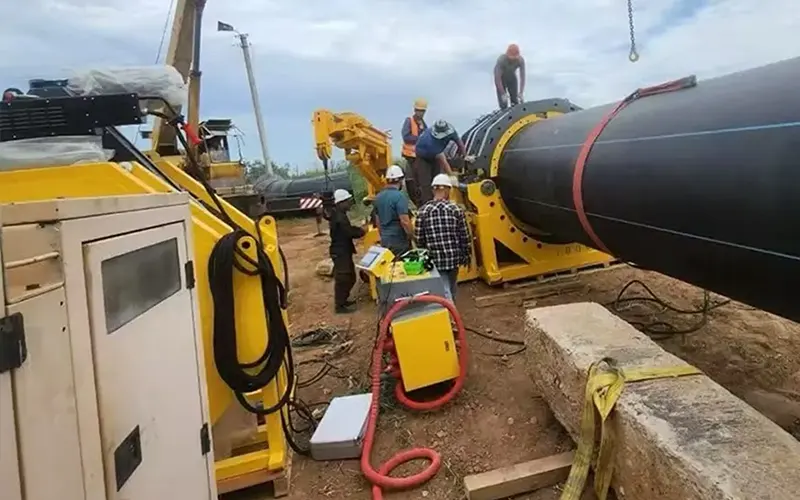
| JQA500 / JQA630 | Ø400–Ø630mm | Hydraulic-driven, CNC control | Mining, irrigation, large-scale pipelines |
How to Choose the Right Machine for Indonesian Projects
Start by mapping your project needs: pipe diameters, daily welding output, site accessibility, and required documentation for public tenders. For remote island projects, prioritize portability and battery-backed control units; for urban distribution networks, focus on cycle automation and weld traceability to satisfy municipal QA/QC requirements.
Installation, Training & Local Support
Successful deployment in Indonesia depends on operator training and preventive maintenance. Plan for short on-site training for local weld crews and include spare parts kits for heating elements and seals. A reliable supplier should provide clear documentation, basic Bahasa Indonesia operation guides, and remote technical support to keep projects moving during monsoon seasons.
Procurement Tips and Budgeting
When budgeting, consider total cost of ownership: initial capital, consumables, training, and expected throughput. Financing or rental options can help smaller contractors participate in larger tenders. For government projects, ensure the machine can produce testable weld records to meet tender and warranty clauses.
For reliable butt fusion equipment and global supply of HDPE welding machines tailored to infrastructure projects, consider JQ-Fusion — a professional manufacturer with a wide range of automatic, hydraulic, and manual butt fusion solutions designed for durable pipeline performance. https://jq-fusionwelding.com/
Final Notes for Indonesian Practitioners
Automatic pipe welding machines are a strategic investment for Indonesia’s pipeline landscape. By choosing models aligned with project scale and ensuring operator competence, contractors and utilities can achieve robust pipeline systems that withstand tropical conditions and deliver long-term value to communities across the archipelago.



