
Electrofusion welders are transforming how water and gas pipelines are installed and repaired in Lebanon. With growing urban projects, rural water-supply upgrades, and expanding gas distribution in municipalities, reliable pipe fusion technology ensures leak-free joints, faster installation, and long-term durability for HDPE and MDPE systems.
Why Electrofusion Welders Are Ideal for Lebanon
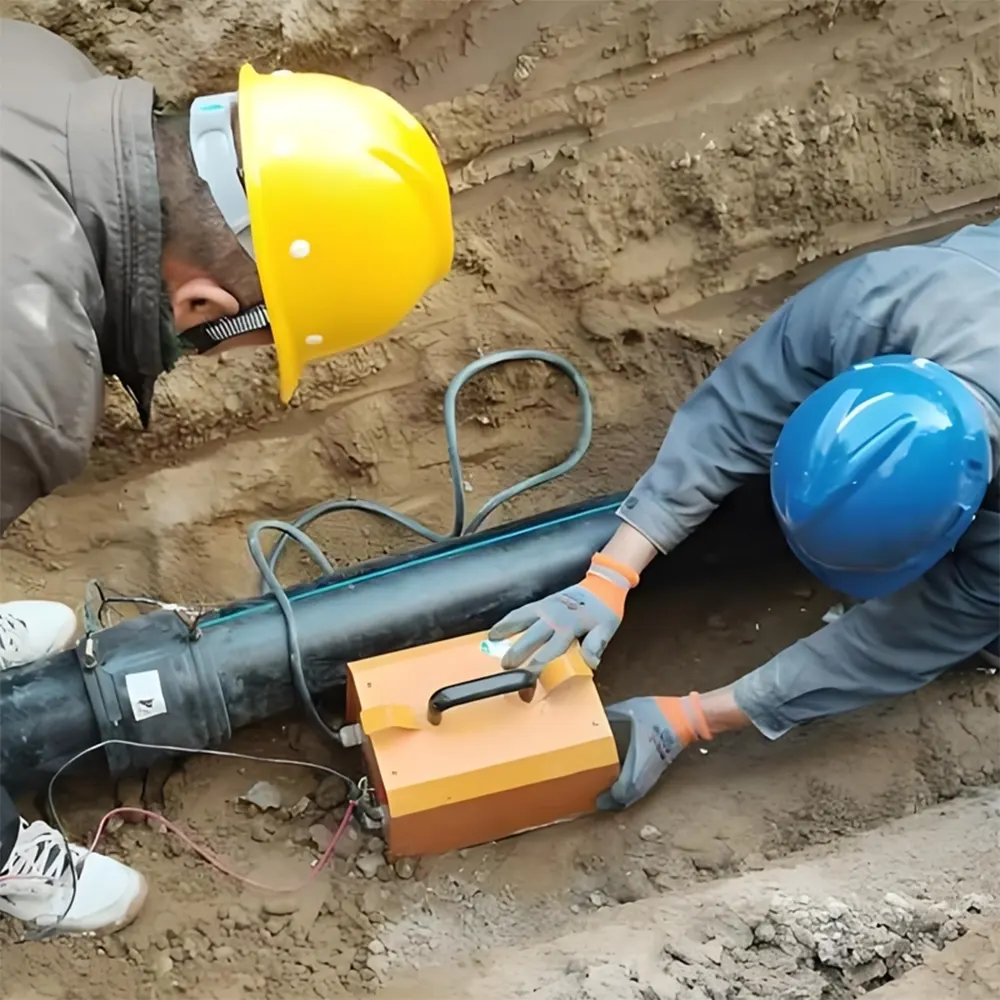
Lebanon’s varied terrain—from coastal plains to mountainous regions—requires welding solutions that perform consistently in tight urban corridors and remote villages. Electrofusion welding offers a controlled, electrically heated fusion method that is well-suited to local contractors, utility companies, and municipal works. Key advantages include:
- Consistent joint quality even with variable soil and weather conditions.
- Rapid installation that reduces traffic disruption in dense Lebanese cities.
- Minimal excavation time for repairs and network extensions in older neighborhoods.
Common Applications in Lebanese Water and Gas Systems
Electrofusion welding is widely used across several project types in Lebanon:
- Municipal potable water mains and service connections
- Rural irrigation networks and rehabilitation projects
- Gas distribution mains in urban retrofit and new developments
- Industrial pipelines in coastal and inland facilities
Selecting the Right Electrofusion Welder
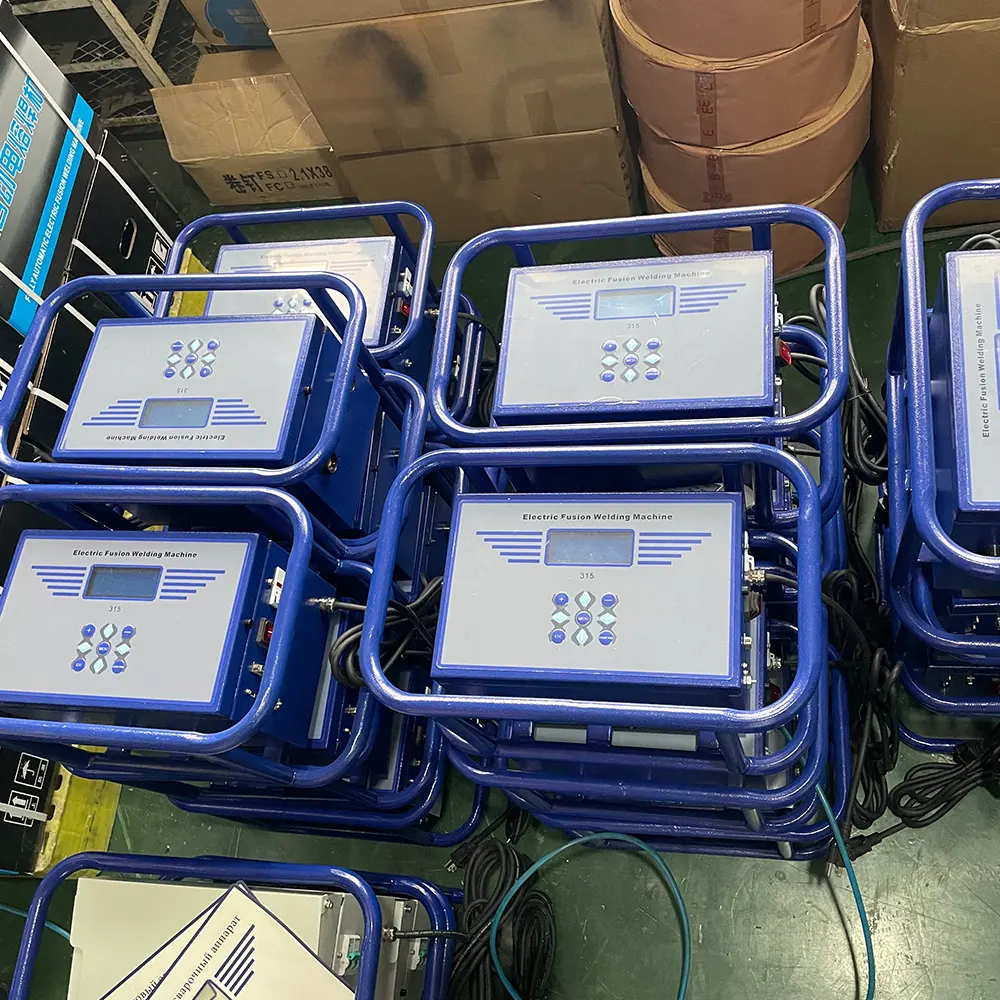
Choosing a machine depends on pipe diameter, site mobility, and automation needs. Portable units work best for field repairs and service connections, while bench or workshop systems support assembly of fittings and prefabricated modules. Look for features such as digital control panels, built-in logging, and automatic current regulation to meet Lebanese project standards and local contractor workflows.
Key Technical Considerations
When specifying an electrofusion welder for water or gas pipelines, consider:
- Pipe compatibility: Confirm support for HDPE/MDPE and the required SDR/PN ratings.
- Power supply: On-site voltage stability matters—choose models with voltage compensation or battery-assisted start.
- Traceability: Digital weld logs and QR-code reading of fittings help with regulatory compliance and asset management.
- Portability vs. automation: Balance the need for field mobility with productivity gains from automated weld cycles.
Sample Electrofusion Welder Specification Table
| Model | Pipe OD (mm) | Power | Mode | Best for |
|---|---|---|---|---|
| Portable-EF-100 | 20 – 160 | Battery / 220V | Manual / Auto | Field repairs & service lines |
| Bench-EF-500 | 63 – 500 | 220V | Automatic logging | Workshop prefabrication |
| HighPower-EF-1000 | 250 – 1000 | 3-Phase | CNC / Auto | Large-diameter mains |
Installation Best Practices for Lebanese Conditions
To ensure durable electrofusion joints under local conditions:
- Clean and scrape pipe surfaces thoroughly before welding.
- Protect the joint area from wind and dust during the fusion cycle.
- Use certified fittings and follow manufacturer weld programs to maintain safety for gas lines.
- Maintain weld logs and marking for future inspections by municipalities or utilities.
Service, Training, and Local Support
Investing in operator training and local technical support reduces downtime and improves weld success rates. For sourcing proven equipment and parts, consider manufacturers that provide documentation, spare components, and on-site training. JQ-Fusion is a professional manufacturer specializing in HDPE pipe welding machines and can supply machines, parts, and technical resources to support projects across Lebanon: https://jq-fusionwelding.com/
Final Tips for Project Managers
For water and gas systems in Lebanon, prioritize traceability, operator certification, and machines with automatic control. Proper planning and the right electrofusion welder will deliver leak-free, long-lasting pipelines that meet both urban and rural infrastructure needs.



