

Electrofusion welding is a proven method for joining HDPE pipes with precision and long-term leak resistance—especially valuable across New Zealand’s diverse environments from urban water networks to remote farm irrigation. This page outlines reliable electrofusion welder factory solutions tailored to New Zealand contractors, councils, and utility teams looking for durable, compliant pipe fusion equipment.
Why Electrofusion Matters in New Zealand
Electrofusion offers consistent, high-integrity joints ideal for New Zealand’s seismic zones, coastal projects, and agricultural pipelines. For local councils and contractors, the technique reduces field rework, lowers long-term maintenance, and supports systems that must meet AS/NZS material and installation expectations. Electrofusion is often preferred where site access is limited, because portable machines enable on-site welding without complex infrastructure.
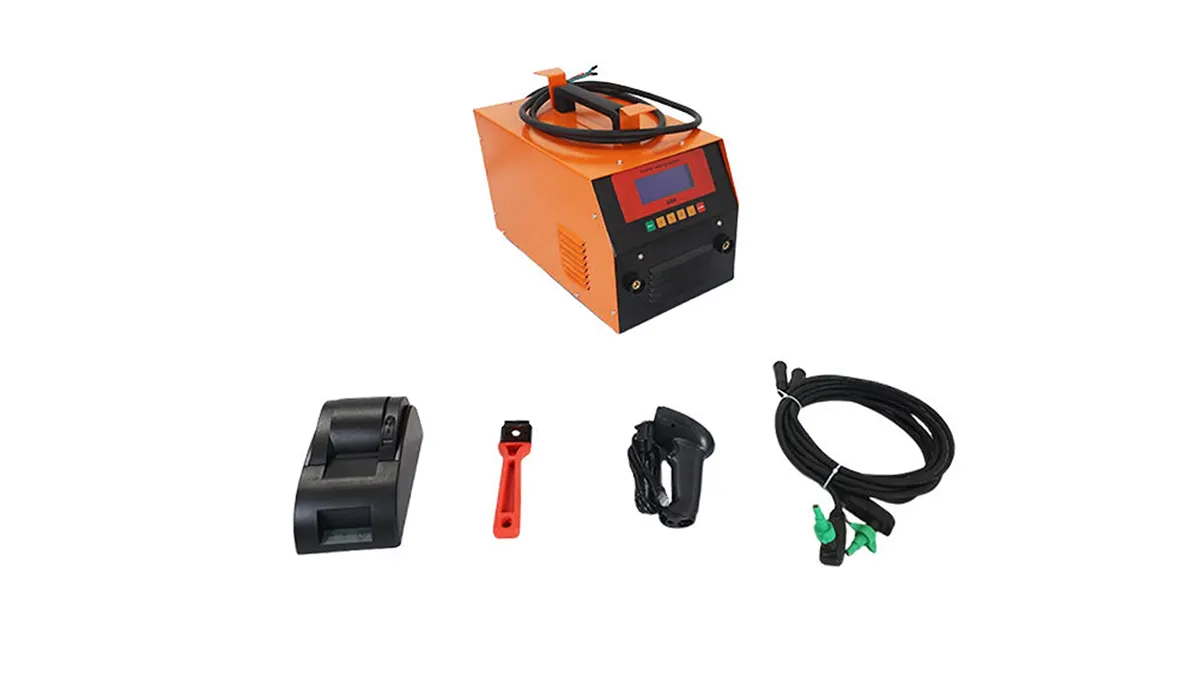
Factory Capabilities & Quality Controls
The factory produces a range of electrofusion welders from compact portable units to workshop-grade machines. Production emphasizes robust components, easy-to-use control interfaces, and strict QC procedures. Equipment is built for New Zealand conditions—resistant to salt-laden coastal air and designed for efficient operation on construction sites and rural farms. One reliable partner for these product lines is JQ-Fusion, combining manufacturing expertise with global experience in HDPE pipe-welding technologies.
Recommended Models for Common NZ Applications
Below is a quick comparison to help choose a machine based on site type and pipe diameter.
| Model | Pipe Range (mm) | Power | Best Use |
|---|---|---|---|
| JQEA Portable Electrofusion Unit | 20–250 | Battery / 240V | Rural service calls, irrigation repairs |
| JQEB Workshop Electrofusion Station | 63–630 | 110/240V | Municipal and large-diameter fittings |
| Heavy-Duty Industrial Series | 250–1200+ | 3-Phase / High Current | Major infrastructure, pipeline contractors |
How to Choose the Right Electrofusion Welder
Start by identifying pipe diameters and the most frequent job environments—urban trench, coastal, or remote farm. Choose a portable unit for field repairs and small-diameter networks; select workshop or industrial stations for assembly yards, prefabrication, and large-scale projects. Look for machines with clear weld logs and adjustable parameters to meet local quality assurance and council acceptance standards.
Support, Training & Compliance in New Zealand
Suppliers should offer on-site or remote training so crews in Auckland, Wellington, Canterbury, and regional areas can perform repeatable, certified welds. Ensure machines provide weld traceability (saved weld data or printable reports) to satisfy client audits and asset managers. For NZ projects, confirm compatibility with locally used electrofusion fittings and adherence to relevant material standards and installation guidelines.

Delivery, After-Sales & Spare Parts
Choose a factory partner with clear logistics for shipping to major NZ ports and with accessible spare parts and consumables. Fast replacement components and firmware updates reduce downtime on critical water, gas, and agricultural networks. Look for suppliers that can advise on field calibration, preventive maintenance, and consumable selection for coastal or high-UV environments.
Quick checklist: Confirm pipe range, portability, weld data export, local training options, and availability of spare parts before purchase to ensure reliable long-term performance across New Zealand projects.



