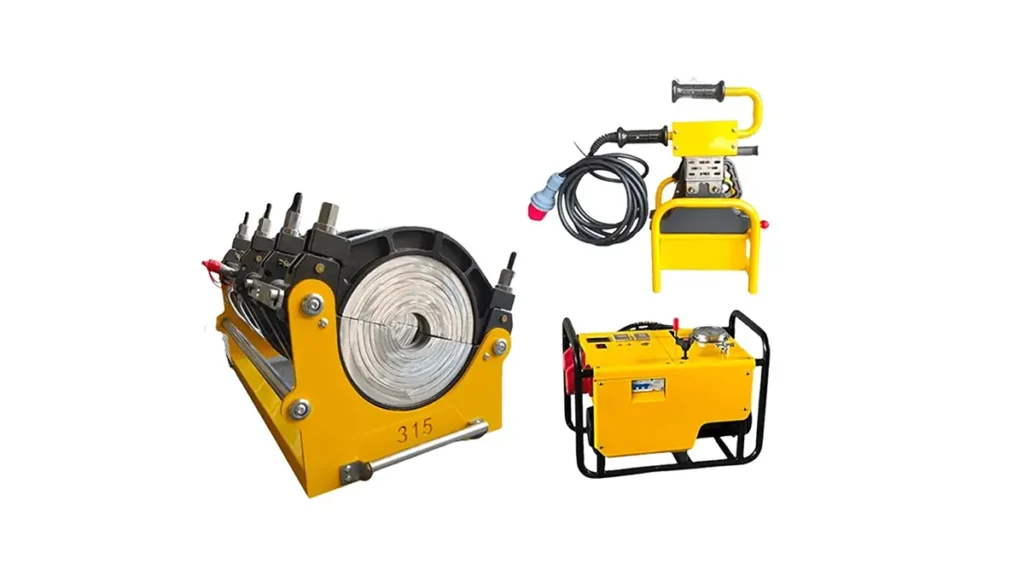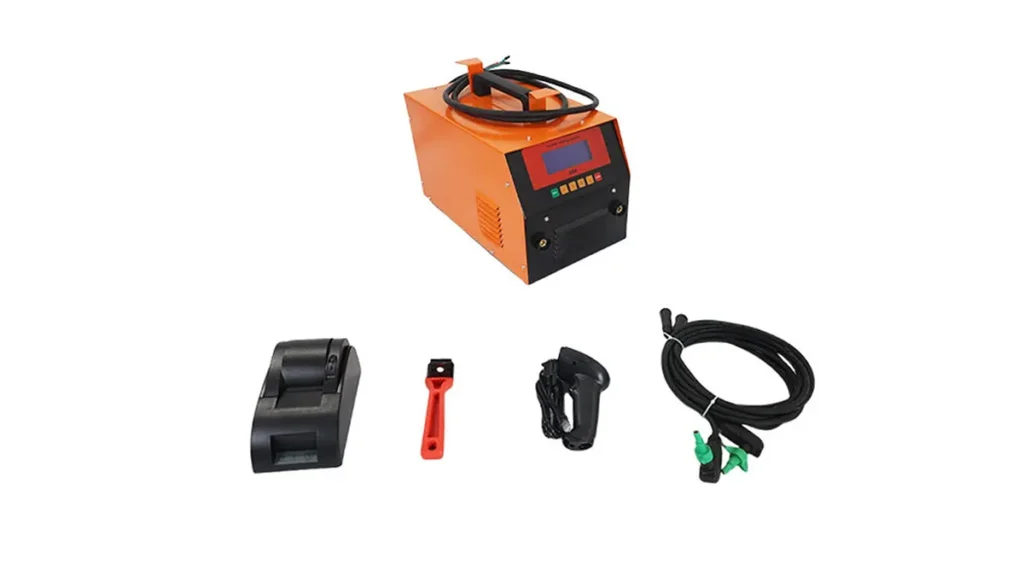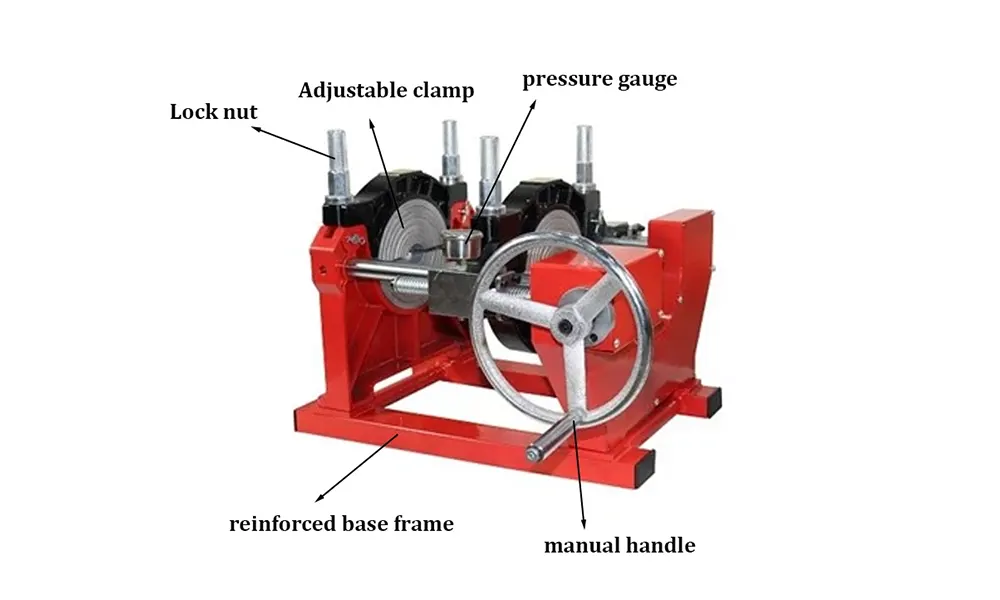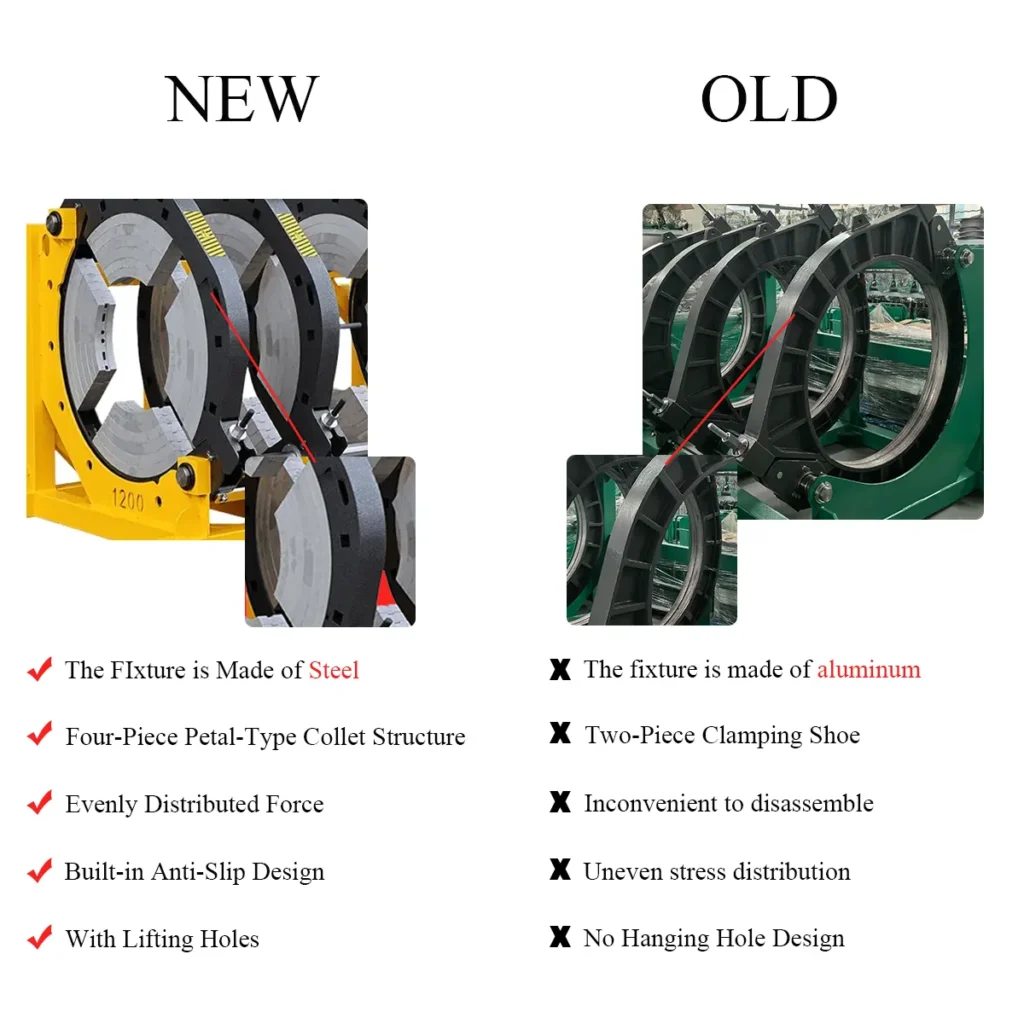
Selecting the right electrofusion machine for PE pipes is one of the most critical decisions in modern PE electrofusion equipment standard pipeline construction. Whether you are managing gas distribution networks, water supply systems, or industrial fluid transport, the integrity of every joint depends on precise control and reliable equipment. An electrofusion machine applies a controlled electrical current through embedded heating coils within PE fittings, creating a homogeneous, leak-proof bond that is essential for long-term system performance.
Understanding the Core Function of an Electrofusion Machine
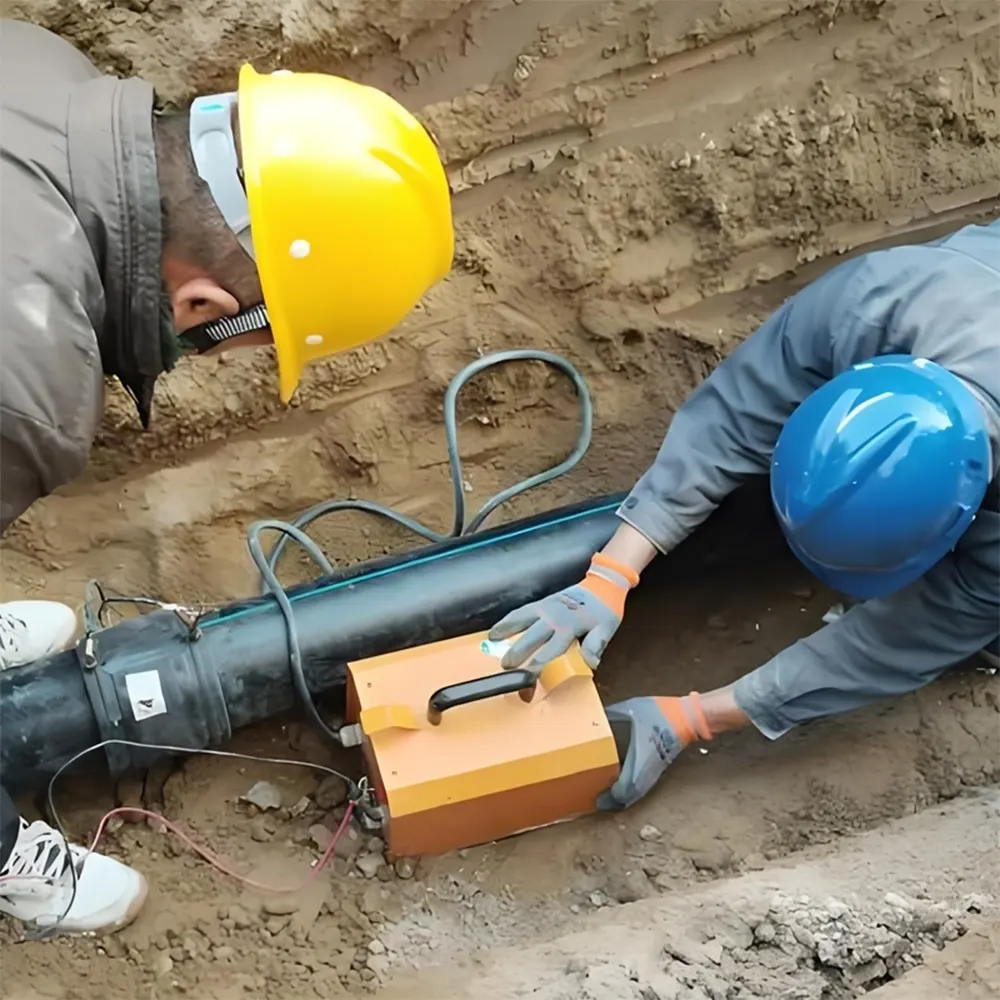
Unlike traditional butt fusion, electrofusion technology excels in tight spaces, repair scenarios, and complex fitting connections such as tees, elbows, and tapping saddles. The machine reads the fitting’s barcode or manually inputs the required parameters, then automatically regulates voltage, current, and fusion time. This automation minimizes human error and ensures consistent joint quality across various pipe diameters.
Key advantages include:
- High joint integrity with minimal operator dependency
- Ability to join different wall thicknesses and PE grades
- Compact design suitable for trench and confined space work
- Integrated data logging for quality assurance and traceability
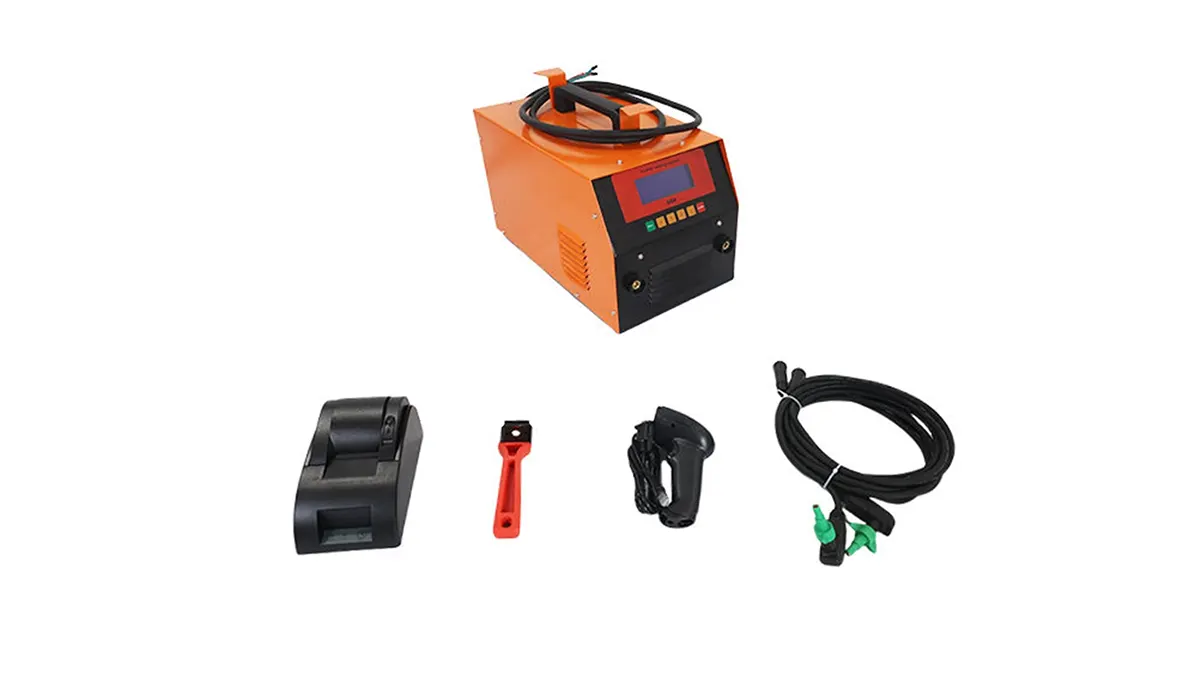
Key Factors to Evaluate When Choosing Equipment
Not all electrofusion machines are built the same. Evaluating the following factors will help you select equipment that matches your project scope, operating environment, and long-term reliability needs.
1. Welding Parameter Control and Automation
Modern machines feature automatic barcode scanning or manual keypad input, ensuring the correct energy delivery for each fitting. Look for models compliant with ISO 12176-2 electrofusion standards that offer precise voltage regulation and real-time monitoring of the fusion cycle. Machines with advanced microprocessors can detect anomalies such as short circuits or incorrect fitting connections, immediately alerting the operator.
2. Data Logging and Traceability
For critical infrastructure, traceability coding is non-negotiable. Equipment should record parameters like fusion time, voltage, ambient temperature, and operator ID. This data can be transferred via USB or Bluetooth to central databases, supporting compliance with PE fusion traceability requirements and simplifying audit processes.
3. Output Voltage Range and Generator Compatibility
Field operations often rely on portable generators. A robust electrofusion machine must handle input voltage fluctuations—typically from 180V to 260V—while maintaining stable output. Check the machine’s tolerance and whether it automatically adjusts to unstable power sources. Machines designed with wide voltage bands perform more reliably on remote job sites.
4. Build Quality and Portability
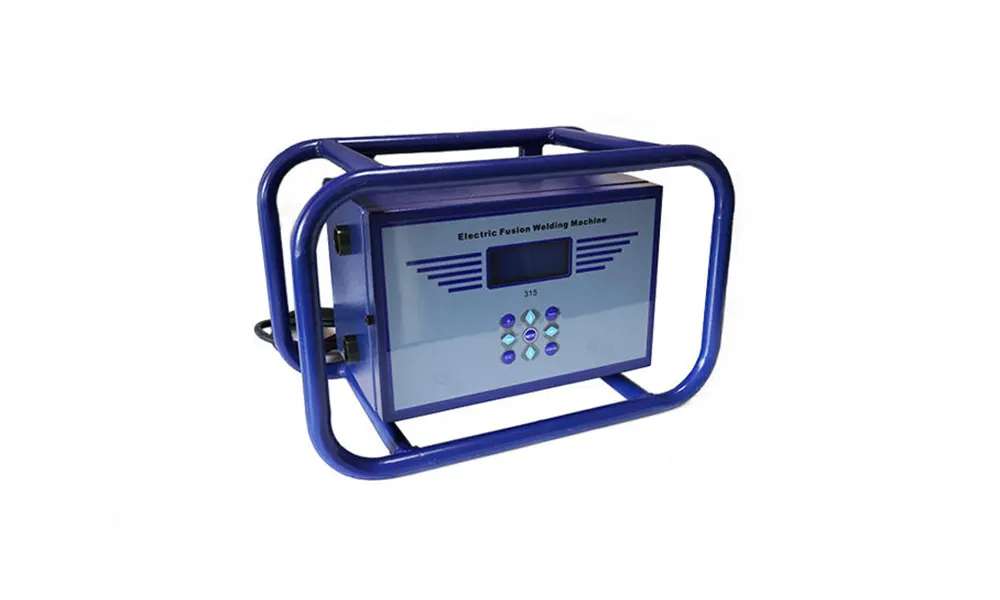
The machine should withstand harsh field conditions—dust, moisture, and rough handling. Compact, lightweight designs with protective frames are ideal for daily transport. Consider cable length and connector durability, as these components experience frequent wear. An ergonomic interface with a clear, readable display also improves efficiency during prolonged use.
5. Fitting Compatibility and Diameter Range
Your machine must support the full spectrum of fittings your projects require, from small 20mm couplers to large 1200mm saddle fittings. Verify that the machine’s output capacity matches the voltage and current demands of the largest fittings you plan to weld. A wider operating range offers greater flexibility across diverse contract requirements.
Comparing Machine Specifications
The table below outlines typical specifications to consider when comparing different models of electrofusion machines for PE pipes. Use this as a reference checklist during procurement.
| Feature | Standard Requirement | Advanced Requirement |
|---|---|---|
| Input Voltage | 220V ± 10% | 170V – 270V automatic regulation |
| Output Current | Up to 60A | Up to 100A or higher |
| Data Interface | USB | USB + Bluetooth / Wireless |
| Protection Class | IP54 | IP65 or higher |
| Fitting Range | 20mm – 800mm | 20mm – 1200mm+ |
| Weight | 25 – 35 kg | Under 20 kg |
Operator Training and Certification
Even the most advanced electrofusion machine for PE pipes requires skilled operators. Comprehensive training on proper pipe scraping, cleaning, alignment, and device operation is essential. Many standards, including PE fusion operator requirements, mandate certified personnel for critical installations. Investing in operator education reduces joint failure rates and extends the service life of your equipment.
Maintenance and Long-Term Reliability
Regular calibration and cleaning of electrical contacts are vital. Storing the machine in a dry environment and inspecting cables for damage before each use can prevent costly downtime. Partnering with a supplier that offers responsive after-sales support, spare parts availability, and technical guidance ensures your equipment remains operational throughout its lifespan.
For organizations seeking dependable welding solutions, JQ-Fusion provides a range of electrofusion and butt fusion machines designed to meet rigorous international standards. Their equipment supports comprehensive PPI electrofusion guide recommendations and is backed by extensive inventory and global service networks.
Ensuring Compliance with Industry Standards
Adherence to recognized standards guarantees that your joints meet regulatory and safety benchmarks. Refer to the ASTM F1290 electrofusion practice for polyolefin pipe joining and relevant ISO documents to align your procedures with global best practices. Regular audits and joint sample testing further reinforce quality assurance protocols across your operations.
Quick Checklist for Equipment Selection
- Verify automatic barcode scanning and parameter control accuracy
- Confirm wide input voltage tolerance for field generator use
- Ensure comprehensive data logging with export functionality
- Check fitting diameter and type compatibility across your project needs
- Assess build quality, portability, and available service support
- Review operator certification requirements and available training
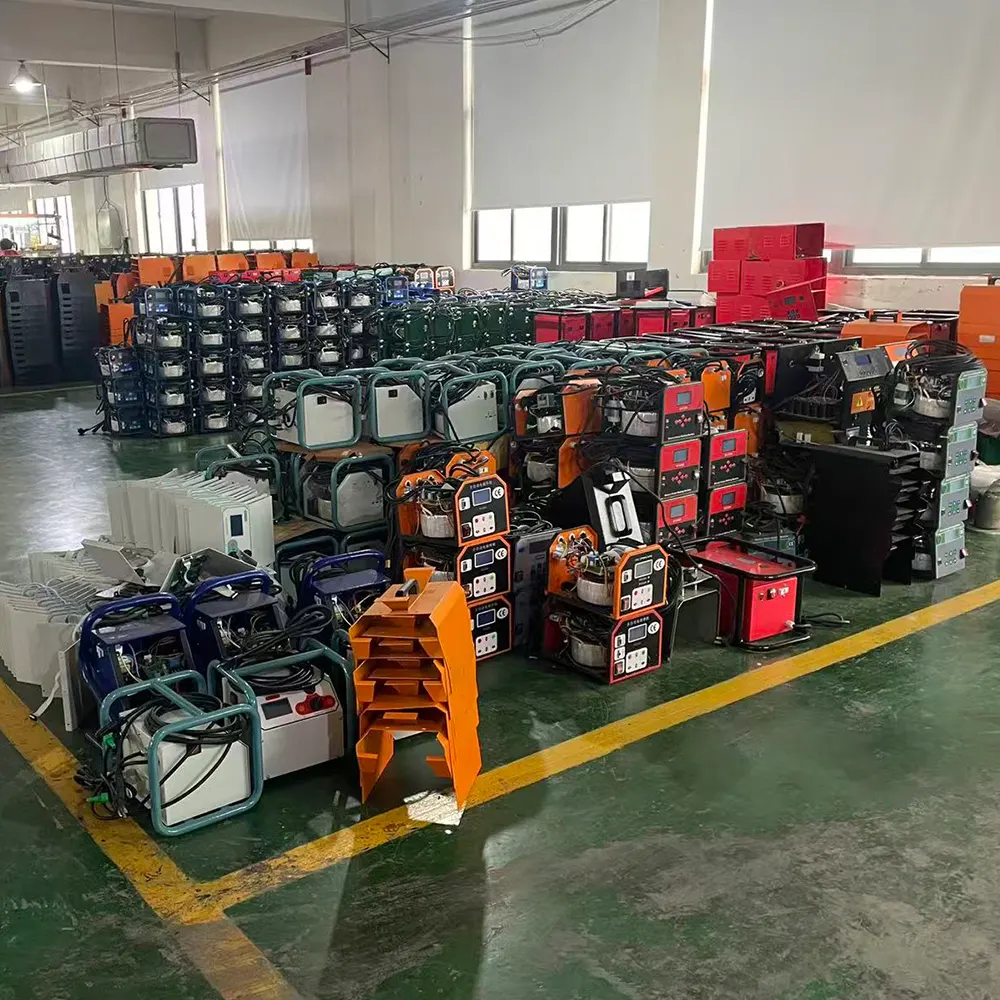
Choosing the right electrofusion machine is an investment in pipeline integrity, operational efficiency, and long-term project success. By evaluating technical specifications, compliance with international standards, and supplier reliability, you can secure equipment that delivers consistent, high-quality welds across every application.