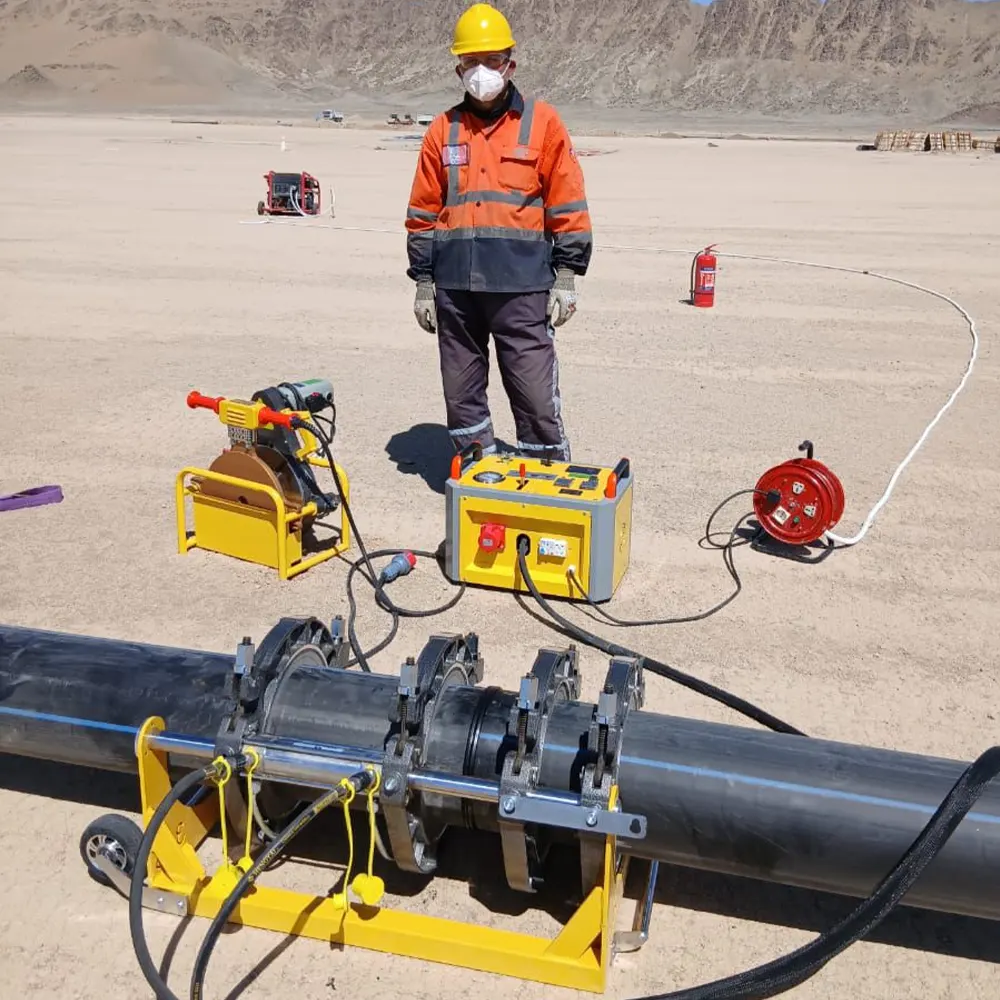
When you’re managing a pipeline installation hundreds of kilometers from the nearest supply depot, every piece of equipment must earn its place on the truck. In remote mining operations, mountain water diversion projects, or isolated gas field developments, the butt fusion welding machine you choose can make the difference between a project that stays on schedule and one plagued by costly delays. Power instability, limited access to spare parts, extreme weather, and difficult terrain all demand a machine built specifically for these challenging conditions.
Why Standard Welding Machines Fall Short in Remote Locations
Conventional workshop welding equipment is simply not designed for the unpredictability of off-grid environments. A standard machine might perform flawlessly in a controlled fabrication yard, yet struggle when faced with generator-supplied power, high-altitude temperature swings, or dusty desert conditions. In remote project settings, machine reliability directly impacts project profitability. Every hour of downtime waiting for a replacement heating plate or a technician to arrive on site translates into substantial financial losses. Understanding these unique constraints is the first step toward selecting equipment that will perform consistently when it matters most.
Key Features to Look for in an HDPE Pipe Welding Machine for Remote Projects
Selecting the right HDPE pipe welding machine for remote projects requires evaluating several critical factors that go beyond basic welding specifications. The following features are essential for equipment that will be deployed far from conventional support infrastructure.
Portability and Transport Logistics
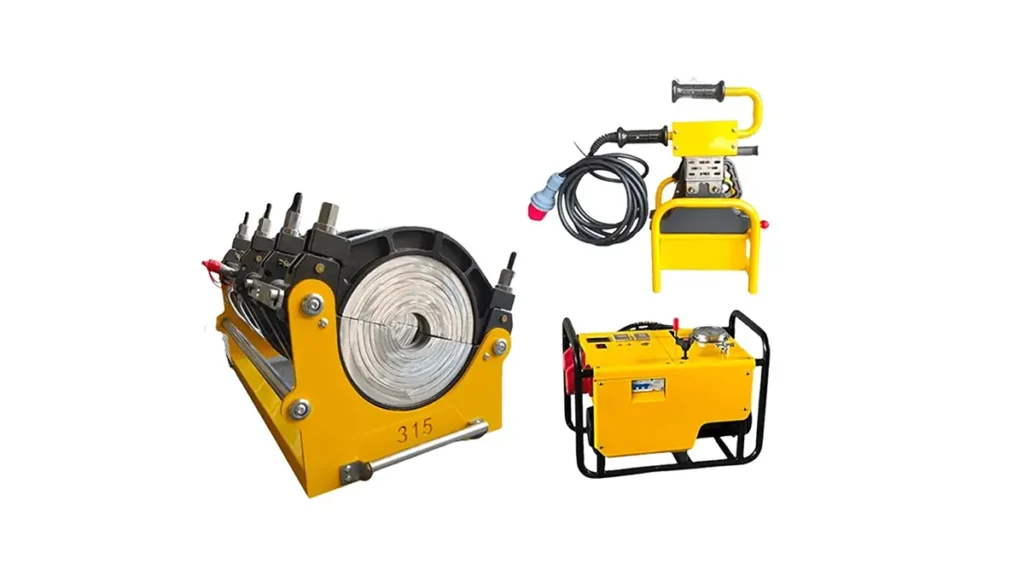
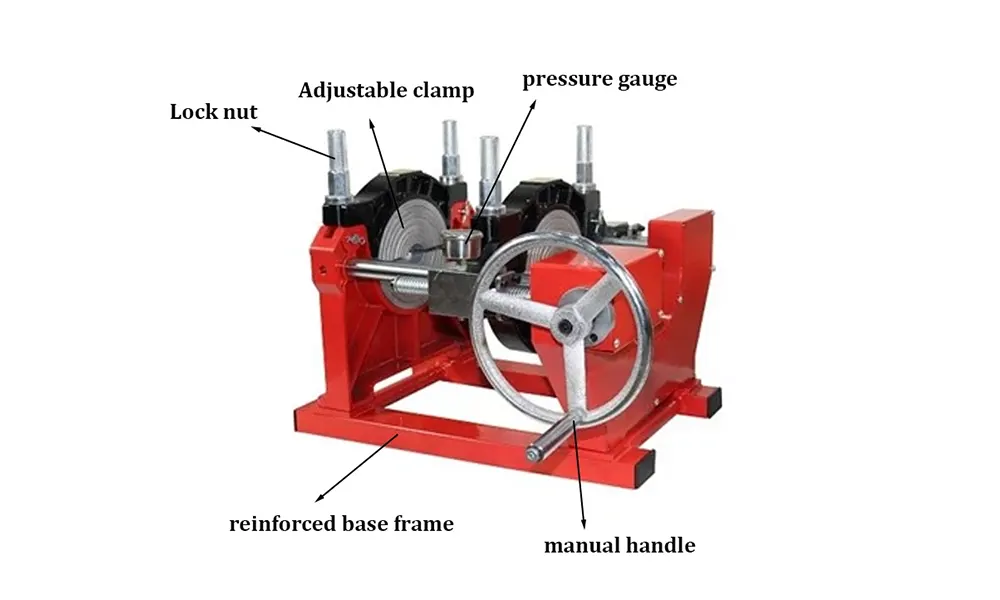
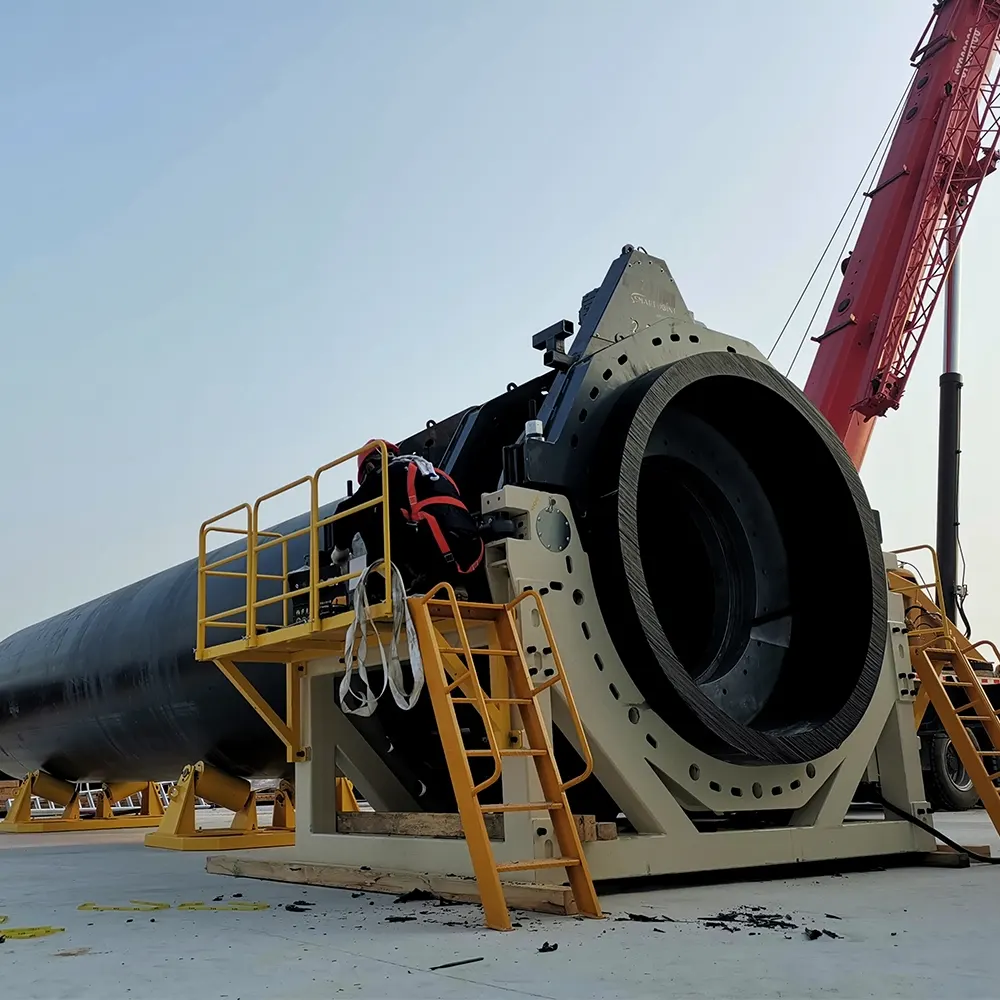
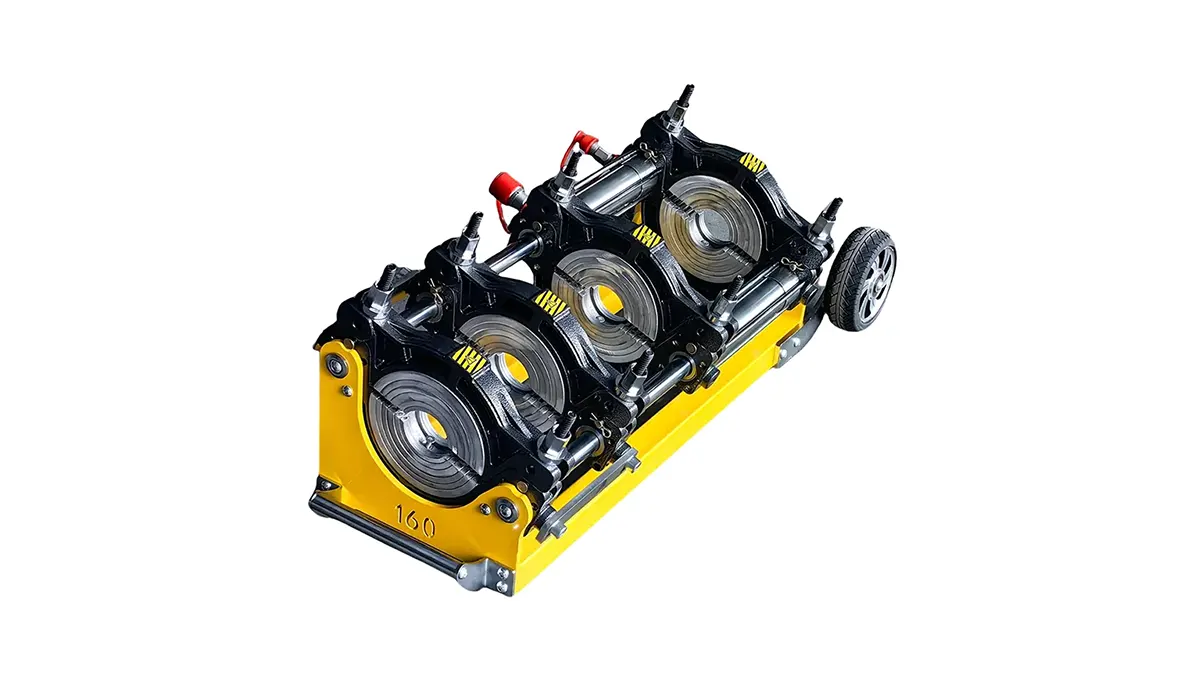
In remote locations, your welding machine may need to be airlifted by helicopter, transported across unpaved mountain roads, or carried manually to the installation point. Compact frame designs, integrated lifting eyes, and modular components that can be disassembled for transport are non-negotiable features. Manual butt fusion welding equipment often excels in ultra-remote settings where minimizing weight and complexity is the top priority, particularly for smaller diameter pipes up to 315mm. For larger diameters, look for hydraulic machines with detachable frames and wheel-mounted base options that balance portability with welding capacity.
Power Source Flexibility
Grid electricity is rarely available at remote project sites. Your welding machine must operate reliably on generator power, and in some cases, solar-battery setups. Machines with wide voltage tolerance ranges and stable heating element performance under fluctuating power conditions are essential. The ability to maintain consistent fusion temperatures despite input power variations is a hallmark of well-engineered equipment. This is particularly important when working in mountainous regions where generator performance can be affected by altitude and temperature changes.
Durability in Harsh Environments
Remote projects frequently expose equipment to extreme temperatures, abrasive dust, high humidity, and corrosive atmospheres. Welding machines destined for these environments need robust frame construction with corrosion-resistant coatings, sealed hydraulic systems protected against contamination, and heating plates with durable non-stick PTFE surfaces that resist damage from wind-blown debris. Machines built with aluminum alloy clamps offer an excellent balance of strength and weight reduction, making them particularly suitable for field applications where both durability and portability matter.
Simplified Operation and Low Maintenance Requirements
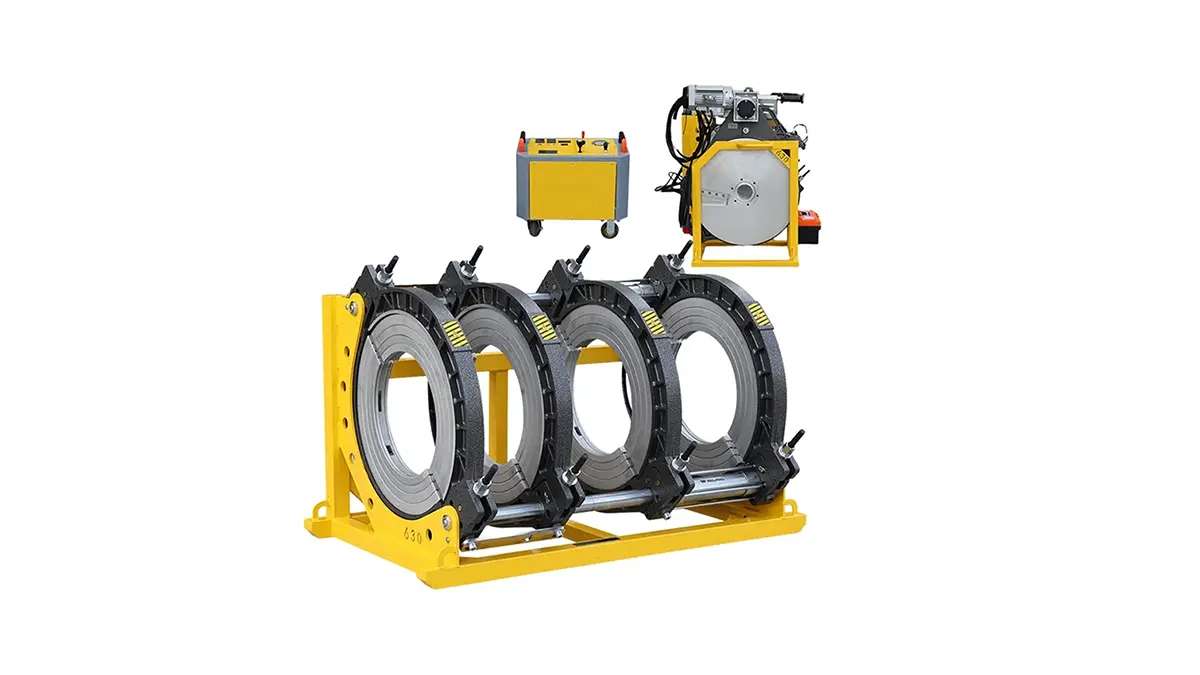
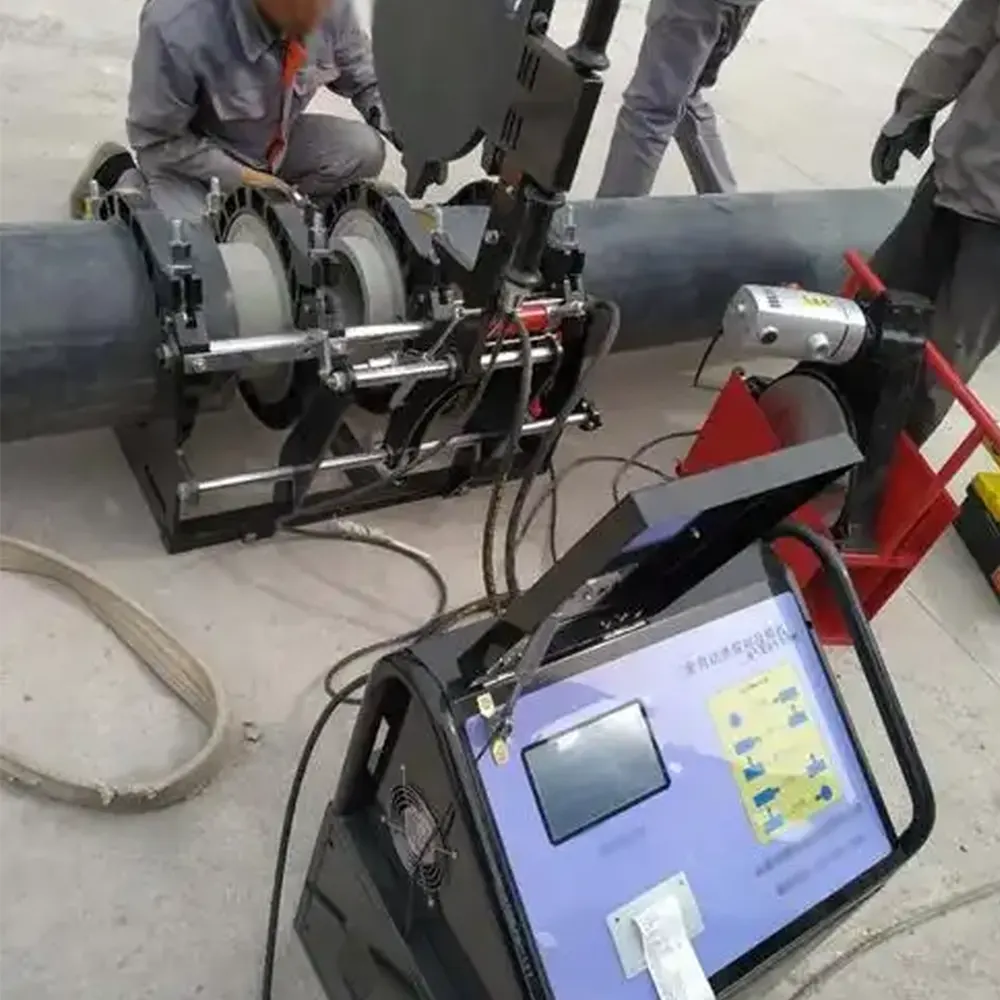
Complex machinery that requires specialized technicians for routine maintenance is a liability in remote areas. The ideal machine for off-grid work features intuitive controls, easily accessible maintenance points, and components that can be serviced with basic tools. CNC automatic butt fusion welding machines with self-diagnostic capabilities and data logging functions reduce the reliance on operator expertise while maintaining weld quality. These systems automatically control fusion parameters including temperature, pressure, and time, ensuring consistent joint integrity even when operated by crews with varying experience levels in isolated locations.
Comparing Welding Machine Types for Remote Applications
Different welding technologies offer distinct advantages depending on the specific demands of your remote project. The table below compares the three main categories of butt fusion equipment in the context of off-grid operations.
| Machine Type | Portability | Power Flexibility | Best Remote Application | Typical Pipe Range |
|---|---|---|---|---|
| Manual Butt Fusion | Excellent | Generator-compatible | Small-diameter water lines, community projects | 63mm – 315mm |
| Hydraulic Butt Fusion | Good (modular design) | Wide voltage range | Mining slurry lines, large water mains | 160mm – 2250mm |
| CNC Automatic | Moderate | Stable power preferred | Gas pipelines, critical infrastructure | 160mm – 630mm |
Planning for Remote Welding Success: Equipment and Spare Parts Strategy
Beyond the welding machine itself, a comprehensive remote project plan must account for spare parts inventory and contingency equipment. When the nearest supplier is days away, carrying backup heating plates, trimmer blades, hydraulic hoses, and essential electronic components becomes critical. Experienced project managers typically calculate spare part requirements based on the total number of fusion joints planned, adding a 15-20% buffer for unexpected replacements. Hydraulic butt fusion welding machines with standardized, globally available components simplify this logistics challenge significantly, as replacement parts can often be sourced regionally rather than shipped internationally.
Industry Standards That Ensure Weld Integrity in the Field
Adhering to established fusion standards is essential regardless of project location, but becomes even more critical when independent quality verification is limited. The following internationally recognized guidelines provide the framework for reliable field welding operations:
- ISO 21307 butt fusion procedures — defines the standard fusion protocols that should be programmed into automatic machines and followed manually for consistent joint quality.
- PPI TR-33 generic butt fusion procedure — provides practical field guidance applicable across various HDPE pipe grades and wall thicknesses.
- ASTM F2620 heat fusion standard — the primary North American reference for heat fusion joining of PE pipe and fittings, covering everything from surface preparation to cooling times.
Training and Operator Competency for Isolated Work Sites
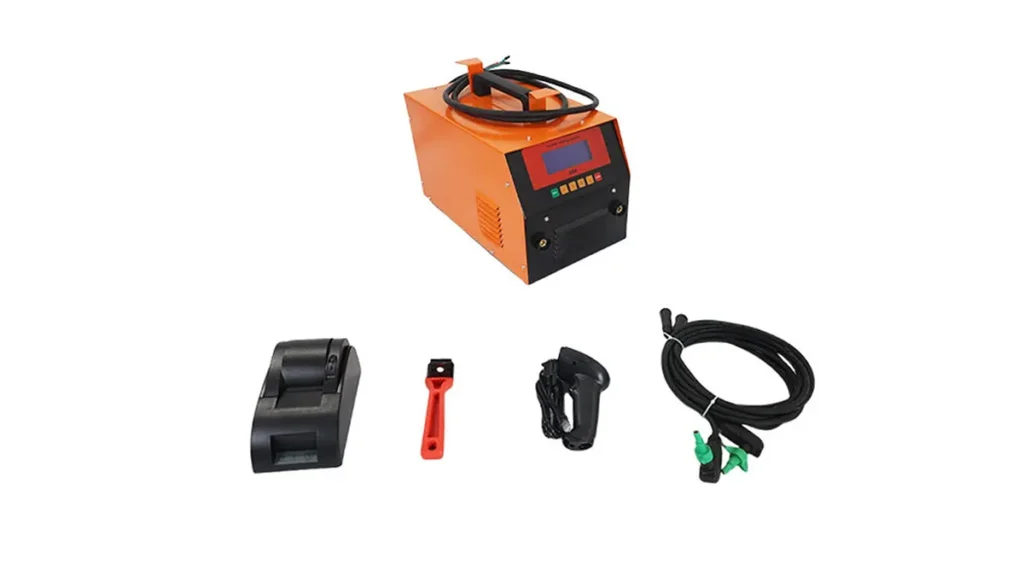
Remote project success depends heavily on operator skill. Unlike factory environments where supervisors can continuously monitor weld quality, off-grid crews must be self-reliant. Investing in comprehensive operator training before deployment — covering proper alignment techniques, pressure calibration, heating plate temperature verification, and visual inspection of completed joints — pays dividends in reduced rework and avoided leaks. For projects using electrofusion equipment as a complementary joining method, additional training on surface preparation and fitting handling is equally important. The best welding machine in the world cannot compensate for inadequate operator knowledge, especially when working under the pressure of tight remote-project deadlines.
Partnering with an Experienced Equipment Manufacturer
For remote projects with demanding logistical constraints, working with a manufacturer that understands field realities is invaluable. JQ-Fusion specializes in producing HDPE pipe welding machines engineered for global infrastructure projects, offering solutions that balance durability, portability, and precision. Their product range spans manual, hydraulic, and CNC automatic systems covering pipe diameters from small to large, with customization options that address specific remote-site requirements such as custom frame configurations, specialized clamping systems, and tailored power supply solutions. With rigorous quality assurance testing on every unit — including temperature accuracy validation and clamp alignment verification — contractors gain confidence that their equipment will perform reliably from the first fusion joint to the last, regardless of how far from civilization the project takes them.
Final Recommendations for Remote Project Equipment Selection
Choosing the best HDPE pipe welding machine for remote projects comes down to matching equipment capabilities with site-specific realities. Prioritize machines with proven field performance in similar environments, verify spare parts availability along your supply chain, and ensure operator training programs are completed before mobilization. Whether your project calls for compact manual machines for mountain village water systems or heavy-duty hydraulic units for cross-country mining pipelines, investing in purpose-built equipment from a manufacturer with verified international project experience will protect your schedule, budget, and reputation in the challenging but rewarding world of remote infrastructure development.