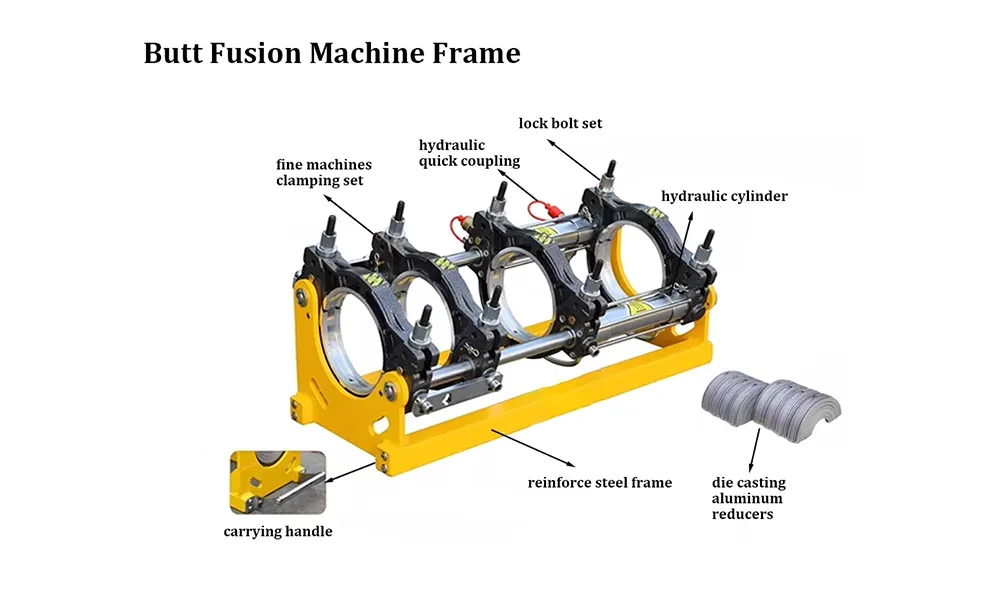
Plastic pipe welding is a critical process in modern infrastructure, ensuring leak-proof and durable connections in pipelines for water, gas, and industrial applications. At the heart of this technology lies the plastic pipe welder, a device designed to join thermoplastic pipes like HDPE (High-Density Polyethylene) through controlled heating and fusion. Understanding the plastic pipe welder working principle is essential for operators, engineers, and project managers who demand reliable, long-lasting pipe networks.
What Is a Plastic Pipe Welder?
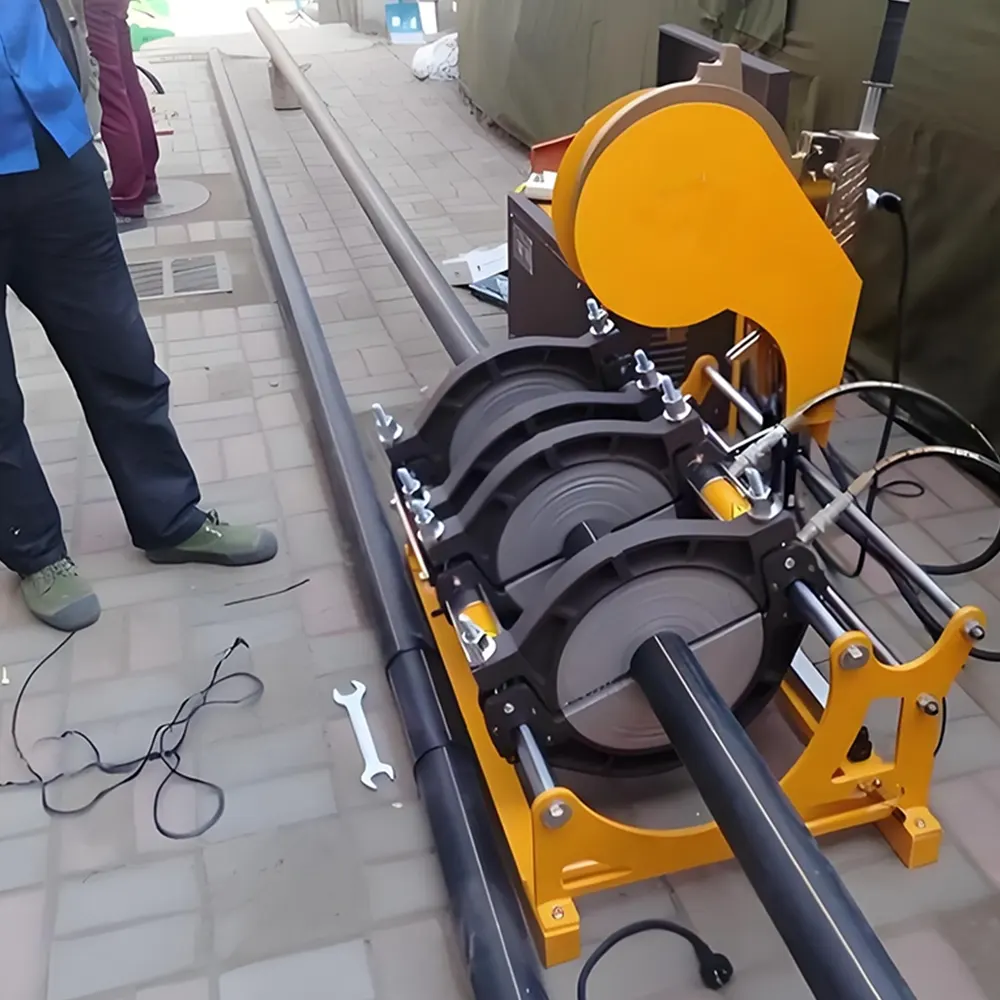
A plastic pipe welder is a specialized machine used to join polyethylene (PE) or polypropylene (PP) pipes and fittings by melting the material at the joint interface and fusing it under precise pressure. Unlike mechanical couplings or solvent-based methods, plastic welding creates a homogeneous bond where the pipe ends become one continuous piece. The most common method is butt fusion, joining two pipe ends face-to-face. Another widely used technique is electrofusion, where a special fitting with embedded heating wires melts the pipe surface internally.
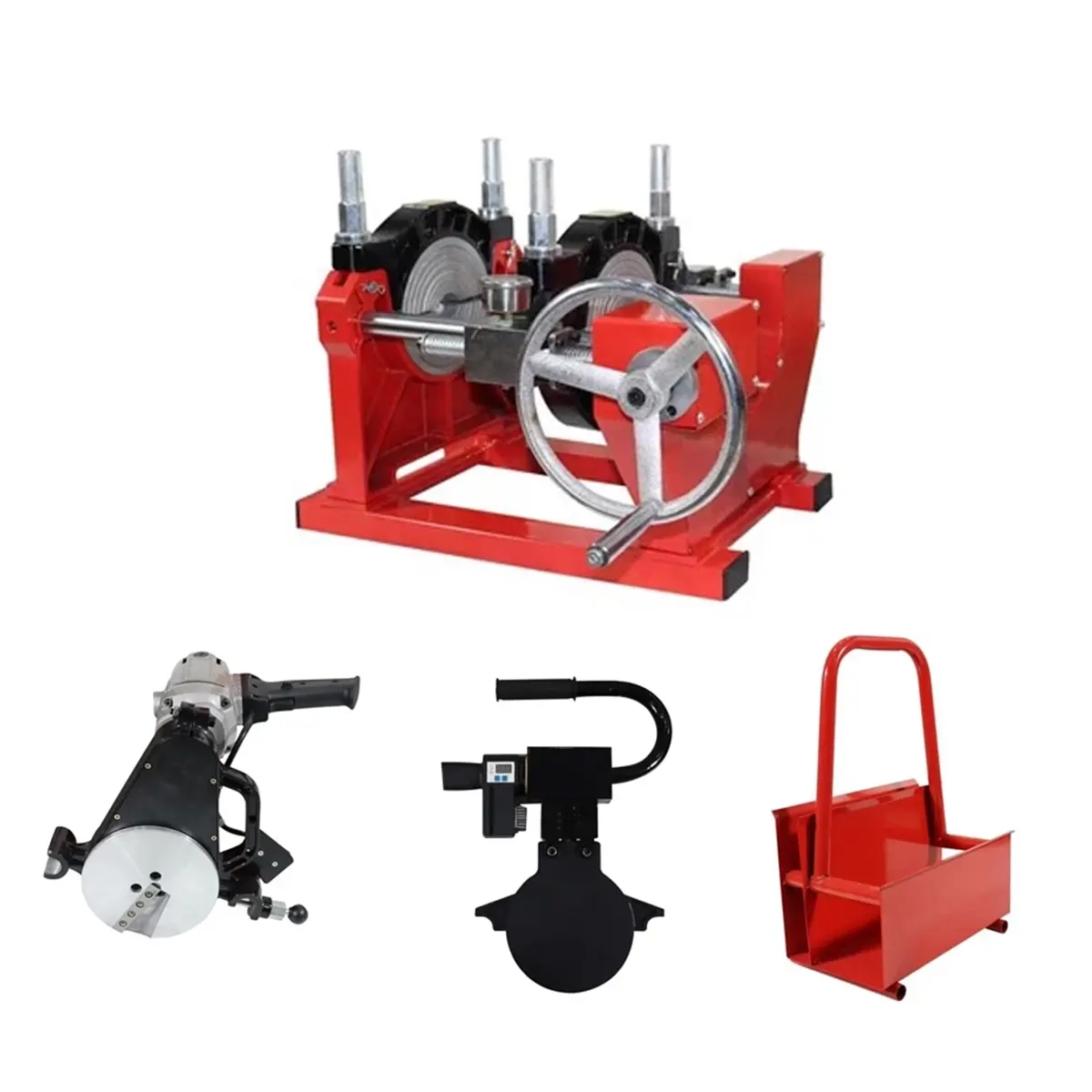
Working Principle of a Plastic Pipe Welder
The plastic pipe welder working principle revolves around three fundamental stages: heating, fusion, and cooling. In butt fusion welding, the process follows a strict sequence to ensure joint integrity. Two pipe ends are clamped in the welder frame, and a heating plate precisely heated to around 200–220°C (392–428°F for HDPE) is inserted between them. The pipe ends are pressed against the plate, forming a molten bead. Once the correct heating time and bead size are achieved, the plate is removed, and the softened pipe ends are brought together under controlled force. The molten material intermixes and cools under sustained pressure, creating a joint stronger than the pipe itself.
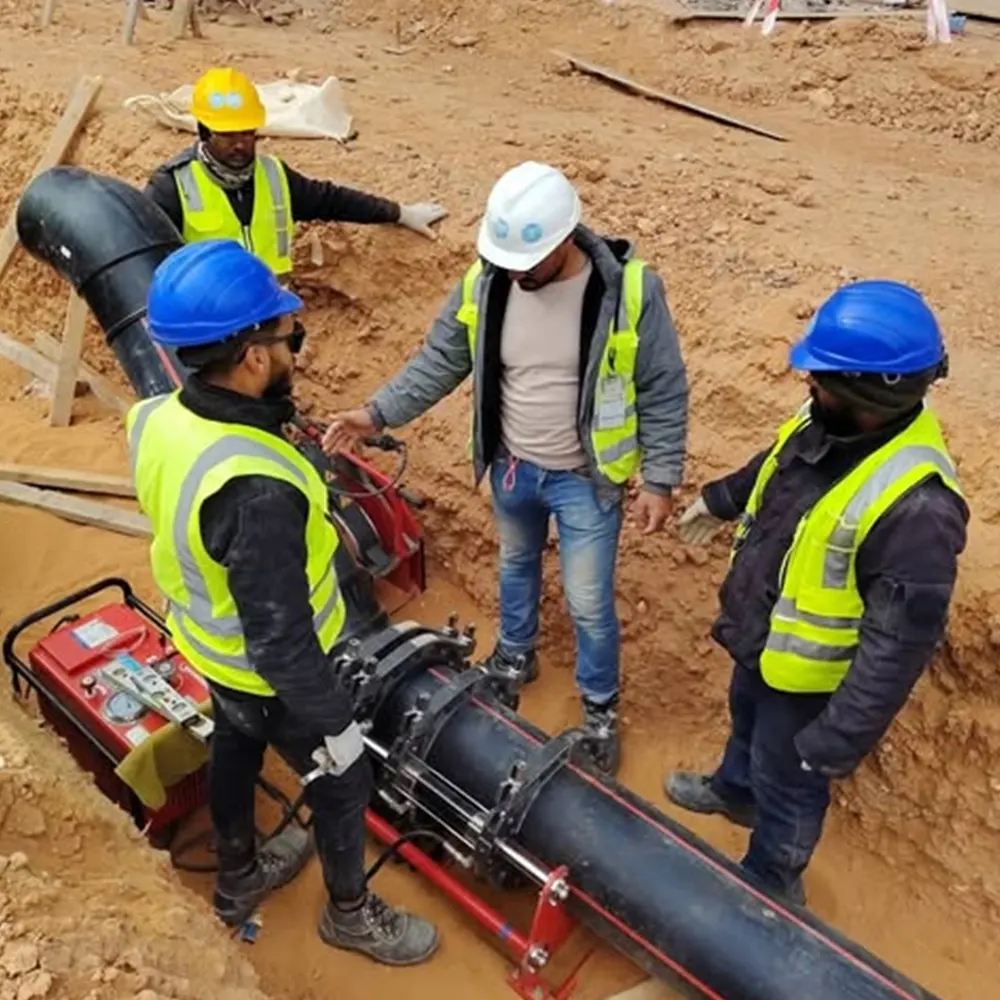
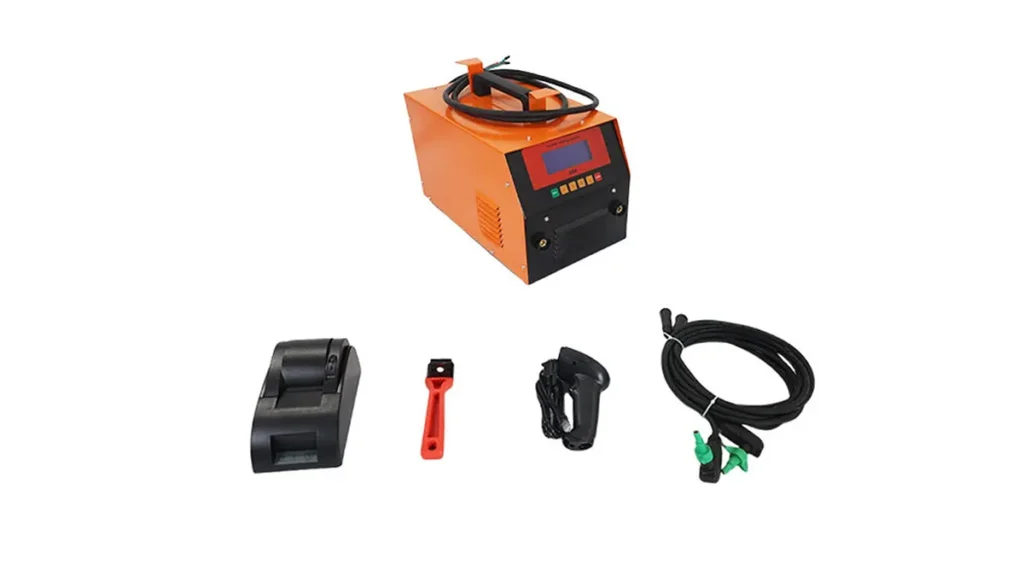
Electrofusion operates on a different principle. A fitting containing integrated resistive wire coils is placed around the pipe ends. An electrofusion control unit sends a precise electrical current through the coils, generating heat that melts the inner surface of the fitting and the outer surface of the pipe. As the material cools, a uniform, leak-free joint is formed. This method is particularly useful in tight spaces or for repair work where butt fusion equipment may be impractical.
Key Stages of Butt Fusion Welding
To fully grasp the plastic pipe welder working principle, it helps to break the butt fusion cycle into distinct phases. Each stage requires strict parameter control to meet standards like ISO 21307 butt fusion procedures.
- Clamping and Alignment: Pipe ends are secured in the machine clamps and aligned to minimize mismatch. High-low misalignment must be within allowable tolerances.
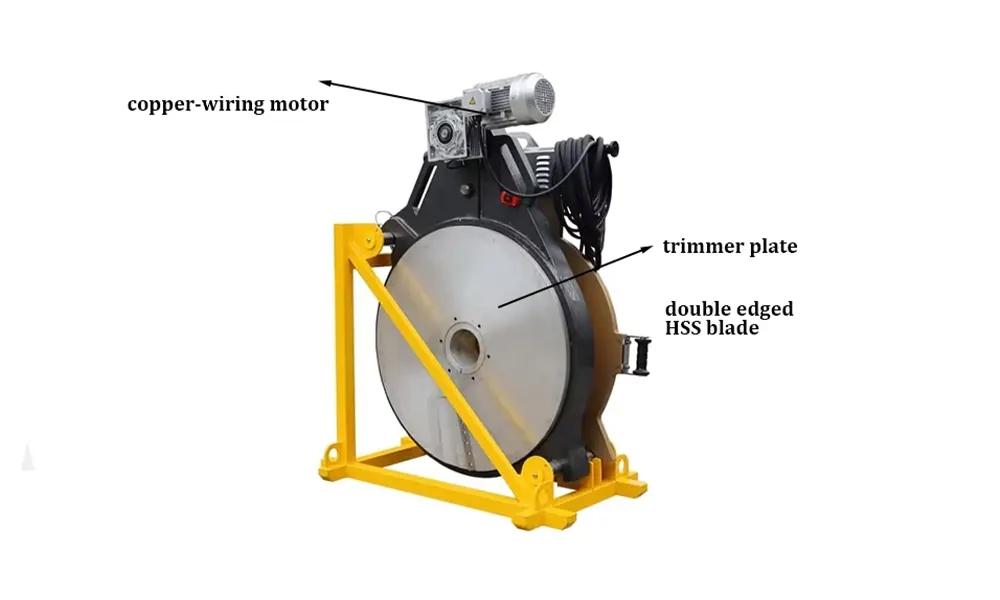
- Facing: A rotating planing tool trims both pipe ends simultaneously, creating clean, parallel surfaces perpendicular to the pipe axis.
- Heating: A non-stick coated heating plate set to the specified temperature is placed between the pipe ends. The pipes are pressed against the plate under controlled pressure until a uniform melt bead forms.
- Changeover: The heating plate is swiftly removed, and the pipe ends are inspected. This phase must be completed within the allowed dwell time to prevent premature cooling.
- Fusion Joining: The molten pipe ends are pushed together at a defined joining pressure. Melt material mixes and flows outward, forming a symmetrical double bead.
- Cooling: The joint is held under pressure until it cools sufficiently. Removing the pipe from the clamps too early can compromise joint strength.
Proper execution of each stage determines the weld quality. For detailed equipment specifications, refer to the PE butt fusion equipment standard (ISO 12176-1).
Types of Plastic Pipe Welders
Different project scales and pipe diameters call for specific welder types. The table below summarizes key categories and their typical use cases.
| Welder Type | Operating Mechanism | Pipe Diameter Range | Typical Applications |
|---|---|---|---|
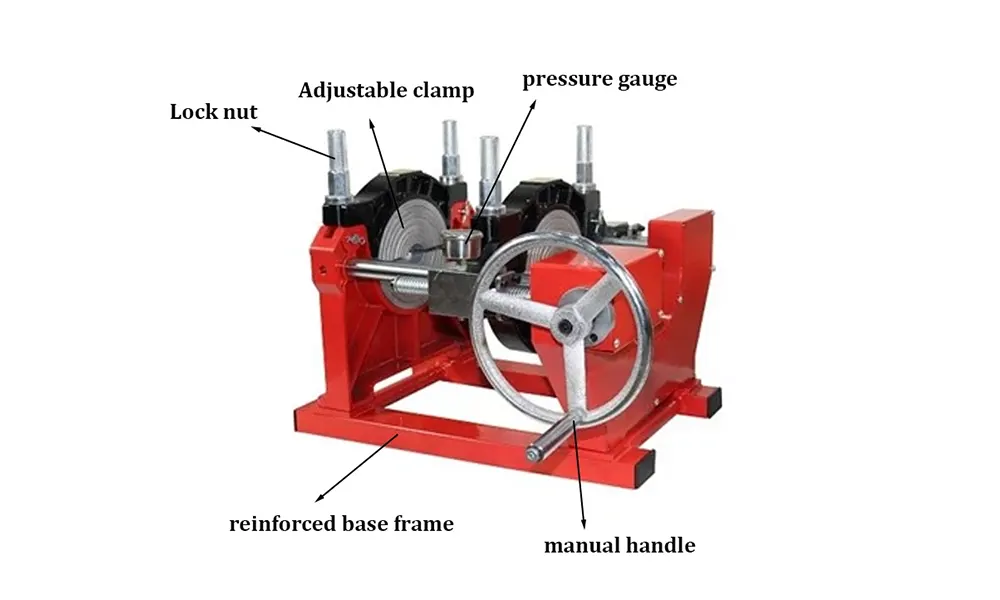
| Manual Butt Fusion | Hand-lever operated clamps | Up to 315 mm | Small water lines, rural plumbing |
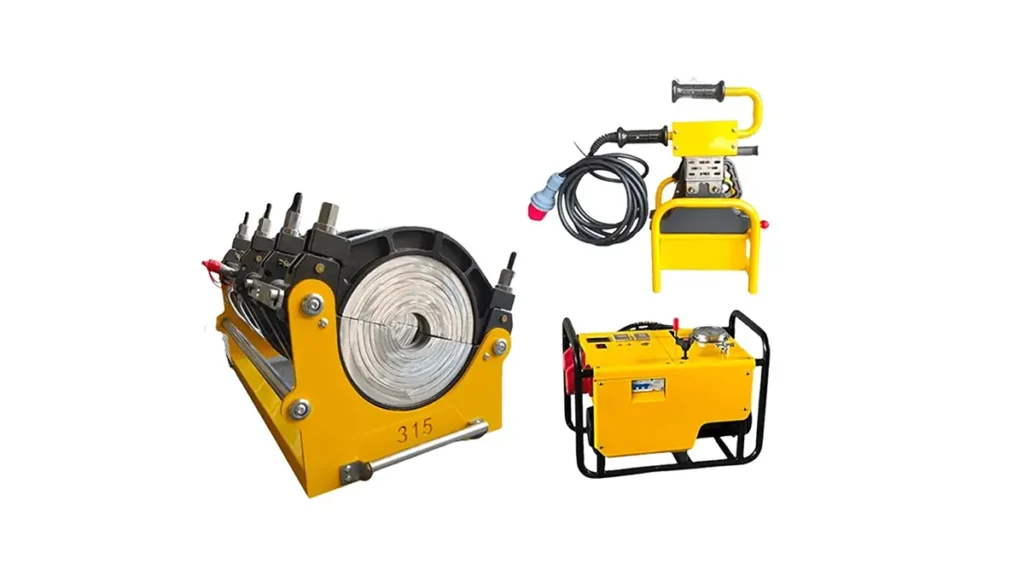
| Hydraulic Butt Fusion | Hydraulic power unit with control station | 160 mm – 2500 mm | Large water mains, gas distribution, mining slurry lines |
| CNC Automatic Butt Fusion | Programmable logic controller, automated cycle | 160 mm – 630 mm | Projects requiring traceable, repeatable welds |
| Electrofusion | Electronic control unit, embedded wire fittings | 20 mm – 1200 mm | Repairs, confined spaces, tie-ins |
| Multi-Angle Fitting | Specialized segmented clamps and frames | Up to 1200 mm | Fabricated elbows, tees, wyes, and custom segments |
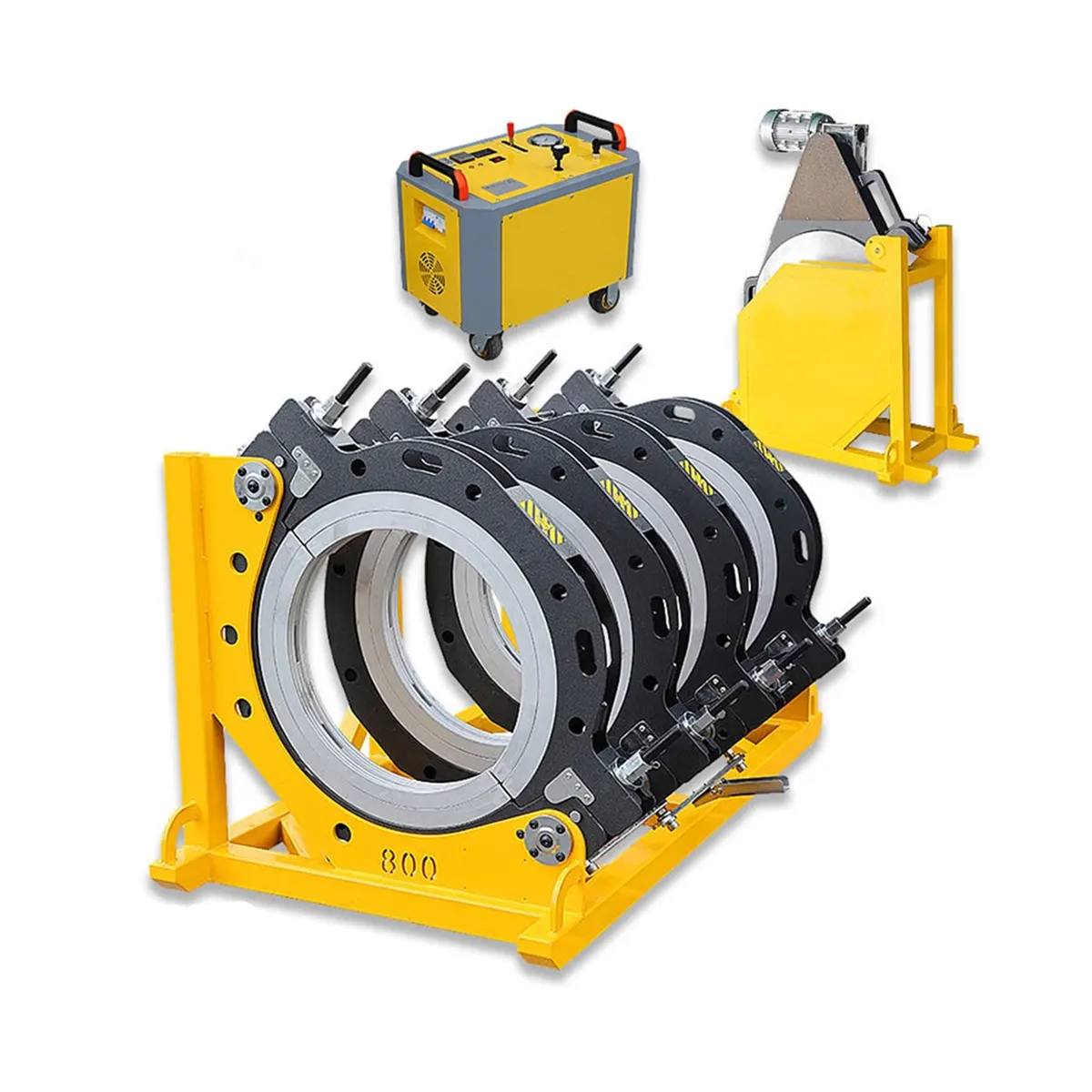
Factors Influencing Weld Quality
Achieving a strong, reliable weld depends on more than just the machine. The plastic pipe welder working principle must be supported by proper procedures, environmental awareness, and operator training.
Temperature Control
The heating plate must maintain a consistent surface temperature suitable for the pipe material. For HDPE, the typical range is 200°C to 220°C. Surface temperature sensors and regular calibration are essential. Overheating can degrade the polymer, while underheating results in poor intermolecular diffusion.
Pressure and Force
Fusion pressure is calculated based on pipe cross-sectional area and recommended interfacial pressure (standard 0.15 MPa for PE). Hydraulic machines use pressure regulators to maintain the exact force. Drag pressure compensation is critical when pipes are supported on rollers or slide on the ground.
Timing Parameters
Heating time, heat soak time, changeover time, and cooling time all follow defined specifications. Automatic machines log these parameters for quality assurance. Manual operations require disciplined stopwatch use and adherence to fusion procedure cards.
Pipe Preparation
Clean, dry pipe ends are fundamental. The facing step removes oxidized surface layers and ensures flatness. Scraping the pipe interior and exterior before electrofusion removes the oxidized skin, improving bond strength.
Environmental Conditions
Wind, rain, and extreme temperatures can affect heating and cooling rates. Welding tents or shelters are recommended for field work. Pipe and fitting surfaces must be protected from contamination throughout the process.
Common Applications of Plastic Pipe Welders
Plastic pipe welders are deployed across a wide spectrum of industries. The versatility of PE pipes, combined with reliable fusion joints, makes them the preferred choice for buried and above-ground piping systems.
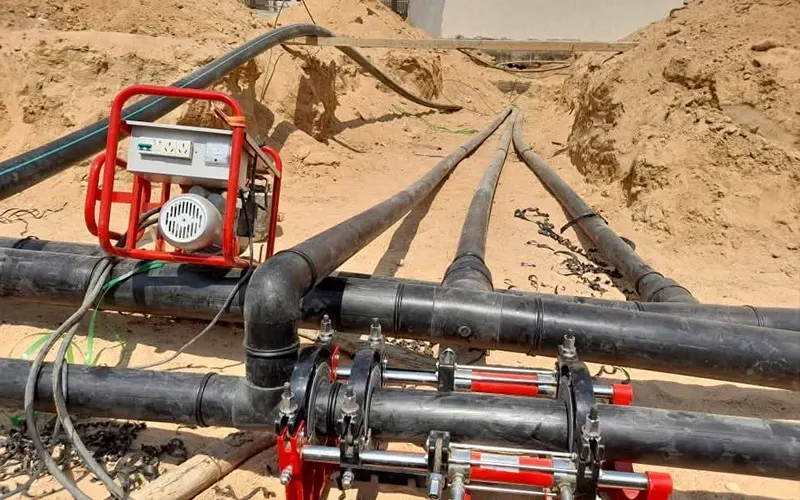
- Water Supply and Distribution: Municipal potable water mains, service connections, and treatment plant piping rely on butt fusion and electrofusion joints for leak-free performance over decades.
- Gas Distribution Networks: PE pipes are the primary material for natural gas and LPG distribution lines. Fusion welding ensures safety and compliance with strict regulations such as PE gas piping systems standards.
- Mining Industry: Abrasive slurry transport demands thick-wall HDPE pipes joined with rugged hydraulic welders. The smooth inner bore and joint integrity reduce wear and pressure drops.
- Industrial Process Lines: Chemical plants, power stations, and desalination facilities use PE and PP pipes for corrosive fluid handling. Fusion joints eliminate leak paths and resist chemical attack.
- Dredging and Marine: Floating dredge pipes are fusion-welded into long strings. The seamless joints withstand wave action and bending stresses.
- Landfill and Environmental: Leachate collection and methane extraction systems use fusion-welded HDPE pipes to prevent leakage into groundwater.
Maintaining and Calibrating Your Plastic Pipe Welder
Regular maintenance extends equipment life and ensures weld quality. Daily checks should include cleaning the heating plate coating, inspecting clamp jaw teeth for wear, and verifying hydraulic oil levels. Weekly checks involve testing the heating plate temperature with a calibrated surface probe and inspecting electrical cables. Monthly, hydraulic hoses and fittings should be examined for leaks, and control system accuracy should be validated. Annual calibration by a qualified service center is recommended to confirm all parameters meet manufacturer specifications. Detailed records of maintenance and calibration support compliance with quality assurance programs.
How JQ-Fusion Supports Your Pipe Welding Projects
JQ-Fusion is a professional manufacturer specializing in HDPE pipe welding machines, providing reliable butt fusion solutions for global infrastructure projects. With a comprehensive range spanning manual, hydraulic, CNC automatic, and electrofusion machines, the company covers pipe sizes from small diameters up to 2500 mm. Each machine undergoes rigorous testing, including temperature accuracy verification and clamp alignment checks, before leaving the factory. From standard models to custom-tailored welding solutions, JQ-Fusion helps contractors and distributors achieve efficient, precise, and traceable pipe joining performance backed by responsive global support.
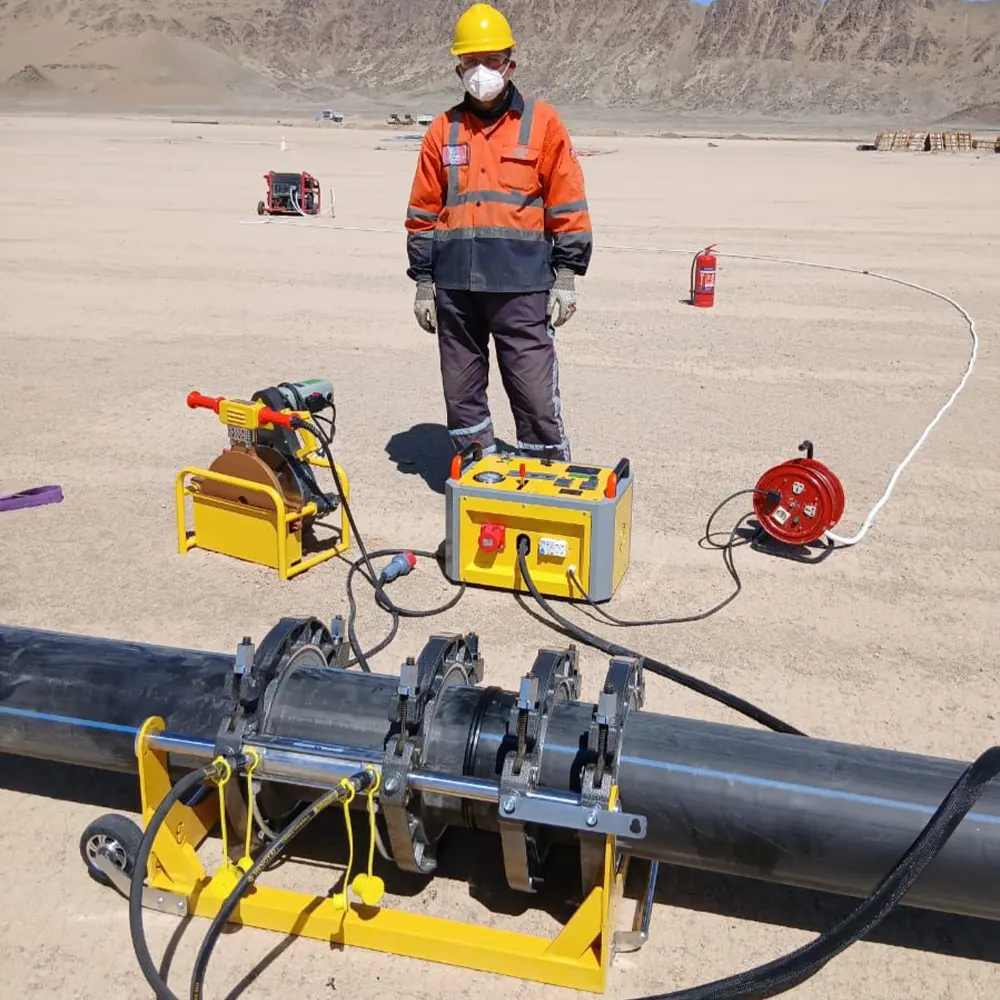
Selecting the right plastic pipe welder and adhering to the correct plastic pipe welder working principle directly impacts the longevity and safety of your piping system. Combining quality equipment with trained operators and standardized procedures yields fusion joints that perform reliably for the designed service life of the pipeline. For further information on fusion procedures, refer to resources like the PPI technical guidance library and the HDPE pipe fusion equipment section on PE100+.