
Rapid infrastructure growth across Uganda — from municipal water networks and rural irrigation to energy and pipeline projects — is driving strong demand for reliable HDPE pipe fusion solutions. Electrofusion machines provide precise, repeatable joints for HDPE fittings and are ideal for many Ugandan applications where consistent performance and low maintenance are essential.
Why Electrofusion Matters in Uganda
Electrofusion technology offers unique advantages for Uganda’s diverse project landscape. In rural water supply projects, electrofusion reduces the risk of leaks and contamination by creating uniform, controlled welds. For urban utilities and industrial sites, the method accelerates installation and minimizes the need for heavy excavation or complex mechanical couplings. Electrofusion is especially valuable where trained crews must create high-integrity joints quickly and with minimal rework.
Core Benefits for Local Contractors and Utilities
Consistent quality: Electrofusion eliminates many operator-dependent variables, delivering uniform fusion cycles and reliable seals across thousands of joints.
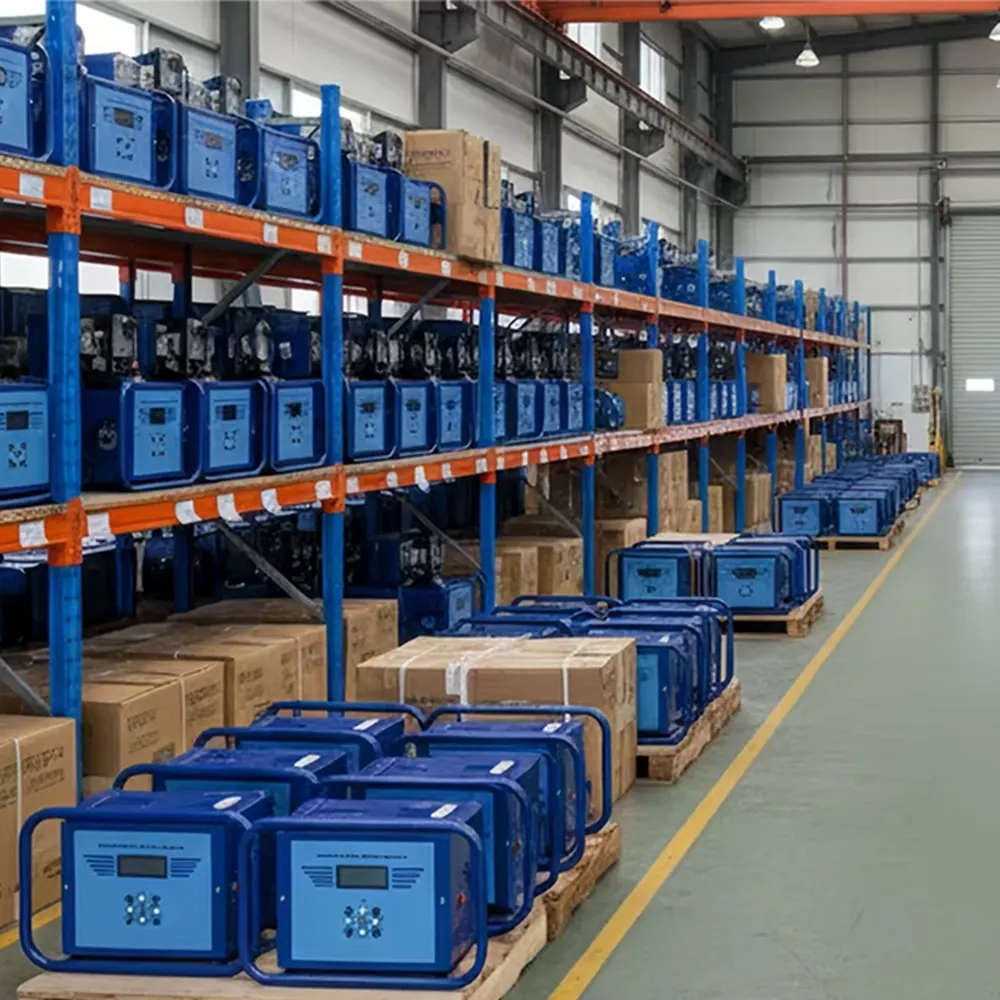
Portability: Compact electrofusion units are easy to move between urban streets, rural tracks, and remote sites in Uganda.
Reduced downtime: Faster joint cycles and fewer failed welds help projects meet tight schedules and reduce resource waste.
Key Features to Look For
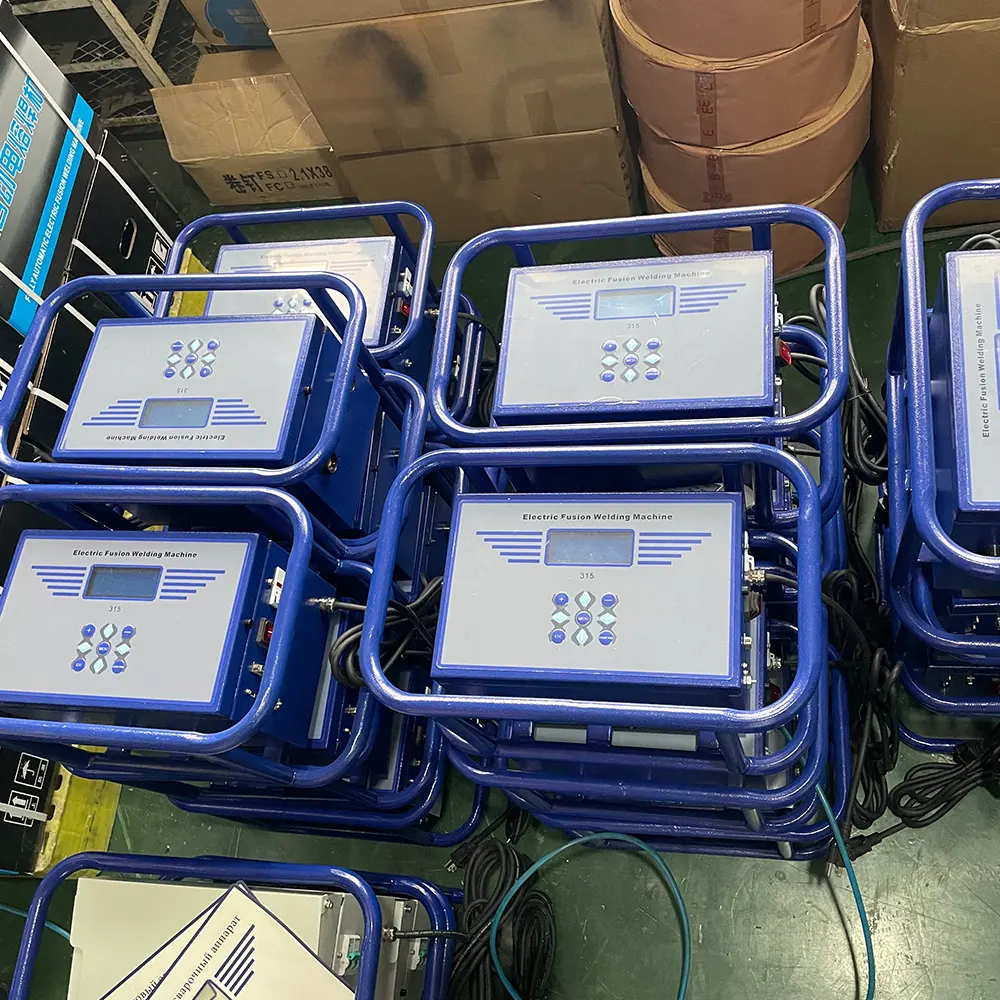
Digital control and presets — automated programs tailored to material and fitting types ensure predictable fusion profiles.
Power flexibility — models that support generator inputs or variable voltage are useful where grid stability varies.
Traceability — built-in logging and barcode scanning simplify QA/QC and long-term asset records for utilities and contractors.
Popular Models & Specifications
| Model | Pipe/Fitting Range (mm) | Power / Input | Best For |
|---|---|---|---|
| JQEA Electrofusion | 20–160 | 110–240V / generator | Rural networks & small-diameter mains |
| JQEB Heavy-Duty | 160–630 | 220–380V | Industrial & large mains |
| Portable Handheld Unit | 20–110 | 12–24V (battery options) | Field repairs & remote locations |
Choosing the Right Machine for Uganda Projects
Site conditions in Uganda vary widely — from dusty construction zones in Kampala to riverside installations in rural districts. When selecting equipment, consider: local power availability, typical pipe diameters used on projects, the frequency of joint inspections required by clients, and the operator skill level. For long-term cost efficiency, prioritize machines with simple maintenance, widely available spare parts, and modular repair options.
Installation, Training & Standards
Successful outcomes depend on solid training and adherence to international standards. Operators should be trained in surface preparation, correct clamping, and fusion parameter verification. Electrofusion systems that include logged fusion reports or barcode scanning help meet EN and ISO documentation requirements often requested by international funders and EPC contractors working in Uganda.
After-Sales, Spare Parts & Local Support
Look for suppliers who can supply consumables and spare heaters quickly, and who provide remote technical support when on-site visits are not feasible. Machines with robust local warranty support and clear repair paths reduce downtime and protect project schedules.
How to Order
For tailored solutions, model selection advice, and lead times, contact JQ-Fusion through their website: https://jq-fusionwelding.com/. They can advise on the best electrofusion configuration for Uganda-specific projects, shipping, and operator training.



