
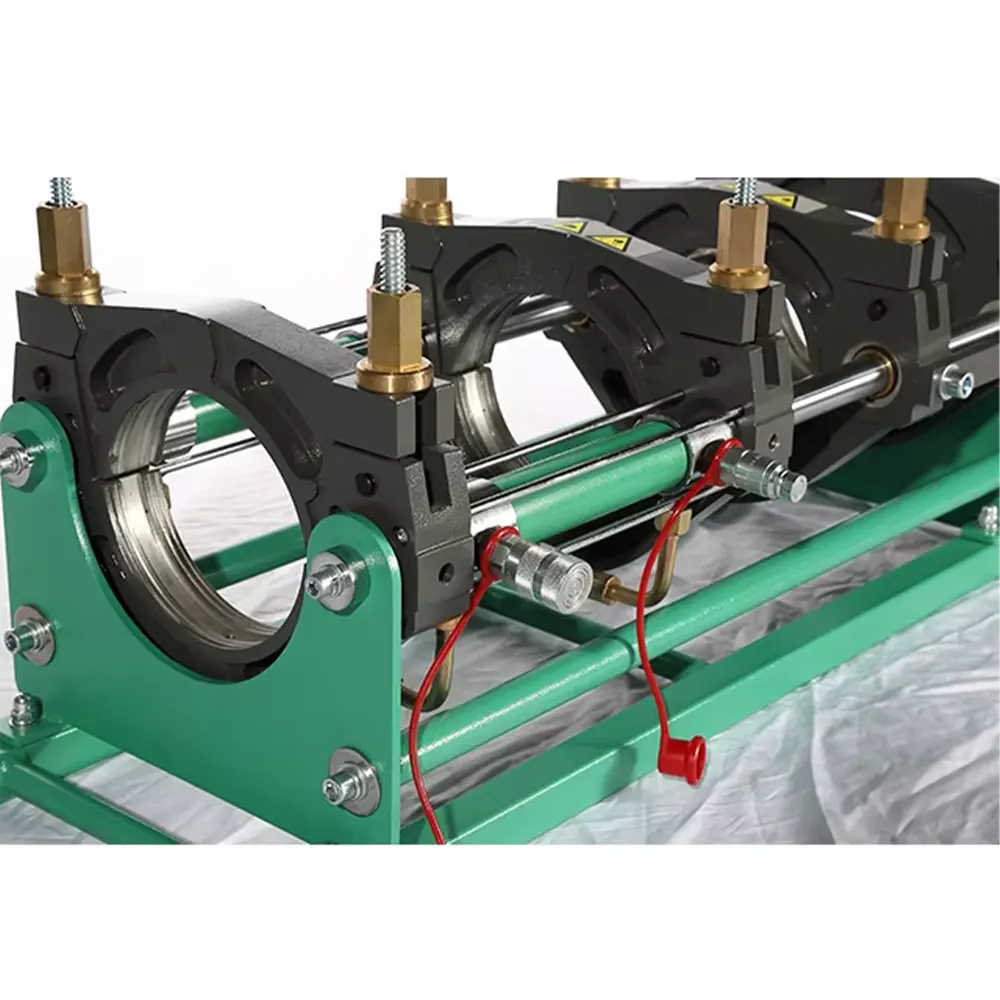
Effective poly fusion machine troubleshooting is essential for maintaining pipeline integrity and minimizing costly downtime. Whether you are working on water supply, gas distribution, or industrial piping systems, understanding the root causes of common fusion issues can significantly improve joint quality and operational efficiency. This guide covers the most frequent problems encountered with butt fusion welding machine equipment, along with practical solutions to help you get back on track quickly.
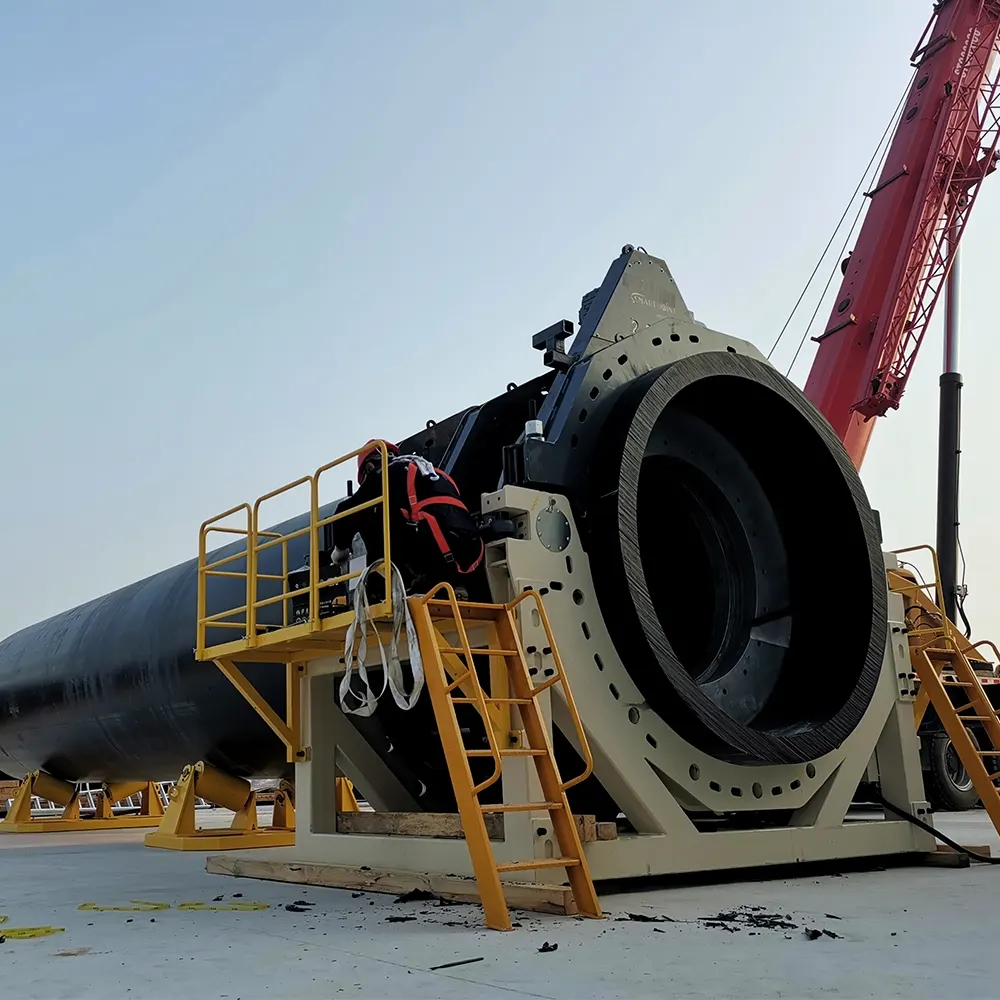
Common Poly Fusion Problems at a Glance
Before diving into detailed diagnostics, use the table below to quickly identify symptoms, potential causes, and recommended actions for your fusion equipment.
| Problem | Possible Cause | Recommended Solution |
|---|---|---|
| Cold Joint / Incomplete Fusion | Insufficient heating temperature or soak time | Verify heating plate temperature per ISO 21307 butt fusion procedures |
| Excessive Melt Bead | Overheating or excessive fusion pressure | Reduce heating time; check hydraulic pressure settings |
| Pipe Slippage in Clamps | Worn clamp inserts or incorrect clamping force | Inspect and replace clamp liners; ensure proper pipe alignment |
| Uneven Bead Appearance | Misaligned pipe ends or uneven facing | Re-face pipe ends; verify carriage alignment |
| Heating Plate Not Maintaining Temperature | Faulty thermostat, damaged heating element, or poor electrical connection | Test with calibrated thermometer; replace defective components |
| Hydraulic System Pressure Loss | Hydraulic fluid leak, air in system, or worn seals | Check fluid levels; bleed air from lines; inspect seals and hoses |
Heating Plate Issues: Diagnosis and Fixes
The heating plate is the heart of any hydraulic butt fusion welding machine. When it malfunctions, joint quality suffers immediately. Common symptoms include uneven surface temperature, visible hot spots, or failure to reach the set temperature. Always verify the plate temperature using a calibrated digital thermometer before starting work. The heating plate surface must be clean, free of polymer residue, and coated with a proper non-stick layer. According to ASTM F2620 heat fusion standards, temperature accuracy within ±10°C is critical for consistent results.
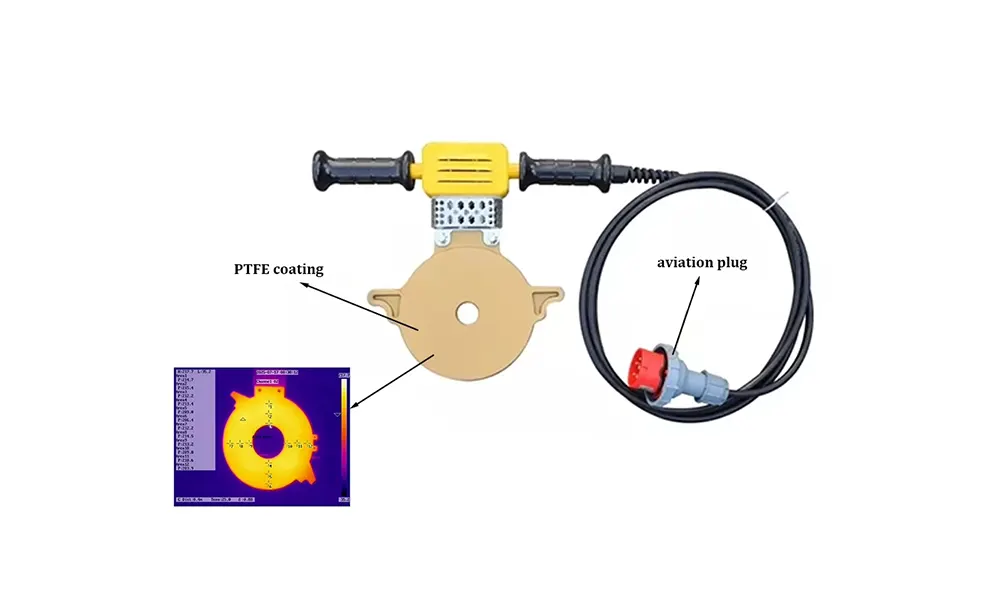
Key Heating Plate Checks
- Temperature Calibration: Use a digital pyrometer to verify the plate surface temperature matches the controller display. Recalibrate if deviation exceeds 5°C.
- Surface Condition: Inspect the non-stick coating for scratches, peeling, or polymer buildup. Clean with a non-abrasive cloth after each use.
- Electrical Connections: Loose wiring or corroded terminals can cause intermittent heating. Tighten all connections and check for signs of arcing.
- Thermostat Function: A faulty thermostat may cause temperature overshooting or failure to heat. Replace if readings are inconsistent.
Pipe Alignment and Clamping Problems
Proper alignment is fundamental to achieving strong, leak-free joints. When pipes are not correctly aligned in the clamps, the resulting fusion will have uneven bead formation and potential weak spots. This issue is particularly common with larger diameter pipes used in HDPE pipe welding projects. Check that all clamp inserts are in good condition, properly sized for the pipe diameter, and free of debris. The carriage frame should move smoothly along the guide rails without binding or excessive play.

Alignment Troubleshooting Steps
- Verify that both pipe ends are squarely cut and properly faced before fusion.
- Check clamp inserts for wear — replace if gripping surfaces are smooth or damaged.
- Ensure the carriage moves freely; lubricate guide rods if necessary.
- Confirm that both fixed and movable clamps are at the same height and parallel.
- For automatic butt fusion welding machine models, run the self-diagnostic alignment check if available.
Facing and Trimmer Blade Issues
A dull or damaged trimmer blade produces rough pipe ends that prevent proper fusion. The facing operation must produce smooth, parallel surfaces with minimal scoring. Inspect trimmer blades regularly for chips, dullness, or uneven wear. Replace blades as a set to maintain balance and cutting consistency. Proper blade maintenance also reduces the load on the trimmer motor, extending equipment life.
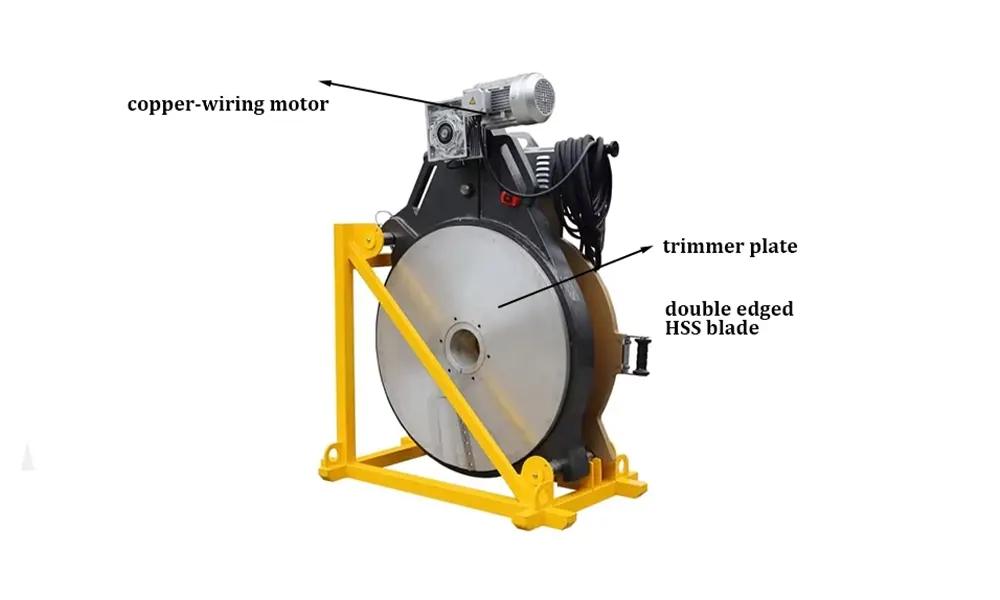
Trimmer Maintenance Checklist
- Blade Sharpness: Replace blades at the first sign of dull cutting or excessive shavings that appear torn rather than cleanly sliced.
- Blade Security: Ensure all blade bolts are torqued to specification — loose blades create uneven facing.
- Chip Clearance: Clean the trimmer housing after each use to prevent chip buildup that can interfere with blade rotation.
- Motor Performance: Listen for unusual noises or speed fluctuations that may indicate bearing wear or electrical issues.
Hydraulic System and Pressure Control Faults
Hydraulic systems power the fusion pressure on larger machines, and pressure inconsistencies directly impact joint quality. Low hydraulic fluid, contaminated oil, or worn pump components can all cause pressure fluctuations. Regular fluid changes and filter replacements are essential maintenance tasks. The PE butt fusion process relies on precise pressure control during the heating, soaking, and cooling phases, making hydraulic reliability non-negotiable.
Hydraulic Troubleshooting Guide
- Pressure Drops During Fusion: Check for external leaks at fittings, hoses, and cylinder seals. Tighten or replace as needed.
- Slow Cylinder Movement: Air trapped in the hydraulic lines can cause spongy operation. Bleed the system thoroughly.
- Noisy Pump Operation: Cavitation from low fluid levels or clogged filters produces a whining sound. Top up fluid and replace filters.
- Inconsistent Pressure Readings: A faulty pressure gauge or transducer may give false readings. Cross-check with a calibrated gauge.
Preventive Maintenance: The Key to Reliable Fusion
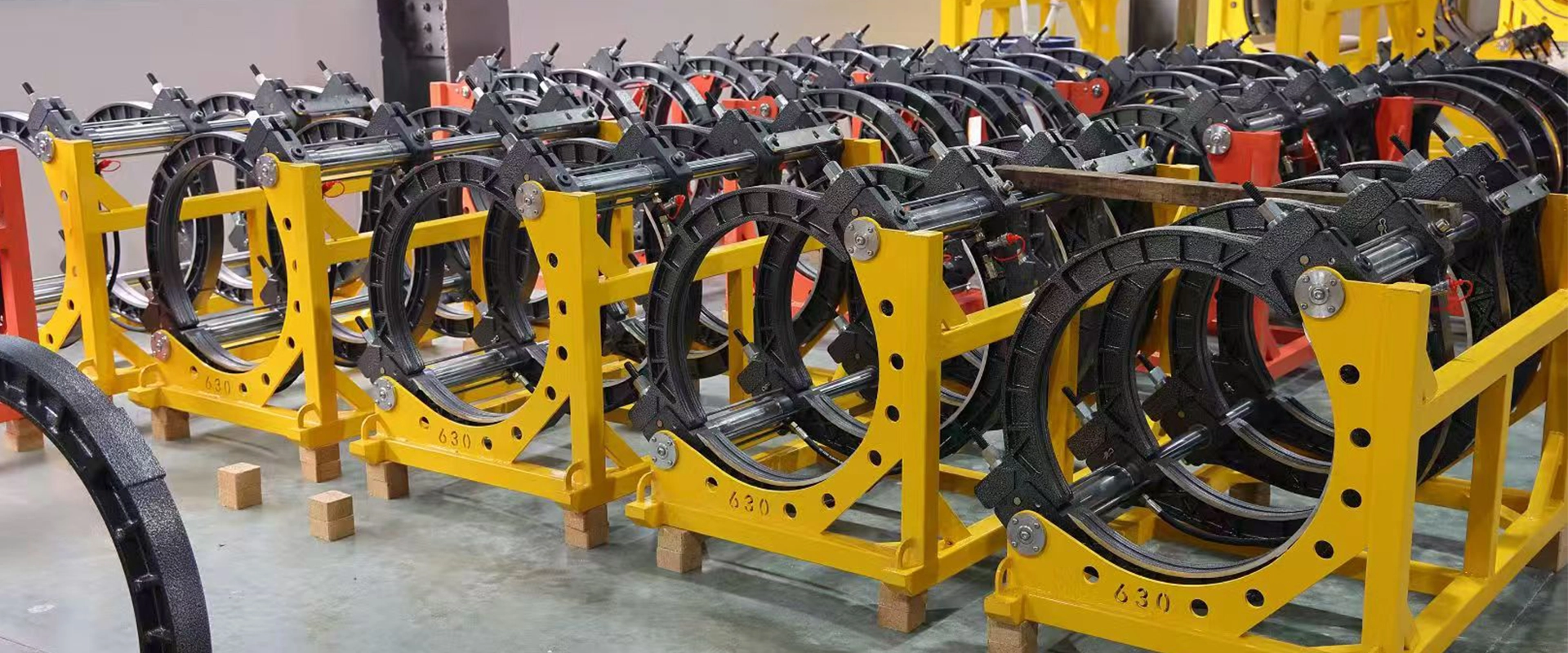
Many poly fusion machine troubleshooting scenarios can be avoided entirely with a consistent preventive maintenance program. Daily inspections, proper cleaning after each use, and scheduled component replacements keep equipment operating at peak performance. Document all maintenance activities, including temperature calibrations, hydraulic fluid changes, and blade replacements. This record-keeping helps identify wear patterns and predict when components need attention before they fail in the field. For comprehensive support resources, refer to equipment support documentation and frequently asked questions for model-specific guidance.
Daily Pre-Operation Checklist
- Inspect all electrical cables and connectors for damage or wear.
- Verify heating plate temperature with a calibrated thermometer.
- Check hydraulic fluid level and look for any visible leaks.
- Clean clamp inserts and ensure correct size for the pipe being welded.
- Test trimmer blade rotation and cutting performance on scrap material.
- Confirm carriage movement is smooth along the full length of guide rails.
When to Seek Professional Service
While many issues can be resolved through routine poly fusion machine troubleshooting, some problems require expert attention. If you encounter persistent temperature control failures, hydraulic pump damage, or structural frame issues, contact a qualified service provider. JQ-Fusion offers comprehensive after-sales support, including technical guidance, spare parts supply, and on-site service coordination for customers worldwide. Keeping your equipment properly maintained and promptly addressing emerging issues ensures consistent, high-quality fusion joints across all your pipeline projects.
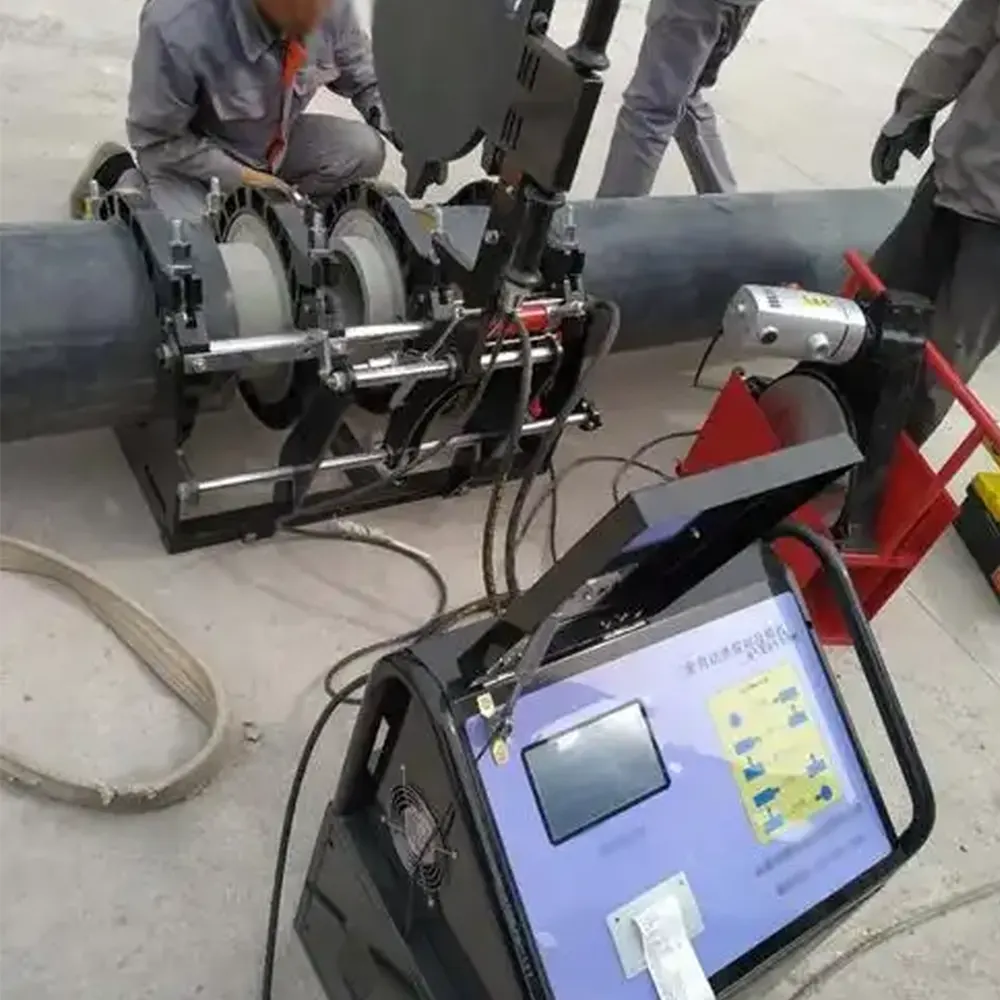
For additional information on fusion standards and best practices, consult the PPI butt fusion procedure guidelines and PE butt fusion equipment standard documentation. Regular operator training and adherence to manufacturer specifications remain the foundation of successful HDPE pipe joining operations.



