
Electrofusion technology delivers leak-proof, long-lasting connections for HDPE and other thermoplastic pipelines. For industrial projects where reliability, speed, and traceable welds matter, electrofusion welding machines are an efficient choice — offering precise heat control, minimal site preparation, and strong joints that meet regulatory standards.
Why Electrofusion for Industrial Pipe Fusion?
Electrofusion systems simplify onsite joining by integrating heating elements into fittings. When the controller supplies current, the embedded coil melts the fitting and pipe surfaces, creating a uniform molecular bond. This method reduces operator variability, cuts installation time, and produces joints that resist corrosion and pressure cycling — critical in water, gas, mining, and industrial piping systems.
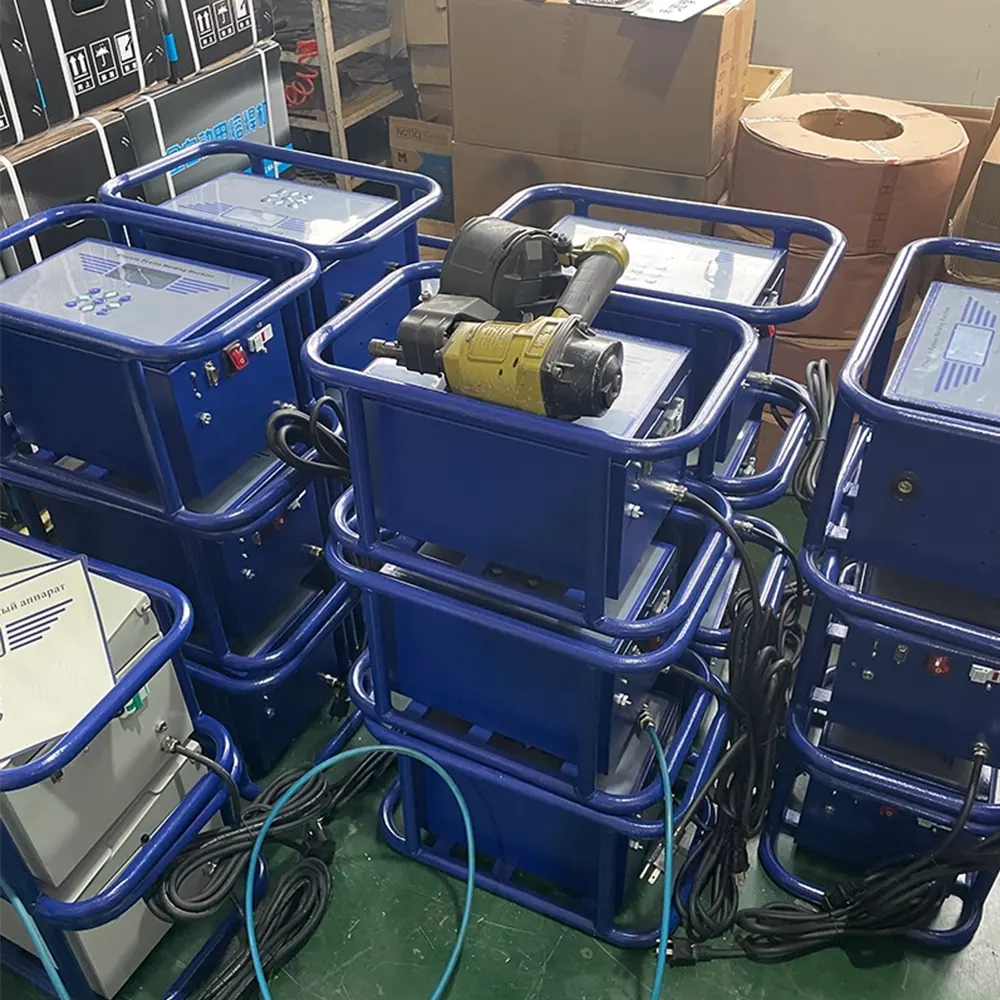
Core Benefits
Consistent joint quality — precise, programmable cycles and built-in sensors reduce human error. Traceability — many units log weld parameters for compliance. Portability, low maintenance, and compatibility with a wide range of fitting sizes make electrofusion ideal for both remote fieldwork and controlled plant environments.
Common Industrial Applications
Electrofusion is widely used across:
- Water and wastewater distribution and repair projects.
- Gas networks where leak-free performance and regulatory traceability are essential.
- Mining for slurry, dewatering, and tailings pipelines requiring robust joints.
- Industrial process piping where chemical resistance and pressure reliability are required.
Selecting the Right Electrofusion Machine
Choose a unit based on the application’s scale, fitment sizes, and site conditions. Consider these factors:
- Control and logging: digital controllers with data export are preferred for regulated projects.
- Compatibility: ensure the machine supports the fitting sizes and material types you use.
- Power source and portability — battery options or lightweight controllers for remote sites improve efficiency.
- Serviceability — access to spare parts and local calibration reduces downtime.
Quick Comparison: Electrofusion vs. Butt Fusion
| Feature | Electrofusion | Butt Fusion |
|---|---|---|
| Typical uses | Fittings, repairs, branch connections | Long straight runs, large diameters |
| Setup time | Fast; minimal alignment | Longer; requires heaters and clamps |
| Traceability | High (logged weld data) | Moderate (process records) |
| Ideal environments | Confined spaces, repair sites | Construction yards, factory settings |
Operation Best Practices
To maximize joint quality: always clean and square pipe ends, follow manufacturer welding charts, maintain clean heating plates and clamps, and document each weld using the controller logs. Regularly inspect cables, clamps, and connectors to prevent resistance losses that can affect weld integrity.
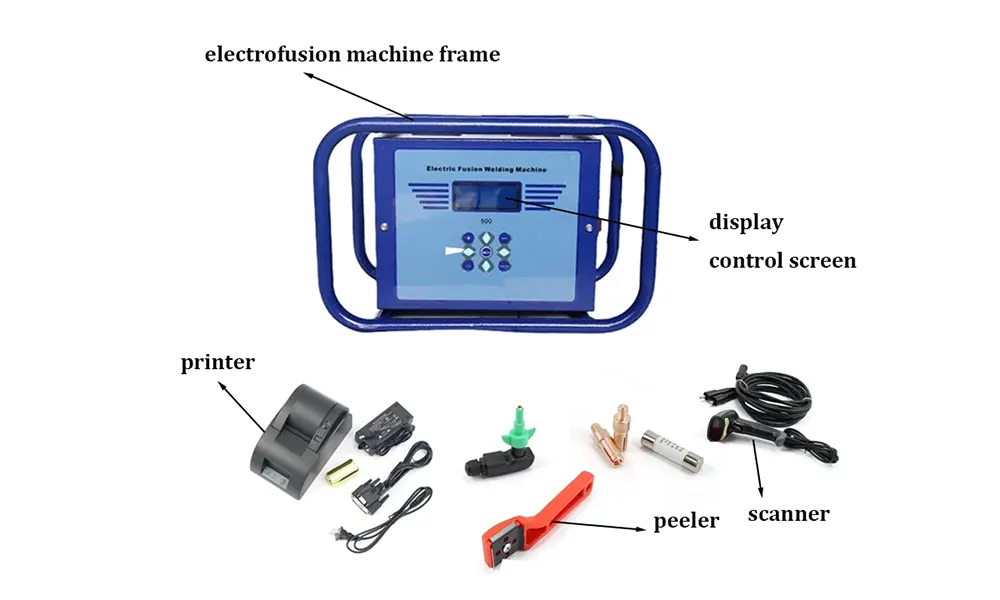
Maintenance & Support
Routine calibration, firmware updates, and certified training for operators ensure machines perform reliably over years of service. Field-friendly designs with modular components reduce repair time and keep projects on schedule.
Compliance and Quality
Choose equipment that supports recognized welding standards and offers weld logging for audits. For projects requiring documented quality control, a controller with exportable weld reports is invaluable.
About JQ-Fusion: JQ-Fusion is a professional manufacturer specializing in HDPE pipe welding machines, offering manual, hydraulic, and CNC automatic butt fusion and electrofusion equipment to support global infrastructure and industrial applications. Visit https://jq-fusionwelding.com/ for product details and support.



