
Butt welding machines are essential equipment for joining HDPE and other thermoplastic pipes across South Korea’s fast-growing infrastructure, utilities, and industrial projects. This guide explains the main types, typical uses in the Korean market, buying considerations, and practical tips to choose the right butt fusion solution.
Types of Butt Welding Machines Available in South Korea
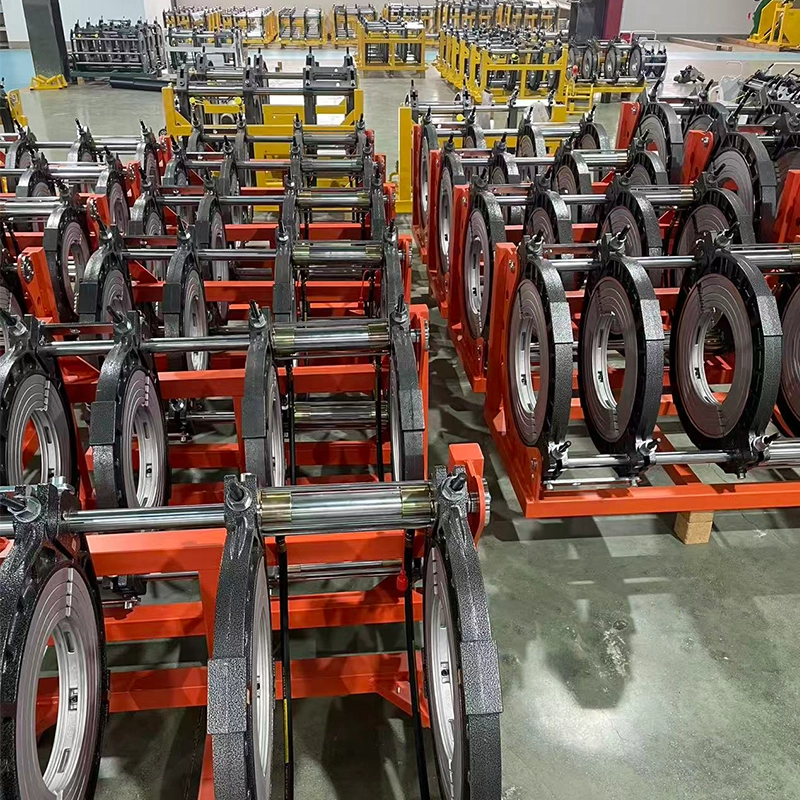
Manual Butt Fusion Machines — Portable, affordable units ideal for small-diameter pipes and on-site repairs. Common with municipal contractors and small installers working on water and irrigation networks.
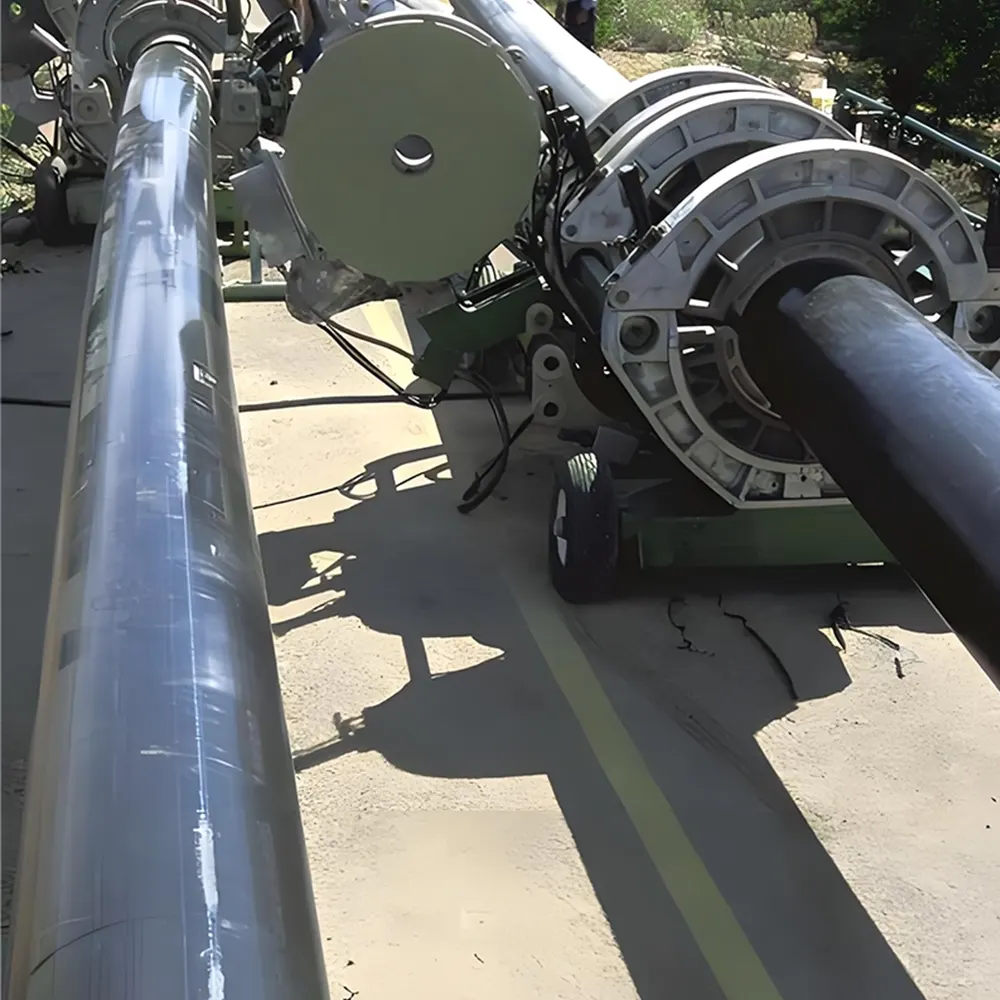
Hydraulic Butt Fusion Machines — Provide higher and more consistent clamping pressure for mid-to-large diameter pipes. Frequently used on urban utility pipelines, gas distribution and industrial applications where repeatable quality matters.
Automatic / CNC Butt Fusion Machines — Automated control of heating, alignment, and fusion parameters for improved consistency and traceability. Favored by major contractors and pipeline fabricators handling long runs or high-spec projects.
Electrofusion & Multi-Angle Fitting Machines — Electrofusion units are used for fittings and repairs where socket connections are required. Multi-angle fitting machines serve complex prefabrication of bends and tees used in pre-engineered systems.
Common Uses and Market Drivers in South Korea
South Korea’s dense urban infrastructure and large industrial base drive demand for reliable butt fusion equipment. Typical applications include:
-
Municipal water supply and sewer networks
-
Gas distribution networks and LNG-related piping
-
District heating and cooling lines in urban developments
-
Industrial and mining pipelines for chemical plants and factories
-
Underground utilities for large redevelopment projects and new smart-city initiatives
Local conditions — such as cold winters, tight urban workspaces, and stringent inspection standards — mean suppliers often need to offer portable machines, on-site training, and robust documentation for weld traceability.
Key Technical Factors to Consider Before Buying
Pipe Size & Material Compatibility: Confirm the machine supports the HDPE/PP diameter range used in your projects (from small service lines to large trunk mains).
Automation Level: Manual units suit occasional field repairs; hydraulic and CNC machines improve quality and throughput for production or high-spec contracts.
Portability & Power Options: For confined or remote Korean sites, choose lighter frames or units with battery / generator-ready controls.
Certification & Standards: Verify compliance with ISO, CE, and any applicable Korean standards (KS) or client-specific quality protocols. Traceable welding reports are often required for urban utilities.
After-Sales Support & Spare Parts: Look for suppliers with reliable spare parts supply, training programs, and where possible, local technical partners to reduce downtime.
Quick Model Comparison
| Model | Type | Pipe Range (mm) | Automation | Best For |
|---|---|---|---|---|
| JQA160 | Automatic | 20–160 | CNC control | Small-to-medium production |
| JQH500 | Hydraulic | 63–500 | Semi-auto | Urban mains & industrial lines |
| Manual Frame Series | Manual | 20–315 | Manual | Field repairs & remote sites |
Note: Model names above are representative examples. Match the machine specification to your project’s diameter, throughput, and required documentation.
Maintenance, Training & Local Support Considerations
Planned maintenance is critical for consistent weld quality. Ensure your purchase includes:
-
Operator training on welding parameters and machine calibration
-
Spare parts availability and recommended inventory for seals, heaters and clamps
-
Service documentation and weld report software where required for Korean contracts
When possible, pick suppliers who provide remote diagnostics and clear spare-part lead times to minimize downtime on tight Korean project schedules.
Buying Checklist & Practical Tips
Before you place an order, confirm the following:
-
Exact pipe diameter range and wall thickness compatibility.
-
Required weld traceability and certification for local authorities or clients.
-
Portability and power options for urban vs. remote installations.
-
Warranty terms, training package and spare parts policy.
-
Lead time and shipping logistics to your project site in South Korea.
About JQ-Fusion: JQ-Fusion is a professional manufacturer specializing in HDPE pipe welding machines, providing reliable butt fusion solutions for global infrastructure projects. With years of industry experience, they develop manual, hydraulic, and CNC automatic butt fusion welding machines across a wide range of pipe sizes and applications. Visit https://jq-fusionwelding.com/ for product details and inquiries.



