
Butt welding machines are essential equipment for building durable HDPE pipeline networks across Ecuador — from urban water systems in Quito and Guayaquil to irrigation projects in the coast and remote mining and oilfield pipelines in the Andes and Amazon basin. JQ-Fusion (https://jq-fusionwelding.com/) supplies a range of reliable butt fusion solutions that help local contractors and utilities improve installation speed, joint integrity, and long-term leak prevention.
Why Butt Fusion Matters in Ecuador
Corrosion resistance, flexibility and long service life make HDPE pipes welded by butt fusion ideal for Ecuador’s varied climates and terrains. Compared with mechanical fittings, butt fusion produces homogenous joints that match the pipe’s strength, reducing maintenance costs for municipal water, gas distribution and agricultural irrigation systems. For mining and oilfield operations operating in remote regions, portable and robust welding units enable on-site repairs and reliable pipeline construction under challenging conditions.
Core Machine Types and Their Uses
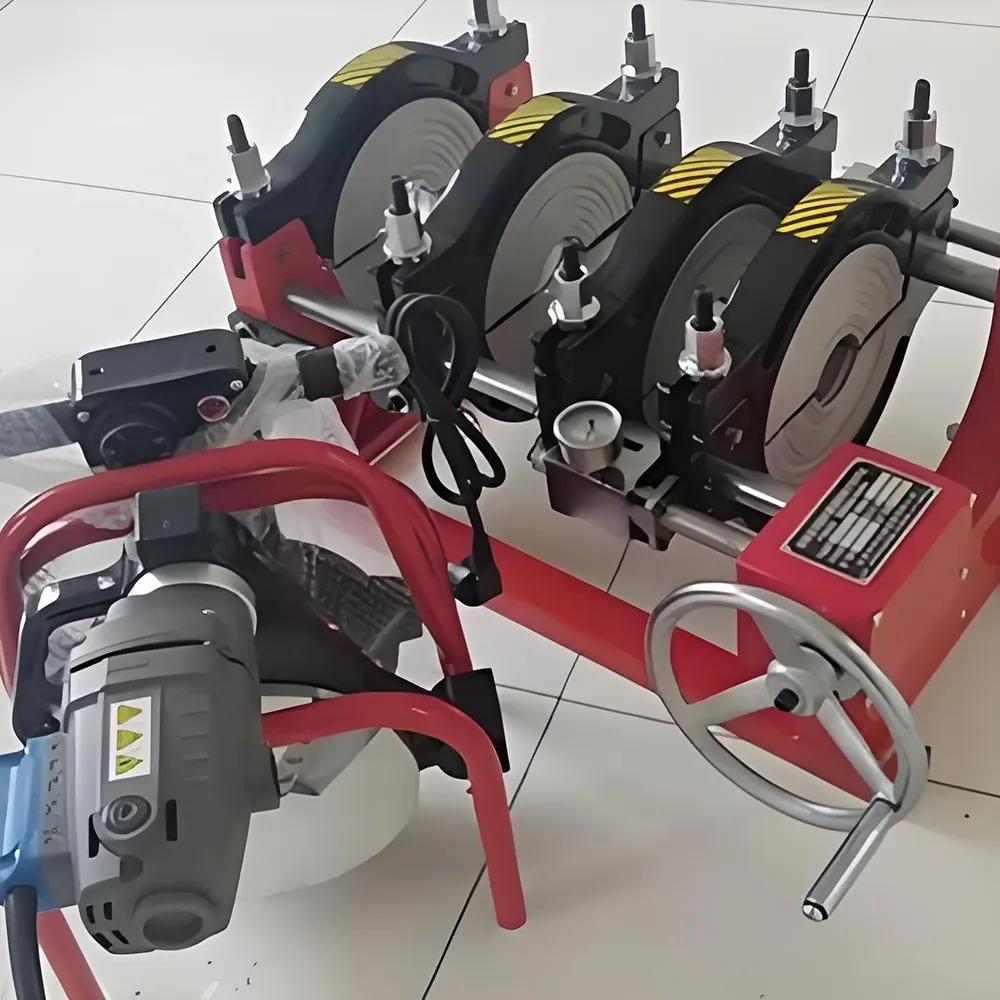
Manual machines — compact and simple, best for small-diameter pipes and field repairs.
Hydraulic machines — provide consistent pressure control for medium to large diameters and are suited for construction sites with heavy-duty demands.
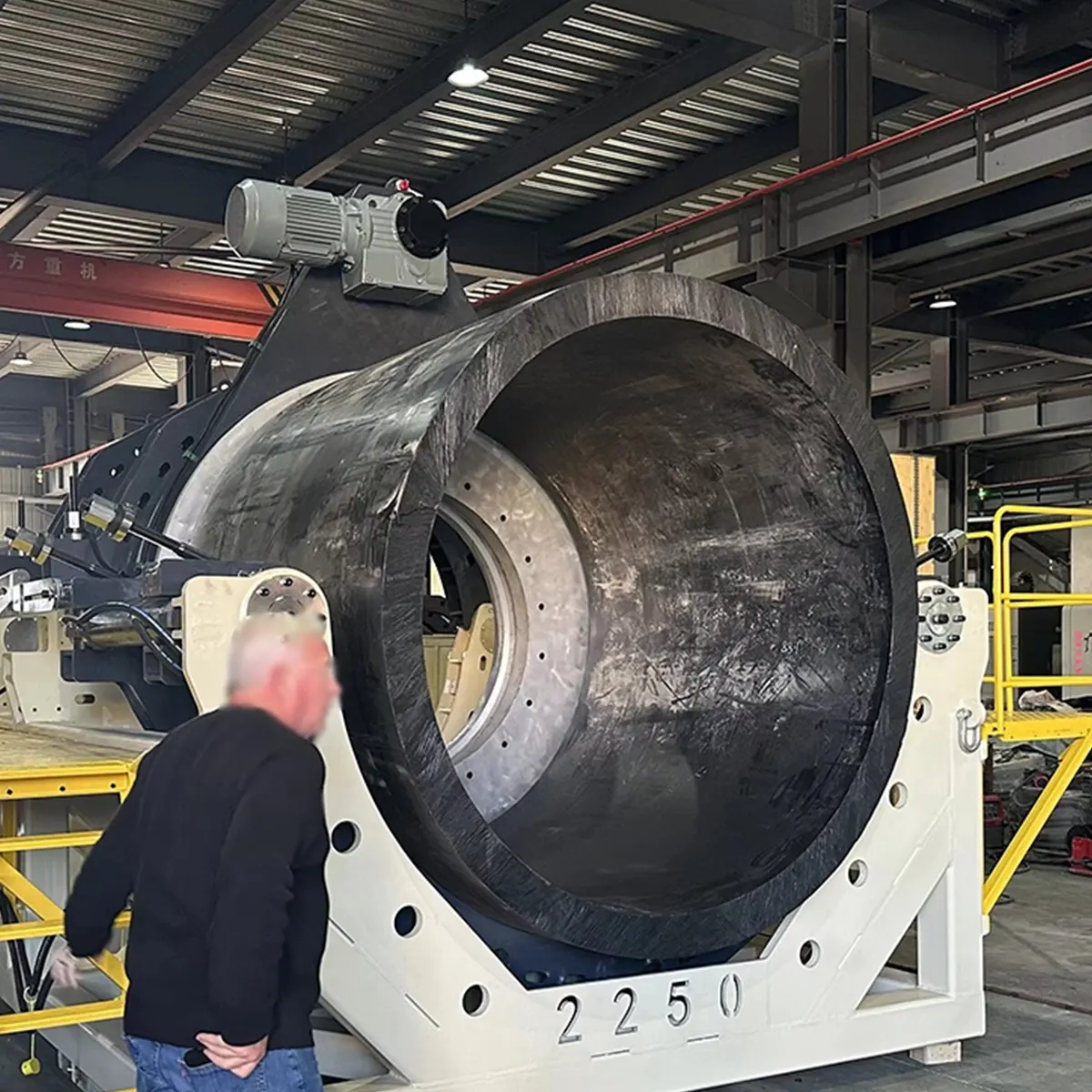
Automatic / CNC machines — ideal for long production runs, precision welding, and projects requiring traceable welding records for regulatory compliance.
Quick Comparison Table — Pick the Right Machine
| Machine Type | Typical Pipe Range | Best For |
|---|---|---|
| Manual Butt Fusion | 20mm–160mm | Small jobs, field repairs, limited budget |
| Hydraulic Butt Fusion | 63mm–1600mm | Municipal pipelines, irrigation, mining |
| Automatic / CNC Butt Fusion | 75mm–1250mm+ | High-volume projects, factory prefabrication |
Benefits for Ecuadorian Contractors, Utilities and Project Owners
Lower lifecycle cost: fewer leaks and less downtime compared with mechanical joints.
Portable options: lightweight manual and modular hydraulic units suit access-challenged Andean and Amazon construction sites.
Compliance and safety: automatic units provide process control and documentation that help meet municipal or industrial quality standards.
How to Choose the Right Butt Welding Machine — A Practical Checklist
• Evaluate the pipe diameters and SDR ratings you will weld most often.
• Consider site logistics: portability and power source availability in remote regions.
• Decide on required automation: do you need traceable welding data and repeatable cycles?
• Check service and spare parts availability to minimize project delays.
Installation Tips for Ecuador’s Diverse Environments
Perform trial welds under expected site conditions and document parameters (heating time, pressure, cooling time). For coastal and Amazon projects, plan packaging and transport to protect heating plates and clamps from humidity and rough handling. In high-altitude or cold Andean locations, adjust heating cycles as needed and always follow qualified operator training to ensure joint quality.
Final Note
Selecting the right butt fusion equipment makes a measurable difference in pipeline reliability across Ecuador’s urban, agricultural and industrial sectors. With the right machine type — manual, hydraulic or automatic — contractors can deliver durable HDPE pipelines that withstand local environmental challenges and reduce long-term maintenance costs.



