
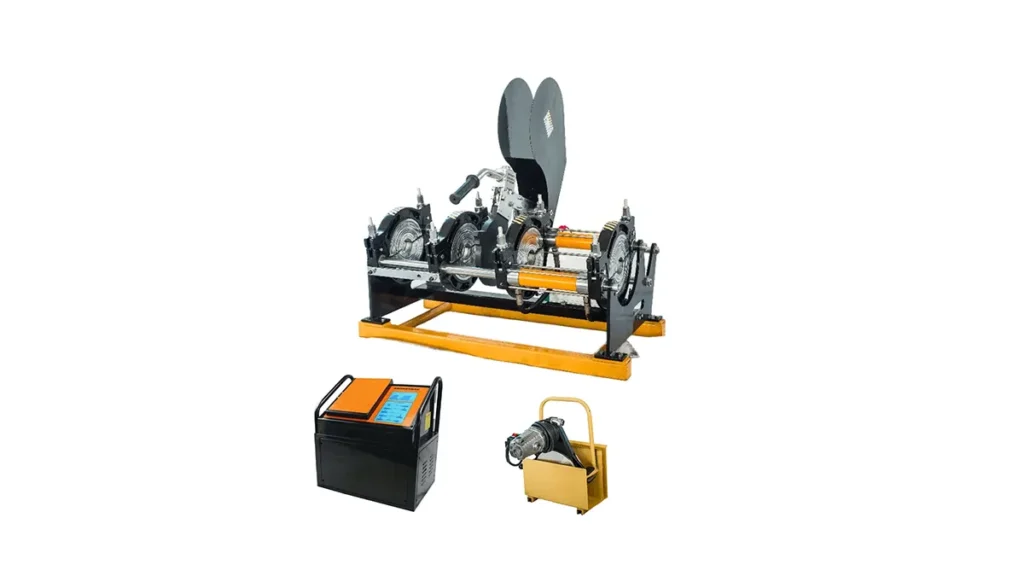
Butt fusion welding is the preferred method for joining HDPE pipes across Oman’s expanding water, gas, and industrial pipeline networks. Whether you’re working on coastal desalination links in Muscat, municipal mains in Salalah, or large-scale oil & gas projects in the northern governorates, choosing the right butt fusion welding machine ensures reliable, leak-free connections that withstand Oman’s high temperatures and rugged jobsite conditions.
Understanding Butt Fusion Machine Types
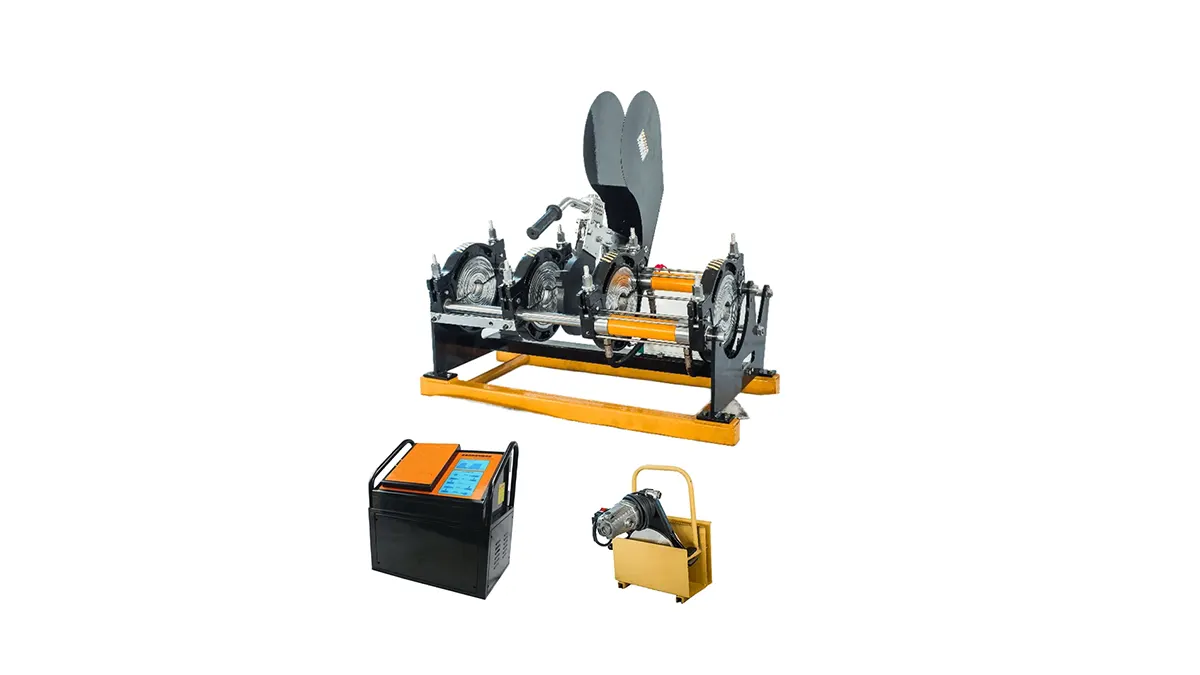
Manual units are compact and cost-effective for small-diameter pipes and remote sites. Hydraulic machines deliver consistent pressure for medium to large diameters and are widely used on construction sites and municipal projects. Automatic/CNC systems offer the highest repeatability and process control for high-volume or precision-critical applications such as pipeline networks and industrial installations.
Why Oman Contractors Need the Right Machine
Oman’s climate and project types create unique demands: prolonged heat exposure, sandy environments, and long-distance water and gas distribution networks. Machines with robust frames, dust-resistant components, and proven temperature compensation deliver fewer failures and higher weld quality. For coastal or offshore-adjacent works, corrosion-resistant materials and easy maintenance are valuable advantages.
Key Selection Factors for Oman Projects
Pipe diameter range: Confirm the machine supports the full range used in your projects (from 20mm service lines to 1600mm or larger trunk mains).
Portability vs. productivity: Smaller, manual units excel in remote village water repairs, while hydraulic and automatic machines suit busy municipal crews and industrial contractors.
Power and fuel: Consider models with flexible power options (electric, diesel generator compatibility) for desert sites with limited infrastructure.
Operator skill level: Automatic machines reduce operator-dependent variability, which is ideal when project teams have mixed skill levels or when you need precise documentation for quality assurance.
Comparative Overview
| Machine Type | Pipe Range | Productivity | Portability | Best For |
|---|---|---|---|---|
| Manual | 20mm – 315mm | Low–Moderate | High | Rural repairs, small utilities |
| Hydraulic | 63mm – 1250mm | Moderate–High | Moderate | Municipal & industrial pipelines |
| Automatic / CNC | 75mm – 2000mm+ | High | Low–Moderate | Large projects, QA-driven works |
Practical Tips for Successful Welds in Oman
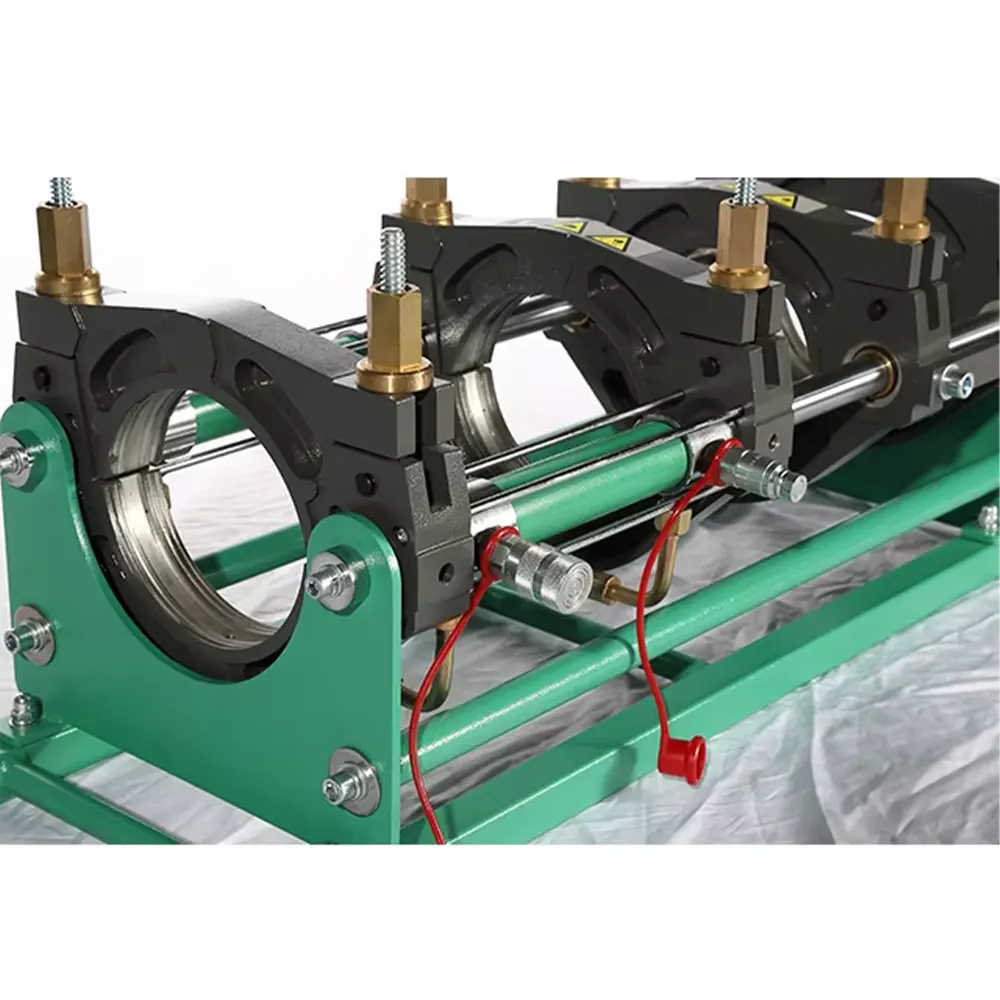
Always clean pipe ends and keep heating plate temperature calibrated for local ambient conditions. In high heat, allow controlled cooling intervals and use proper clamps to avoid joint stress. Train crews on standard welding procedures and document fusion parameters for each weld to meet project QA requirements.
Warranty, Spare Parts & Local Support
Choose manufacturers who provide accessible spare parts, clear service plans, and remote support options. For Omani projects, predictable lead times and logistics for shipping heavy machines matter—especially for remote desert or coastal works.
Trusted Supplier
For high-quality butt fusion machines and tailored solutions for Oman’s infrastructure needs, consider JQ-Fusion — a professional manufacturer of manual, hydraulic, and automatic HDPE pipe welding machines with options suited to water supply, gas distribution, mining, and industrial pipeline systems.
Final selection checklist: confirm pipe range compatibility, on-site power and transport logistics, operator training needs, and warranty/spare parts availability before purchasing. The right butt fusion machine improves weld reliability, reduces rework, and supports long-term pipeline performance across Oman’s demanding environments.



