
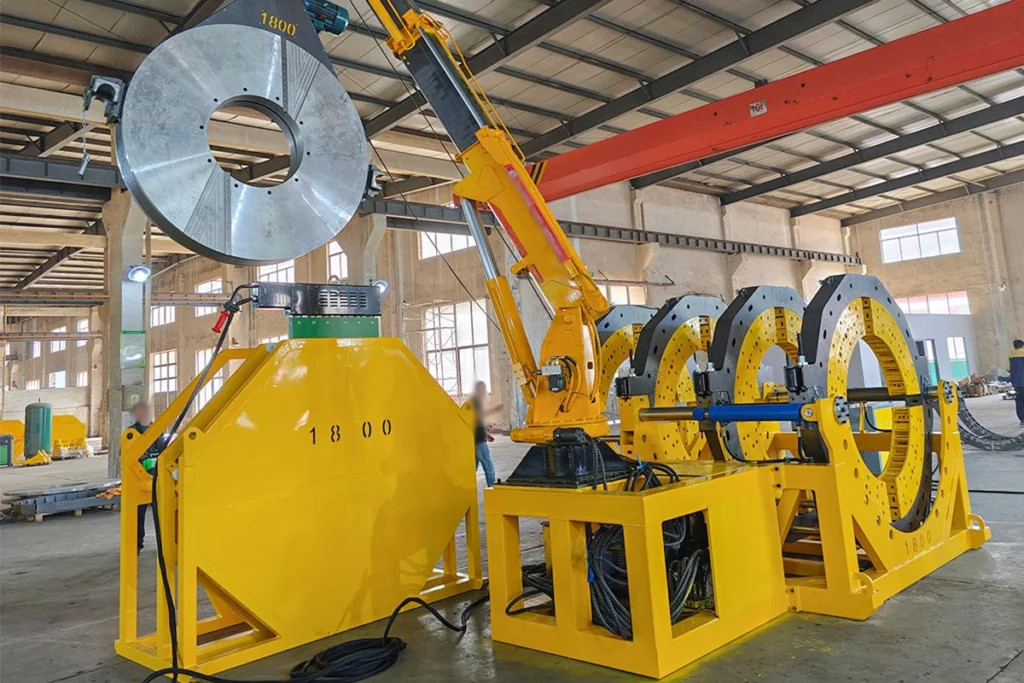
Introduction: Hydraulic Butt Fusion Machine Essentials
The hydraulic butt fusion machine is a cornerstone tool for HDPE pipe installation, offering reliable, high-strength welds for water, gas, mining, and industrial pipeline systems. This guide explains safe operation, routine maintenance, and practical troubleshooting to keep your equipment productive and compliant with site safety standards.
Why choose hydraulic butt fusion?
Hydraulic systems provide consistent pressure control, fast cycle times, and improved alignment for larger-diameter pipes. Proper operation reduces rework, minimizes leaks, and extends tool life.
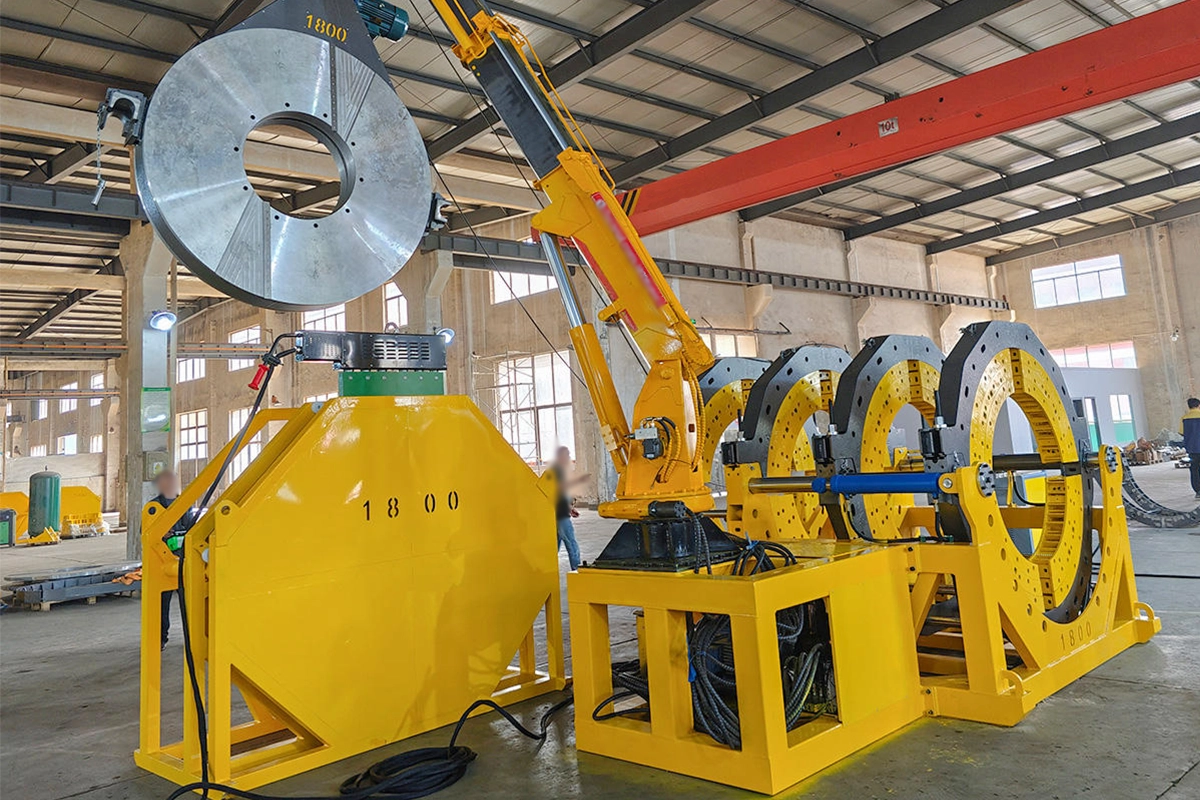
Pre-Operation Safety Checklist
Before starting any weld, run through this checklist to protect personnel and equipment. Keep this as part of your standard operating procedure.
-
PPE: Hard hat, safety glasses, heat-resistant gloves, steel-toe boots, and hearing protection as required.
-
Training: Only trained operators should run the machine; review the operator manual and local site protocols.
-
Work area: Clear the trench or workbench of debris; ensure pipes are supported and aligned.
-
Hydraulic inspection: Check hoses, fittings, oil level, and pressure relief valve for leaks or damage.
-
Electrical components: Verify heaters and controllers are rated for site power and have intact insulation.
Quick safety tips
Avoid wearing loose clothing around the rotating trimming tool, always use the heater guard, and never bypass pressure or temperature sensors.
Step-by-Step Operation Guide
Follow these steps for a standard butt fusion weld with a hydraulic machine:
-
Setup: Position pipe ends in clamps, ensure faces are square and gap is correct per pipe spec.
-
Facing: Use the trimmer to remove oxides and produce smooth, perpendicular faces. Clean the faces after trimming.
-
Preheat: Insert the heating plate. Apply contact pressure and wait until the prescribed melt bead forms (follow pipe manufacturer temperature).
-
Alignment and fusion: Remove heater, align pipes, and apply controlled hydraulic pressure to forge the molten surfaces together for the specified soak time.
-
Cooling: Hold pressure during cooling until the joint solidifies. Do not disturb the joint during the cooling cycle.
-
Inspection: Visually inspect bead appearance, measure bead size, and perform a destructive or non-destructive test if required.
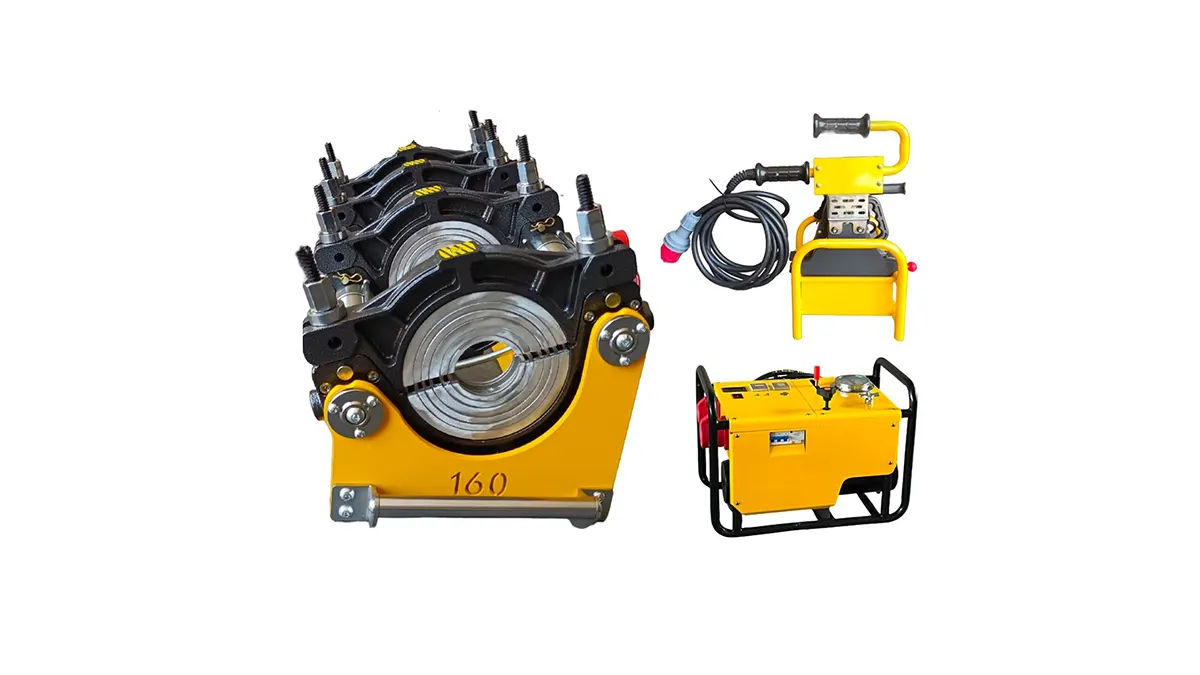
Maintenance Schedule & Best Practices
Routine maintenance prevents downtime and costly repairs. Use this practical schedule for daily, weekly, and monthly tasks.
Daily
-
Wipe down machine surfaces; remove plastic shavings and debris.
-
Check hydraulic oil level and quick visual inspection for leaks.
-
Verify heater plate and trimmer blades are clean and damage-free.
Weekly
-
Inspect hydraulic hoses and fittings for wear; torque bolts on clamps and frame.
-
Test pressure relief and control valves for proper function.
Monthly
-
Replace hydraulic oil and filter if operating in dusty or extreme-temperature conditions more frequently.
-
Calibrate temperature controllers and verify heater element resistance.
Troubleshooting: Fast Diagnosis & Fixes
Common issues and quick corrective actions to keep your project on schedule.
-
Soft or uneven melt bead: Check heater temperature, facing quality, and heater plate contact. Replace heater mat if worn.
-
Hydraulic pressure drop: Inspect for leaks, verify pump operation, and test relief valve setting.
-
Poor alignment or joint offset: Re-check clamp seating, clean clamp surfaces, and ensure pipe end preparation is square.
-
Controller errors: Reset controller, confirm power supply consistency, and consult the controller manual for error codes.
When to call service
If hydraulic seals fail repeatedly, the pump exhibits abnormal noise, or electronics show persistent faults, stop use and contact a qualified technician or the manufacturer.
Recommended Fusion Parameters (Reference Table)
Use this quick-reference table as a starting point. Always follow pipe manufacturer specifications and local codes.
| Pipe OD (mm) | Facing Time (s) | Heating Temp (°C) | Forge Pressure (bar) | Cooling Time (min) |
|---|---|---|---|---|
| 63 | 5–8 | 200–220 | 2–4 | 3–5 |
| 160 | 10–14 | 200–220 | 4–8 | 8–12 |
| 500 | 20–30 | 200–220 | 10–20 | 30–45 |
Quality Control & Testing
Ensure joint integrity with visual inspection, bead contour checks, and periodic sample testing (PE-FTIR, tensile, or destructive notch tests) depending on project criticality. Document weld parameters and results for traceability.
Pro tips for contractors
Keep a maintenance log, store heater plates flat and clean, replace facing blades before dullness affects weld quality, and train multiple crew members to avoid single-operator dependency.
Buying and Support
For robust, reliable hydraulic butt fusion machines designed for a wide range of pipe diameters, consider equipment from JQ-Fusion. Visit https://jq-fusionwelding.com/ for product lines, specifications, and after-sales support.
Final note
Following consistent safety checks, precise procedures, and a disciplined maintenance plan will maximize uptime and weld quality. Keep records of every weld cycle for auditability and continuous improvement.



