
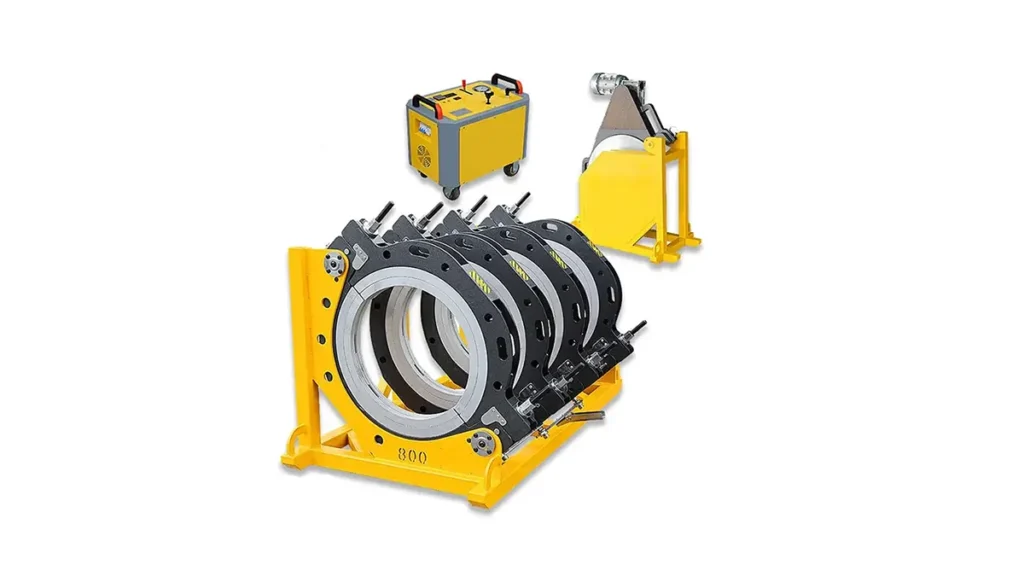
Guatemala’s infrastructure push — from municipal water upgrades in Guatemala City to irrigation lines for coffee and sugarcane farms in the highlands — demands durable, leak‑free piping solutions. For local buyers seeking a reliable butt fusion welder wholesaler, the right equipment and support can significantly shorten installation time and reduce long‑term maintenance. This guide explains why butt fusion is ideal for Guatemalan projects, what equipment to consider, and how to choose a wholesaler that understands regional needs.
Why Butt Fusion Welding Works Well in Guatemala
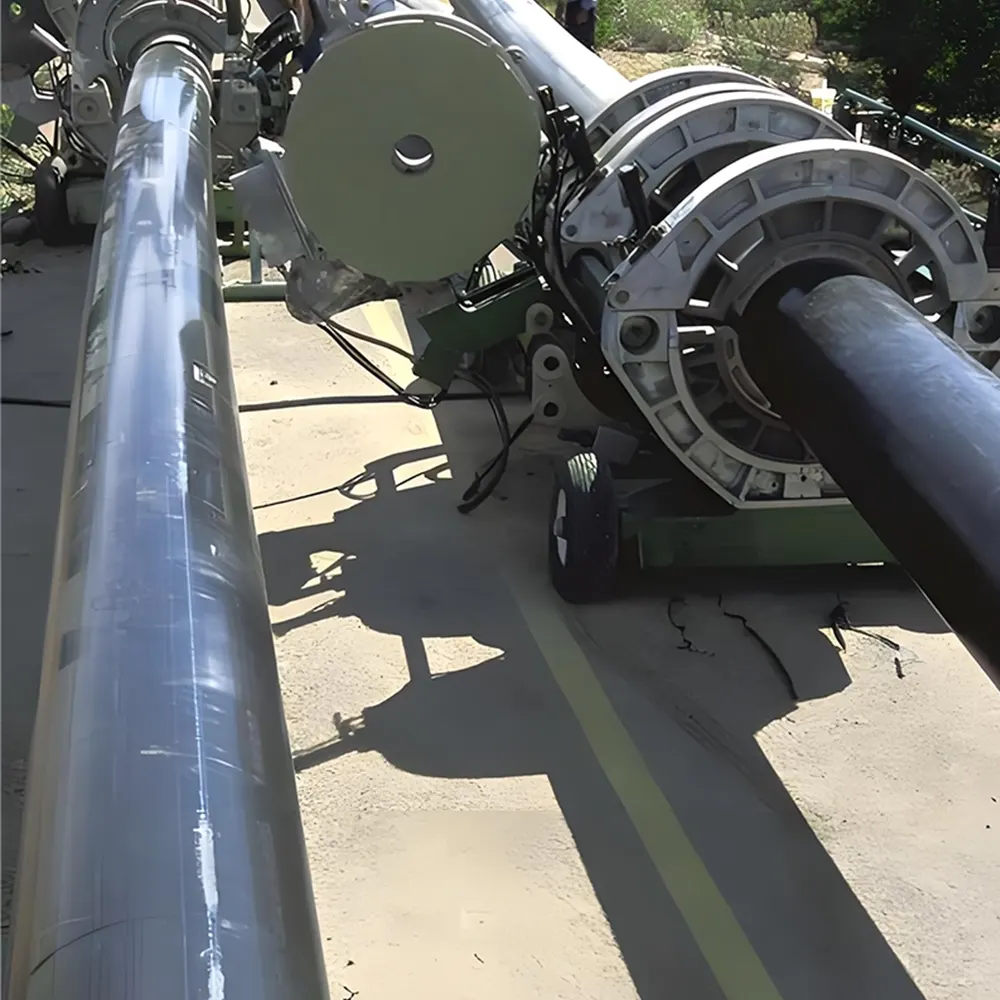
Leak‑proof joints and corrosion resistance — HDPE butt fusion produces homogeneous joints that eliminate leak paths common in mechanical couplings, a major advantage for potable water networks serving both urban and rural communities.
Flexibility for varied terrain — Guatemala’s mountainous regions and frequent seismic activity require piping systems that tolerate movement; fused HDPE lines perform well under ground shift and vibration.
Low maintenance for agricultural and mining use — irrigation channels for smallholder coffee farms and slurry pipelines in mining projects benefit from HDPE’s chemical resistance and long service life.
Equipment Types to Match Guatemalan Project Needs
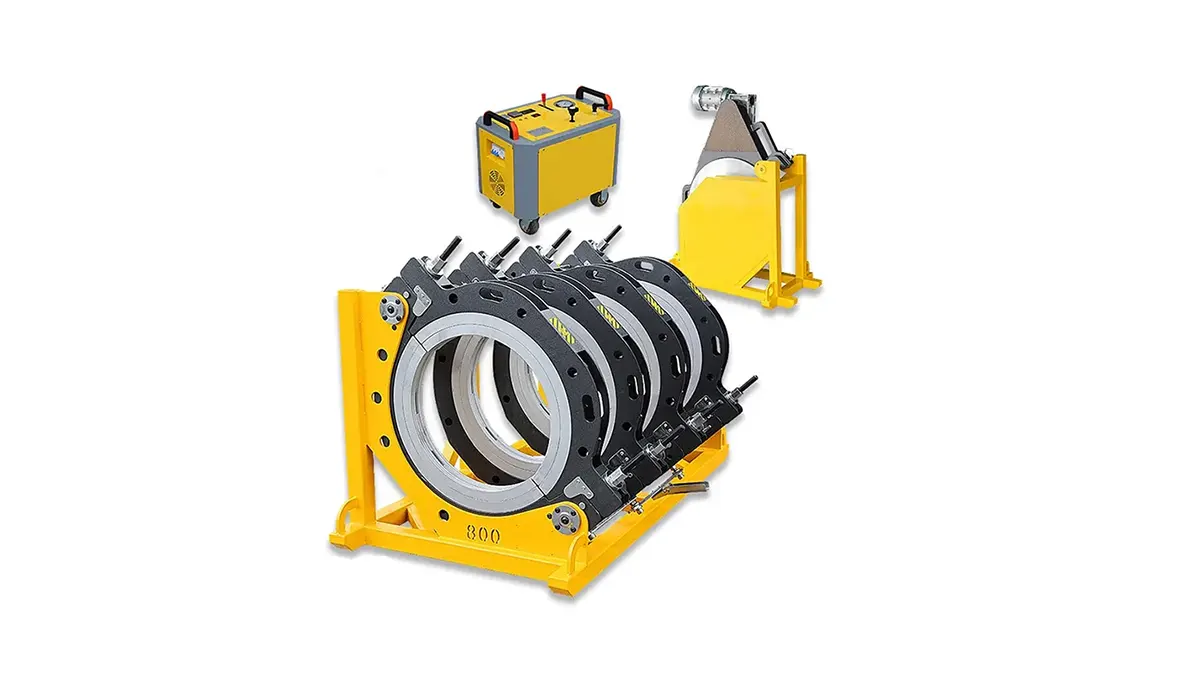
Choose between manual, hydraulic, and automatic (CNC) butt fusion machines depending on pipe diameter, site access, and production volume. Small municipal repairs and remote community projects often use compact manual units, while large distribution mains and industrial pipelines benefit from hydraulic or automated machines for repeatable, certified welds.
| Model | Type | Diameter Range | Best For |
|---|---|---|---|
| JQH160 / JQH250 | Hydraulic | 63–250 mm | Local water mains, irrigation distribution |
| JQH630 / JQH800 | Hydraulic | 315–800 mm | Large municipal pipelines, industrial |
| Automatic CNC Series | Automatic | 75–630 mm+ | High‑volume projects, certified weld records |
Key Questions for Guatemalan Buyers When Choosing a Wholesaler
Spare parts availability: Ask about local stock of heaters, hydraulic components, and clamping jaws to avoid long downtime when projects are remote.
Training & technical support: Confirm whether operator training in Spanish is available and if on‑site commissioning can be arranged for crews in departments like Sacatepéquez and Quetzaltenango.
Warranty & service network: A robust warranty and nearby service partners reduce costs for municipalities and contractors working outside major ports.
Customs and delivery: Verify shipping options to Puerto Quetzal, Puerto San José or overland routes into the highlands — lead times matter for rainy season scheduling.
Logistics, Standards & Local Applications
Guatemala’s climate — heavy seasonal rains, high humidity, and varied altitudes — calls for machines built to withstand field conditions. Buyers should prioritize equipment compliant with international standards (e.g., PE100 compatibility, ISO production controls) and request documentation for weld traceability when bidding for public works or large private developments.
Project use cases in Guatemala: potable water distribution upgrades in urban areas, irrigation networks for coffee/cooperative farms, sewer and drainage rehabilitation, gas distribution retrofit in growing urban neighborhoods, and industrial pipelines supporting mining operations.
For dependable manufacturing, model variety, and export support tailored to global infrastructure markets, consider contacting JQ-Fusion via their website: https://jq-fusionwelding.com/. They offer manual, hydraulic, and automatic butt fusion machines plus training and spare parts options suitable for Central American projects.
Ready to buy or compare models? Reach out to a local distributor or request a quotation that includes delivery and training for your specific Guatemalan site conditions.



