
Butt fusion welding is the preferred method for joining HDPE and other thermoplastic pipes used across Switzerland’s demanding infrastructure — from municipal water networks in Zurich to mountain pipeline projects in the Alps. This guide explains the butt fusion welder types, selection tips for Swiss conditions, and practical maintenance advice to help contractors, utilities, and installers choose reliable pipe welding solutions.
Why Butt Fusion Is Ideal for Swiss Pipeline Projects
Butt fusion creates homogenous, leak-free joints with excellent long-term performance — a must for Switzerland’s strict quality expectations and sensitive alpine environments. Its advantages include corrosion resistance, high tensile strength, and suitability for both small urban installations and large-diameter supply lines across rugged terrain.
Types of Butt Fusion Welders and When to Use Them
Manual / Semi-Manual Welders
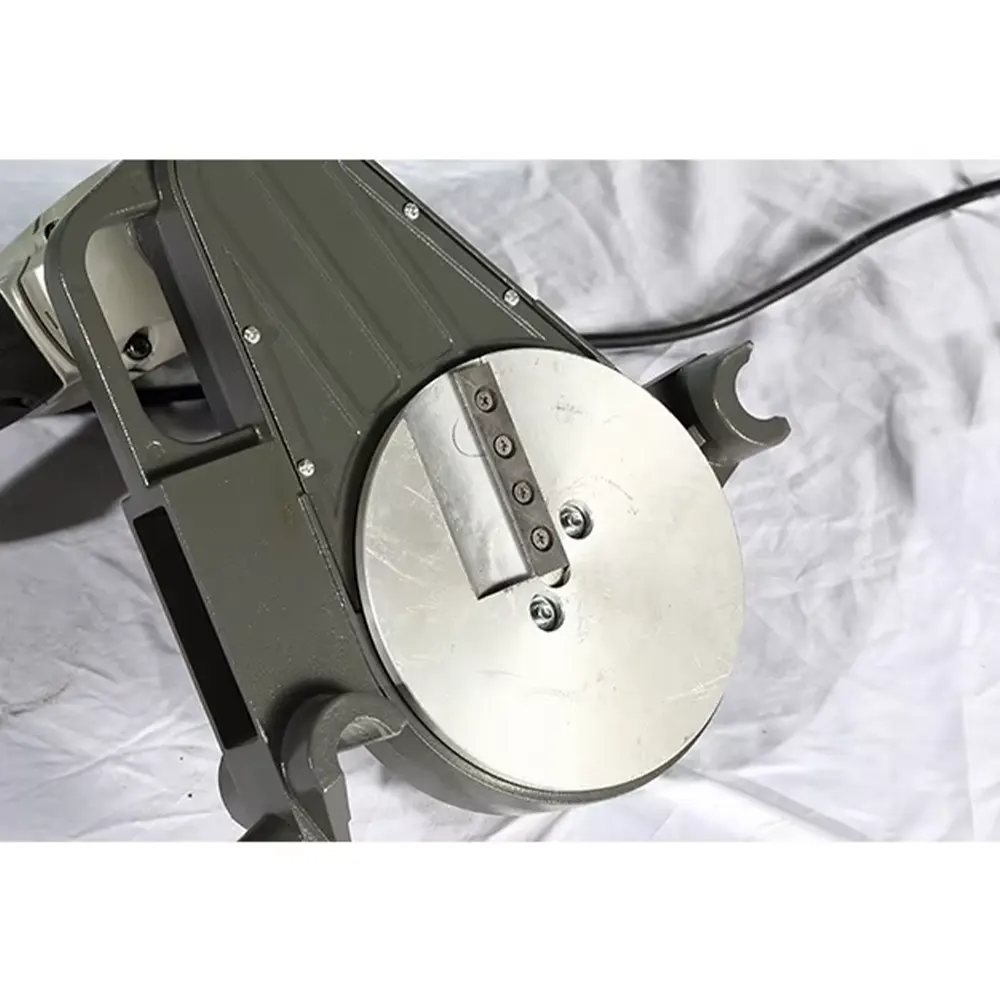
Compact and cost-effective, manual machines are ideal for small-diameter pipes and onsite repairs. They are favored by local service teams and smaller contractors working in urban areas or confined spaces.
Hydraulic Welders
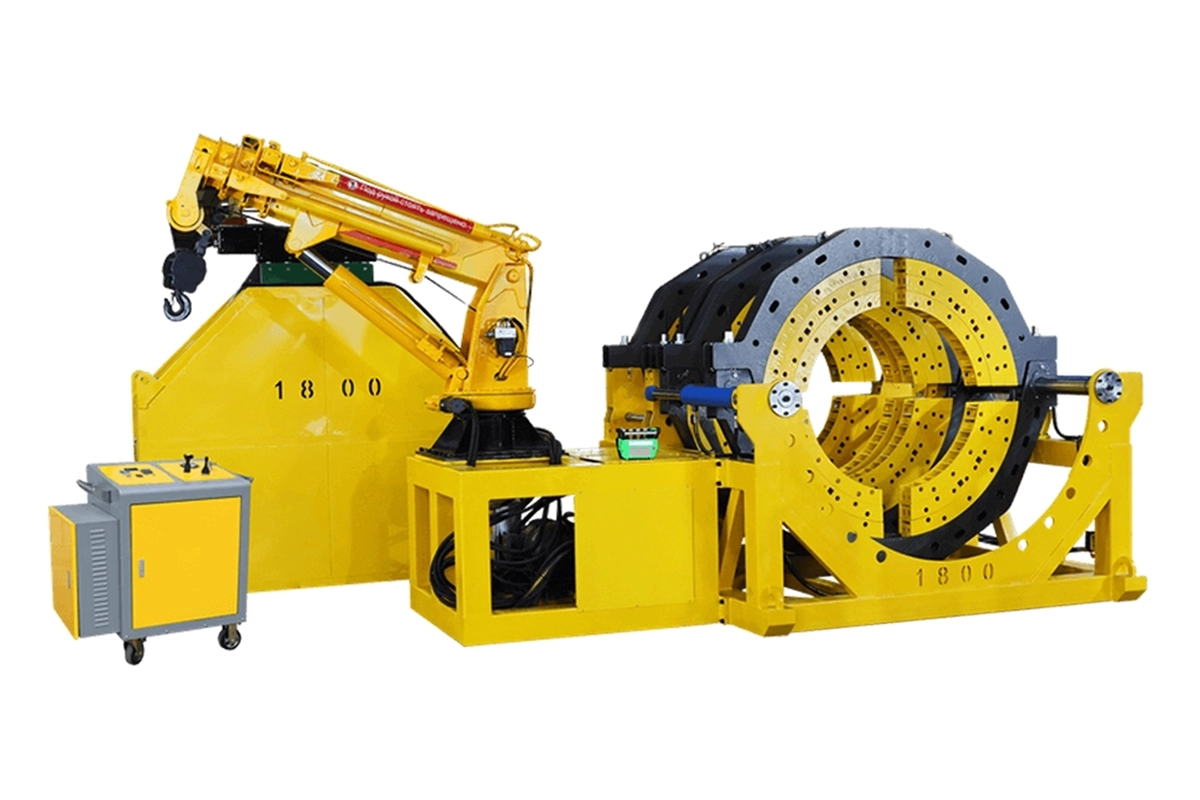
Hydraulic units provide stronger clamping force and greater stability for medium to large diameter pipes. They perform well on construction sites with variable ground conditions and are commonly used in municipal works and industrial pipeline installation across Switzerland.
CNC / Automatic Butt Fusion Machines
For high-volume projects, automated machines deliver repeatable, data-logged weld cycles and reduced operator influence. They are the best choice for large-scale water mains, gas distribution, and projects requiring traceable quality records to meet local regulations.
Selection Checklist for Swiss Conditions
Climate and altitude: Choose machines that operate reliably in low temperatures and at high altitudes. Cold weather kits, robust heaters, and insulated covers help maintain consistent weld quality.
Transport & access: For alpine and remote worksites, prioritize portable designs or modular frames that are easier to move by van or light crane.
Compliance: Ensure welders support procedures compliant with Swiss and European regulations (e.g., SVGW guidance and EN standards) and that operators can produce traceable weld reports.
Quick Comparison Table: Manual vs Hydraulic vs Automatic
| Type | Typical Pipe Range | Best For | Key Benefit |
|---|---|---|---|
| Manual | 20–160 mm | Small repairs, confined sites | Low cost, portable |
| Hydraulic | 160–1200+ mm | Urban mains, industrial lines | Stable clamping, suitable for rough terrain |
| Automatic / CNC | 63–1600 mm | Large projects, record-keeping required | High repeatability, data logging |
Operation, Training & Quality Assurance
Swiss projects often require certified operators and documented weld procedures. Invest in operator training and use machines capable of storing weld parameters. For critical lines, a combination of visual inspection, pressure testing, and digital weld logs ensures compliance and long-term reliability.
Maintenance Tips for Long-Term Performance
Regular maintenance prevents downtime in remote Swiss locations. Important practices include: keep heating plates clean, calibrate temperature controllers, check hydraulic lines and seals, and store machines in dry, insulated shelters during winter.
Where to Source Reliable Machines
If you need robust and customizable butt fusion solutions suitable for Swiss infrastructure projects, consider manufacturers with a global track record in HDPE welding equipment. JQ-Fusion offers manual, hydraulic, and CNC automatic butt fusion machines covering a wide range of diameters, backed by production experience and global service capability.
Final Practical Tips
Test welds: Always perform sample welds when starting on a new project. Documentation: Keep weld logs for regulatory review. Local partners: Work with local Swiss contractors who know terrain and permit requirements to streamline installations.



