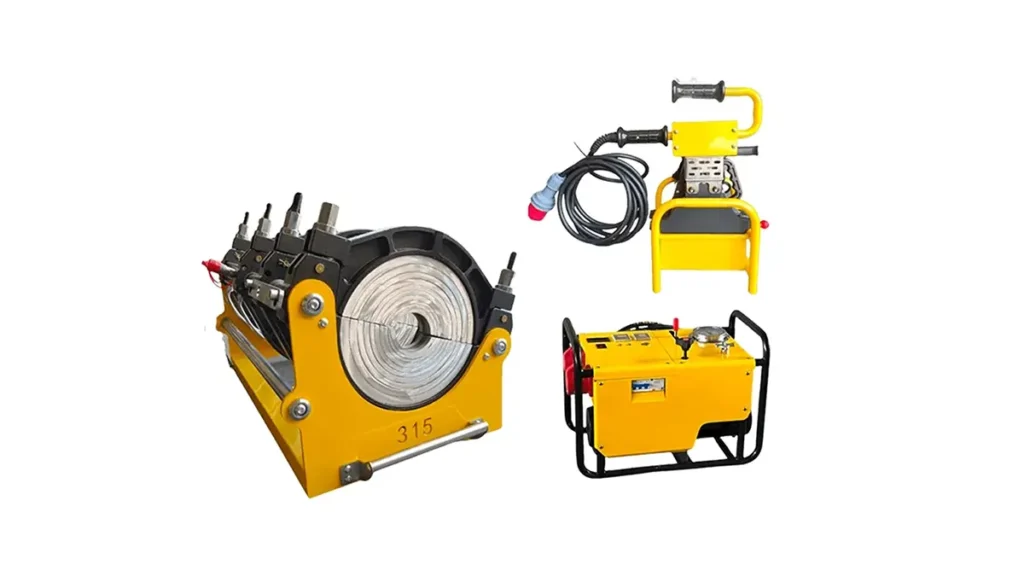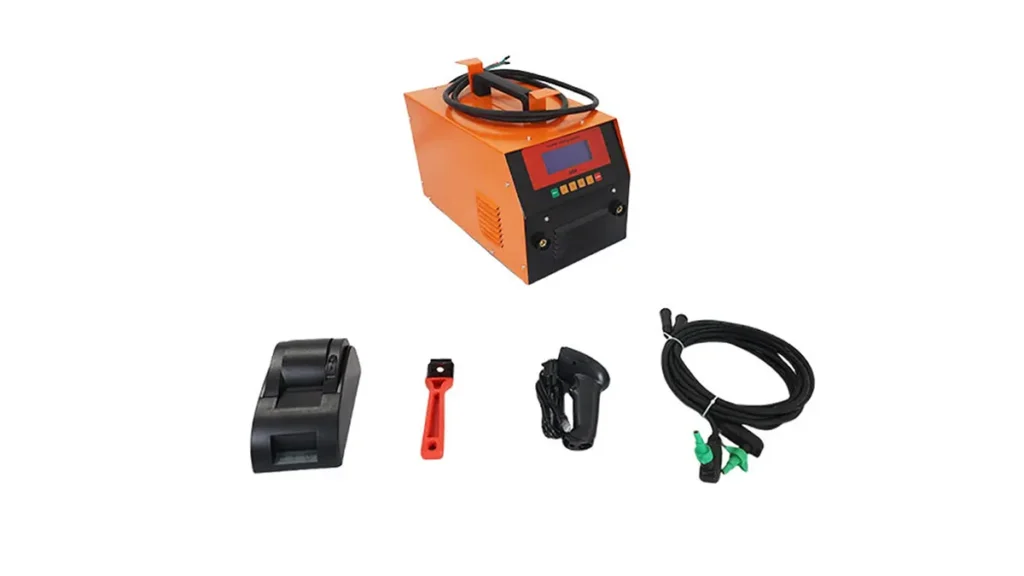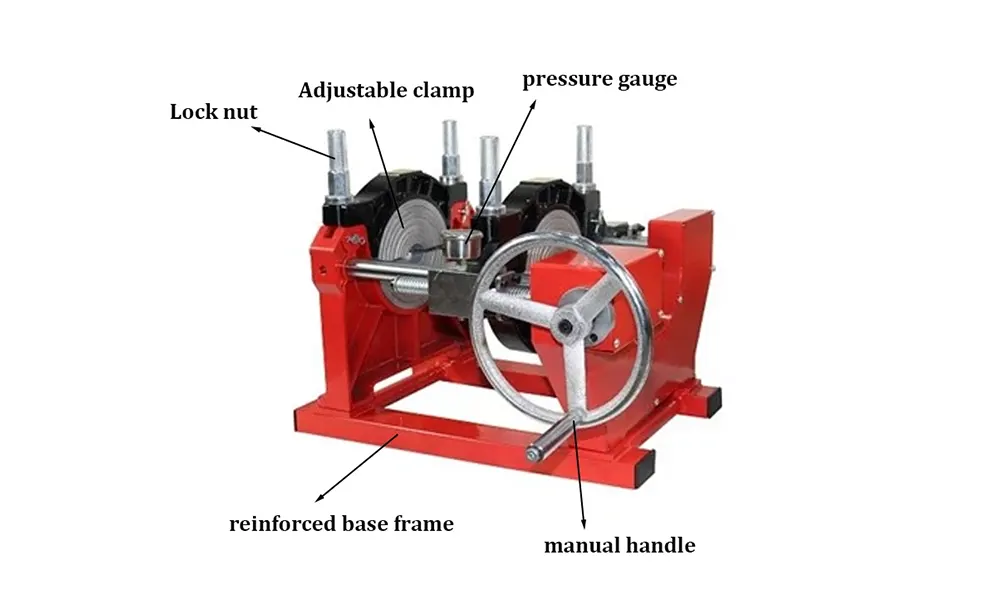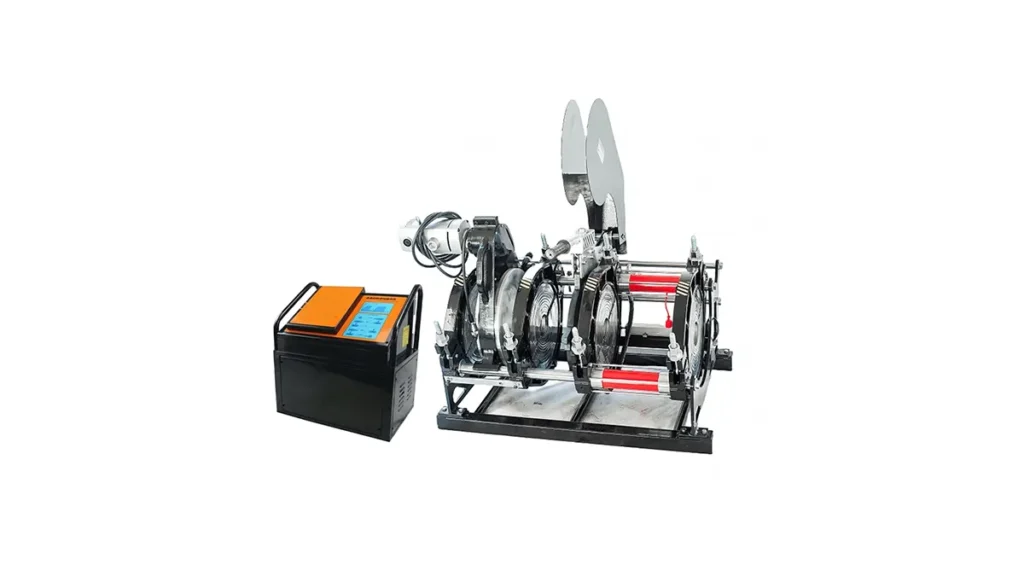
Hot melt welding machines rely on precise heat to fuse thermoplastic surfaces; even small deviations in temperature control can change joint strength, production yield, and long-term pipeline reliability. This article explains why temperature control accuracy matters, how it affects bonding and quality, and practical steps operations teams can take to improve consistency and reduce costly rework.
Why Temperature Control Accuracy Matters
Temperature is the single most important process variable in hot melt and butt fusion welding. Correct heater-plate or element temperature ensures polymer chains at the interface reach the right viscosity for molecular diffusion and recrystallization. If the surface is too cool, the joint will not reach fusion temperature; if too hot, the material can degrade, causing embrittlement or voids that reduce long-term strength.
Key performance areas affected
Bond integrity: Accurate control produces uniform fusion lines and reliable tensile strength. Leak prevention: Stable temperatures reduce porosity and weak spots that later become leak paths. Production consistency: Tight temperature tolerances lower reject rates and help meet regulatory inspection criteria.
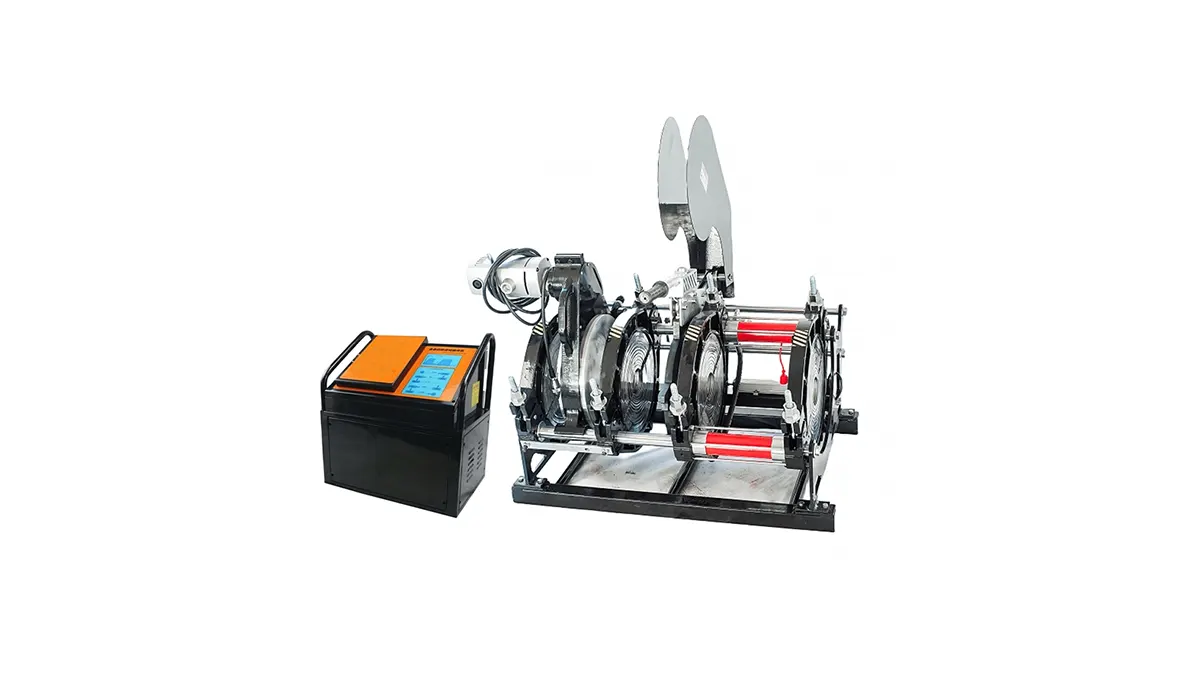
How Small Deviations Lead to Big Problems
Temperature variations of only a few degrees can shift the melting window. In practice, an accuracy of ±1–2°C during the critical heating and holding stages helps ensure molecular bonding. Larger deviations force operators to compensate with longer heating times or higher pressure, which can introduce surface contamination, flash, or internal stress.
Real-world consequences
Projects with inconsistent temperature control often see higher repair rates, unplanned downtime, and quality assurance failures during hydrostatic testing. For infrastructure applications — municipal water, gas distribution, or industrial piping — these failures translate into costly field repairs and liability risks.
Recommended Temperature Ranges for Common HDPE Grades
The table below summarizes typical heater plate temperature windows and an achievable control tolerance for modern hot melt and butt fusion processes. Use this as a guideline and always follow resin supplier recommendations.
| Material | Recommended Heater Temp (°C) | Control Tolerance |
|---|---|---|
| PE63 | 200–220 | ±1–3°C |
| PE80 | 210–230 | ±1–2°C |
| PE100 | 220–240 | ±1–2°C |
Temperature Control vs. Weld Quality — A Practical View
Accuracy is tightly linked to repeatability. Systems that maintain heater and sensor control within ±1–2°C during ramp-up, soak, and cool-down phases consistently deliver the highest quality joints. Less accurate systems force longer cycle times, higher scrap rates, and often require destructive testing to confirm weld integrity.
Control accuracy categories
Systems with ±1°C accuracy: optimal for automated production and critical infrastructure. Systems with ±2–5°C accuracy: acceptable for many field operations but require tighter procedural controls. Systems with deviations greater than ±5°C: high risk of inconsistent welds and should be upgraded or calibrated.
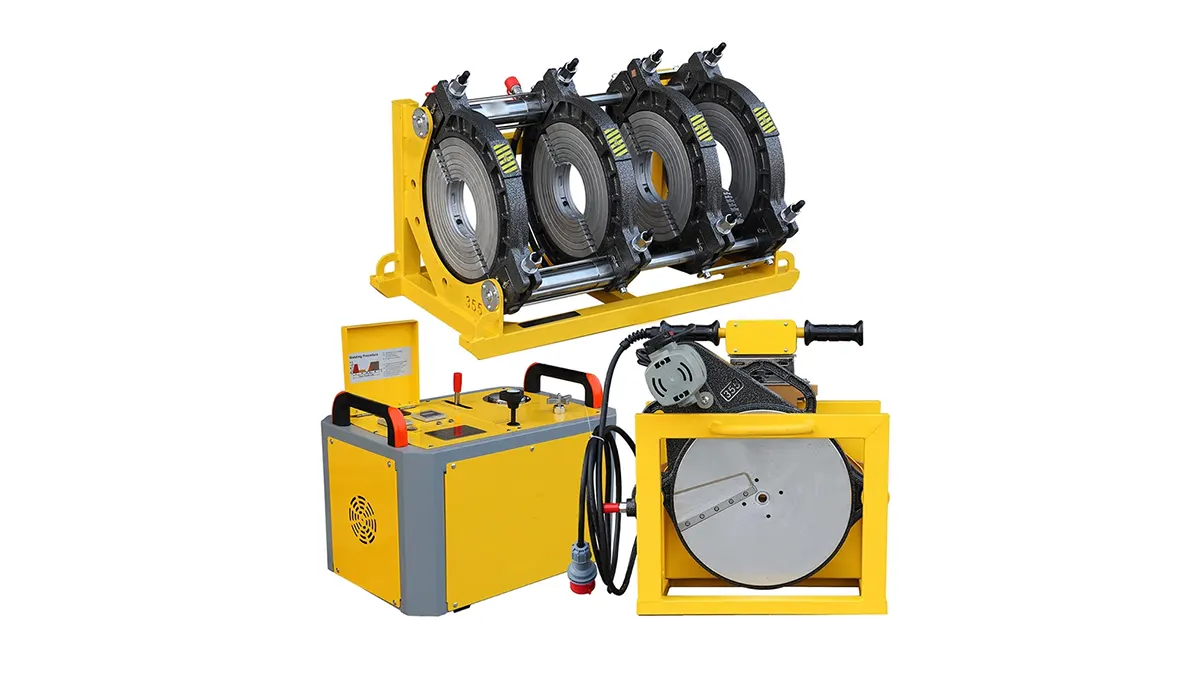
Control Technologies and Best Practices
Modern machines use closed-loop PID controllers, high-accuracy thermocouples or RTDs, and insulated heater plates to stabilize temperature. Combine good hardware with a disciplined procedure: preheat, align, heating time, upset pressure, and controlled cooling. Calibration logs and regular sensor checks are essential.
Practical checklist for operators
1. Verify sensor calibration monthly or per production schedule. 2. Use factory-recommended heating cycles for each resin grade. 3. Maintain clean heater plates and replace worn insulation. 4. Record temperatures in QA logs to spot drift early.
| Action | Suggested Frequency |
|---|---|
| Sensor calibration | Monthly or after 200–500 welds |
| Heater plate cleaning | Before every shift |
| PID tuning review | Quarterly or on performance drop |
Investing in Accuracy Pays Off
Upgrading to machines with precise temperature regulation reduces rework, shortens cycle time, and improves safety margins in pressured systems. For manufacturers and contractors that demand reliability, specifying tight temperature control in procurement and training operators on thermal best practices yields measurable ROI.
For equipment and support tailored to HDPE pipe welding applications, consider solutions from JQ-Fusion that combine robust hardware with proven control algorithms and field service resources.