
Butt fusion welding is the preferred method for joining HDPE pipelines across Iceland’s demanding environments — from coastal fish processing facilities to geothermal district heating networks and remote municipal water systems. Reliable fusion welds mean fewer leaks, longer service life, and lower maintenance on projects where weather and access can be major challenges.
Solutions for Icelandic Industrial Projects
Butt fusion welders come in manual, hydraulic, and CNC automatic variants to match the scale and precision needs of different projects. For small-scale repairs around fishing harbors or rural water mains, compact manual machines offer portability and low logistics overhead. For large-diameter district heating or industrial pipelines serving power plants and geothermal sites, hydraulic and automatic machines deliver consistent cycle control, traceable welding records, and high throughput.
Machine Types and When to Use Them
Manual machines are ideal for contractors who move often between job sites, while hydraulic frames provide stronger clamping force and smoother alignment for larger diameters. Automatic systems with PLC control are increasingly used for long runs and critical supply lines where weld quality documentation is required for regulatory compliance.
Why Butt Fusion Fits Iceland’s Needs
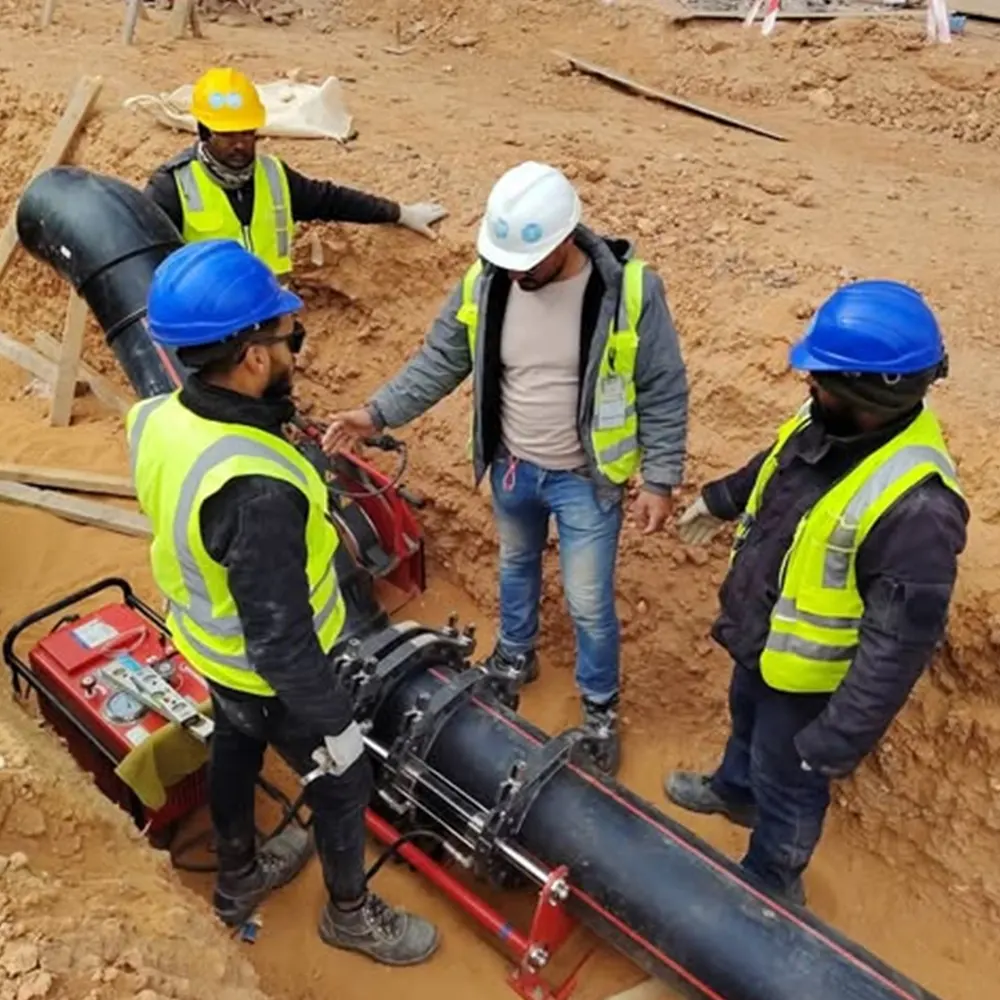
Icelandic projects face unique conditions: sub-zero winters in inland highlands, saline coastal air, and often remote access by ferry or over mountain roads. Butt fusion welding creates homogeneous joints that maintain flexibility and chemical resistance across temperature cycles — a major advantage for geothermal piping and drinking-water mains. Long-term joint integrity reduces excavation frequency and protects sensitive environments.
Typical Applications Across Iceland
Common installations include potable water networks in towns like Akureyri and Ísafjörður, geothermal heat distribution in Reykjavík suburbs, irrigation and drainage for agricultural valleys, and HDPE pipe runs inside fish processing plants where corrosion resistance is essential.
Compare Popular Models
Below is a quick reference to match machine classes to project types; always consult with your equipment supplier for final selection based on pipe SDR, material grade, and on-site constraints.
| Model / Class | Pipe Range | Automation | Best For |
|---|---|---|---|
| Manual Frame | 16mm – 250mm | Operator-controlled | Small repairs, portable site work |
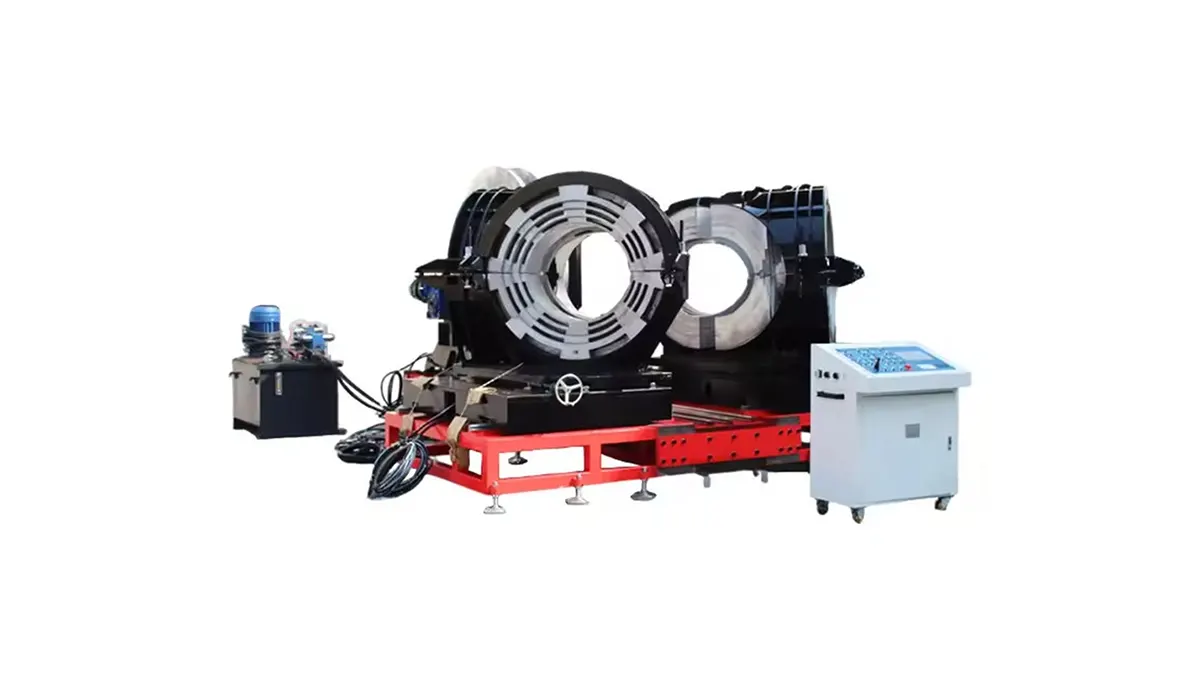
| Hydraulic Machine | 160mm – 1000mm+ | Semi-automatic | Large municipal and industrial mains |
| Automatic CNC | 63mm – 1250mm+ | Fully automatic, data logging | Long pipeline runs, certified weld records |
Site planning tip: for Icelandic mountain or island work, prioritize machines with easy transport packaging and low setup time to minimize weather exposure and mobilization costs.
Selecting the Right Welder for Your Team
Choose by matching these practical factors: pipe diameter and SDR, job-site power availability, required documentation (weld logs for public utilities), and the operator skill level. If crews are locally trained but mobile, a manual or compact hydraulic option is often best. For contractors working on critical supply lines where traceability matters, look to CNC automatic systems.
Maintenance, Training & Safety in Cold Climates
Cold temperatures affect heater plate performance and clamping tolerances. Regular maintenance of heater plates, accurate calibration of facing tools, and storage of backup batteries/electrical heaters are essential. Invest in operator training that covers preheat cycles and cooling times adjusted for lower ambient temperatures to ensure consistent joint quality.
Local Support and Project Delivery
For reliable supply and after-sales support on Icelandic projects, consider suppliers that offer machine customization, on-site commissioning, and remote technical assistance. For a global manufacturer experienced in HDPE welding equipment who can support varied pipe sizes and project scopes, contact JQ-Fusion.
With the right butt fusion welder and planning, Icelandic infrastructure teams can deliver durable, leak-free HDPE pipeline systems that withstand harsh weather, protect resources, and reduce life-cycle costs.



