
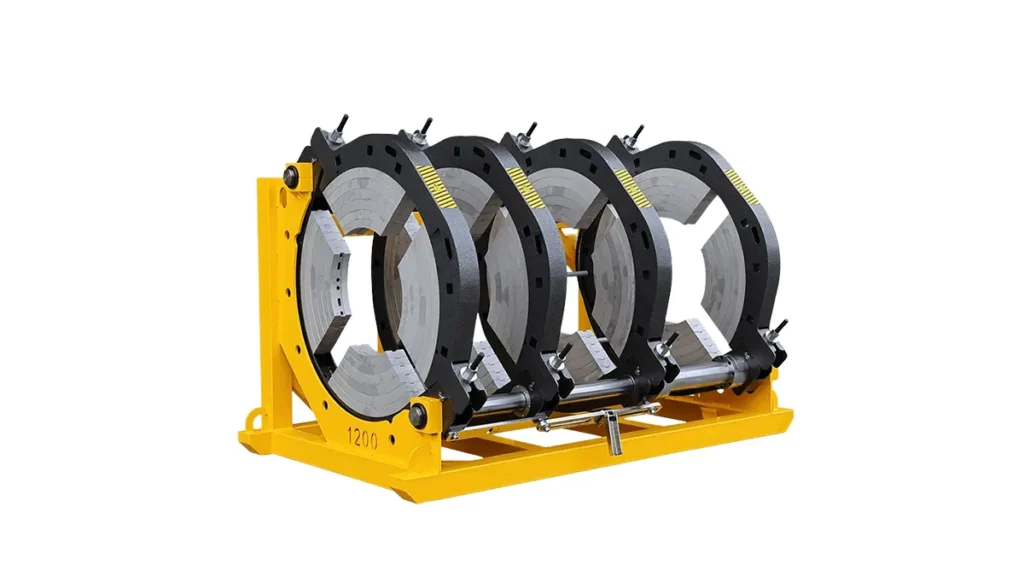
Finding the Right Automatic Pipe Welding Machine Supplier in Mexico
Choosing the right automatic pipe welding machine supplier for projects in Mexico requires balancing equipment performance, local support, and import logistics. Whether you’re building municipal water networks in Guadalajara, gas distribution in Monterrey, or irrigation systems in Sinaloa, knowing what to evaluate will save time and cost while ensuring long-term pipeline reliability.
Why Automatic Pipe Welding Machines Matter for Mexican Projects
Automatic butt fusion and electrofusion machines deliver consistent weld quality, faster production, and lower rework—critical in Mexico where infrastructure projects have tight timelines and varied climates. Machines reduce human error and help meet project specifications for potable water, natural gas and agricultural piping.
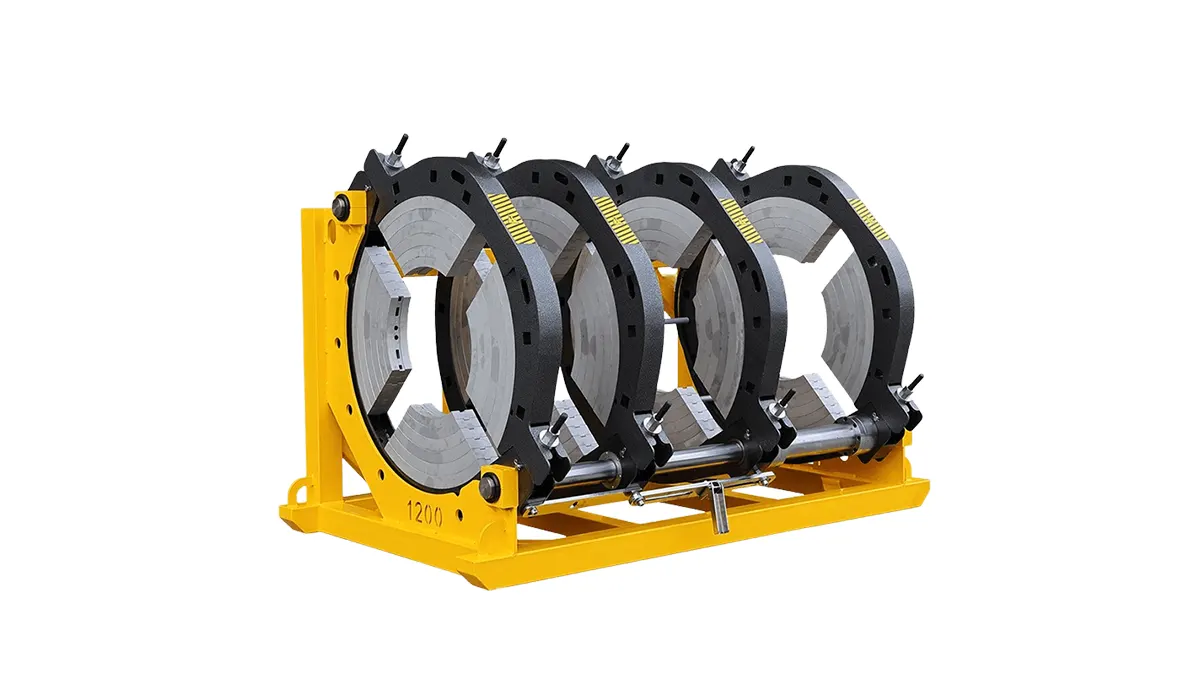
What Local Contractors and Owners Should Consider
• Equipment suitability: Does the machine handle the pipe sizes and materials you use most (HDPE, PE100)?
• Site conditions: Will it operate reliably in outdoor Mexican climates—from humid coastal zones to high altitudes in central Mexico?
• Operator skills: Is local training in Spanish available and are operation manuals provided in Spanish?
• After-sales support: Are spare parts, technical service and warranty fulfillment easily accessible within Mexico?
• Certification and documentation: Can the supplier provide welding procedure records, calibration reports and third-party test data?
Quick Comparison — Typical Machine Types
|
Machine Type |
Best For |
Common Pipe Range |
Key Benefit |
|---|---|---|---|
|
Automatic Butt Fusion |
Large-volume highway, municipal water |
Ø63–Ø1600 mm |
Consistent welds, high throughput |
|
Hydraulic Butt Fusion |
Medium–large pipelines, field work |
Ø20–Ø2250 mm |
Durable, good for rugged sites |
|
Electrofusion |
Repair works, small-diameter joints |
Ø20–Ø630 mm |
Fast on-site joins, no heaters |
How to Verify Supplier Credibility in Mexico
• Check certifications: Ask for ISO/CE and welding procedure qualifications. Certification helps ensure machines meet performance and safety expectations for public and private projects.
• Request references: Get contactable references from nearby or similar-region projects—local or regional references are most relevant for logistics and service expectations.
• Review sample weld reports: Inspect melt bead uniformity and destructive test results to confirm weld consistency.
• Arrange a demo or factory tour (virtual if needed): Seeing production, quality control and test labs reduces risk when importing from overseas.
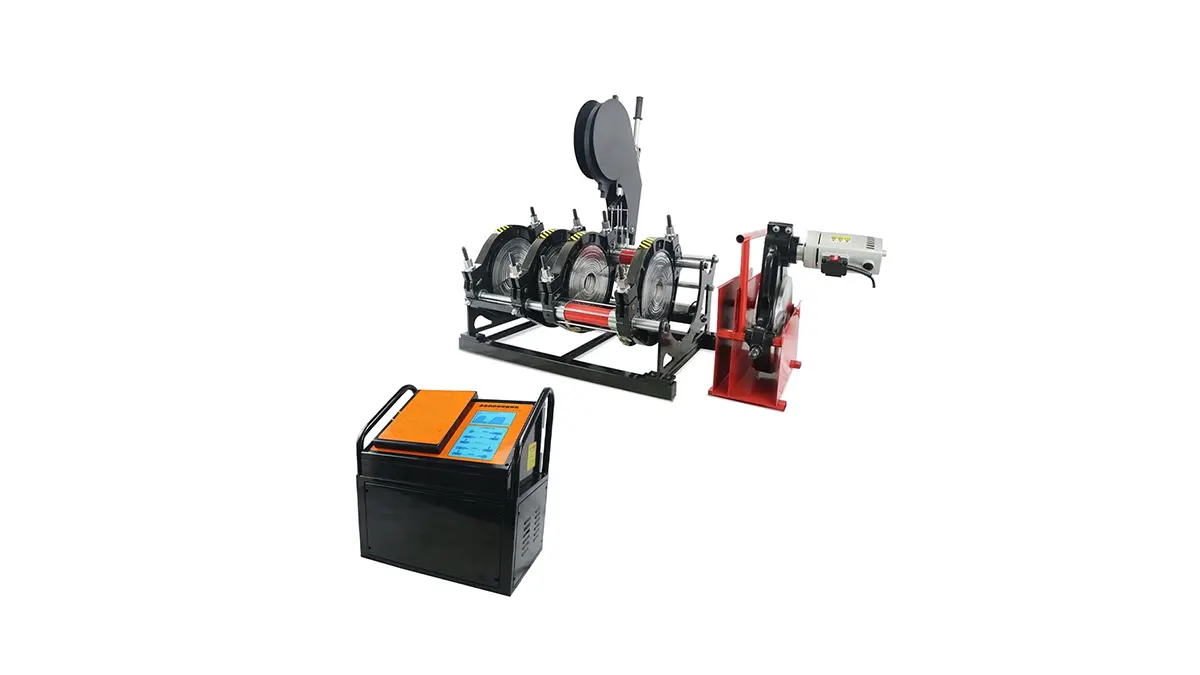
Logistics, Import and After-Sales — Mexico-Specific Tips
• Customs & duties: Work with an experienced customs broker familiar with machinery imports into Mexican ports (Manzanillo, Veracruz, Lázaro Cárdenas) to avoid delays.
• Power compatibility: Confirm voltage and frequency options and ask about optional generators for remote sites.
• Local language support: Ensure manuals, training and key troubleshooting guides are available in Spanish.
• Spare parts strategy: Agree on spare parts kits and estimated restock lead times—opt for suppliers who can ship quickly or have regional distributors.
Pre-Purchase Checklist
• Confirm pipe material & diameter compatibility and provide expected daily joint targets.
• Ask for a detailed quotation including shipping, duties, installation, and training costs.
• Verify warranty terms and what constitutes warranty-covered service.
• Request operation and maintenance manuals in Spanish plus a timeline for technician training.
• Get clear calibration and validation procedures for quality records required by projects.
One Supplier to Consider
For reliable butt fusion solutions with a broad product range and export experience, consider JQ-Fusion — a manufacturer that offers manual, hydraulic and automatic HDPE pipe welding machines and supports global pipeline projects.
Next Steps
Request quotes from multiple suppliers, compare the table above against your project needs, and ask for references and sample weld documentation. For installations across Mexico, prioritize suppliers who commit to Spanish-language training, local spare parts availability, and a clear logistics plan.



