
Yemen’s infrastructure projects — from municipal water networks and irrigation systems to gas distribution and industrial pipelines — increasingly rely on durable HDPE piping. Choosing the right butt fusion welder supplier is critical: contractors and procurement teams need machines that deliver consistent joints, easy serviceability, and parts availability in a market with logistical challenges.
Why Yemen Needs Reliable Butt Fusion Welders
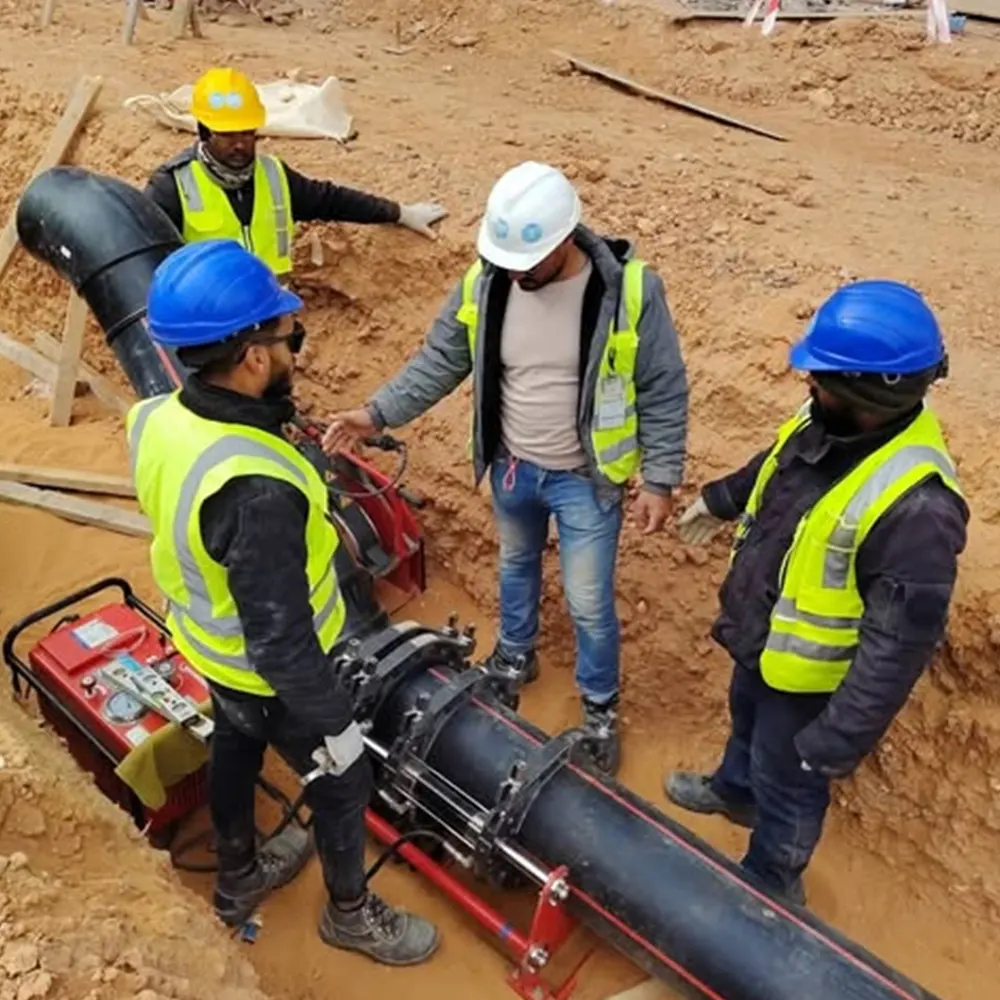
The country’s rebuilding and development efforts drive strong demand for HDPE pipelines that are corrosion-resistant and long-lasting. In Yemen, projects often face harsh environments, limited workshop facilities, and long transport routes. A reliable butt fusion machine reduces rework, minimizes downtime, and protects precious budgets. For field teams working in remote governorates or urban repair jobs, machine robustness and straightforward maintenance are non-negotiable.
Top Considerations When Choosing a Supplier
Service and spare parts: Fast access to replacement heaters, trims, and hydraulic components is essential. Suppliers should provide clear spare-parts lists and shipping options to Yemen.
Training and technical support: Ensure the supplier offers on-site or remote training to certify welders on proper procedures and machine operation.
Durability for field conditions: Machines with sealed electronics, rugged clamping systems, and quality heating plates will last longer in dusty or high-temperature environments.
Range and adaptability: A supplier that stocks manual, hydraulic, and CNC automatic options allows contractors to scale from small rural repairs to large municipal projects.
Quick Comparison: Manual vs Hydraulic vs CNC Automatic
| Machine Type | Best For | Typical Pipe Range | Service Complexity |
|---|---|---|---|
| Manual Butt Fusion | Small repairs & tight budgets | 20mm–400mm | Low; user-maintainable |
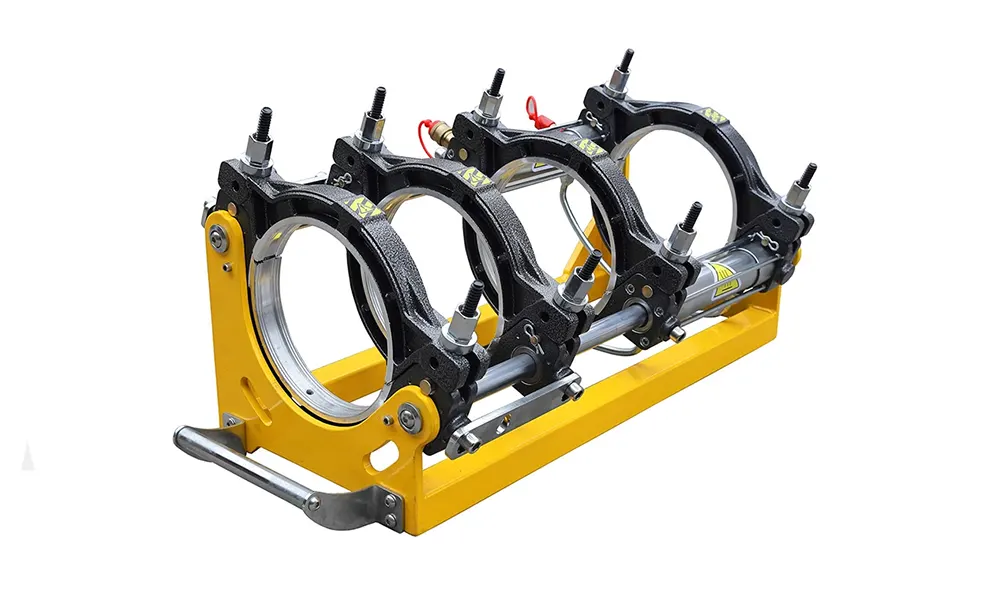
| Hydraulic Butt Fusion | Standard construction sites | 63mm–2000mm | Moderate; hydraulic and heater spares |
| Automatic / CNC Butt Fusion | Large projects & high precision | 90mm–2000mm+ | Higher; electronic control support recommended |
Practical Tips for Buyers in Yemen
1. Confirm local logistics: Check customs clearance options and lead times — choose suppliers who regularly ship to the Red Sea and Gulf ports used by Yemeni projects.
2. Ask for spare parts kits: Request a starter kit (heating plates, trims, seals) with the first machine shipment to avoid initial downtime.
3. Verify training availability: On-site commissioning or detailed remote sessions help teams adopt fusion best practices and meet joint quality standards.
4. Request welding procedure documentation: Suppliers should provide clear welding parameters and a traceable QC record system for quality assurance on government or donor-funded works.
Where to Find Reliable Machines and Service
For buyers seeking a single point of contact for machines, spares, and technical support, consider established HDPE welding manufacturers with export experience and visible product lines. One reputable option is JQ-Fusion (https://jq-fusionwelding.com/), which offers manual, hydraulic, and automated butt fusion machines plus global service capabilities.
Final Buying Checklist for Yemeni Projects
• Define project scope: small repairs, regional networks, or large trunk pipelines?
• Choose machine type: balance budget vs speed vs precision.
• Secure training and spare parts: ensure availability near the worksite.
• Ask for warranty and post-sale support: verify response times for service requests.
With proper selection and a focus on serviceability, Yemeni contractors can install HDPE networks that last decades. Prioritize suppliers who understand field realities, offer clear spare parts plans, and support operator training for consistent weld quality.



