
Choosing the right pipe welding machine ensures reliable pipeline joints, faster installation, and long-term performance. This guide walks engineers, contractors, and procurement teams through the key selection criteria for HDPE and thermoplastic pipe welding equipment, helping you match machine type, capacity, and features to project requirements.
Understand the main welding machine types
Manual Butt Fusion – Simple, portable, cost-effective for repair work and small-diameter lines. Ideal when mobility and low capital cost matter.
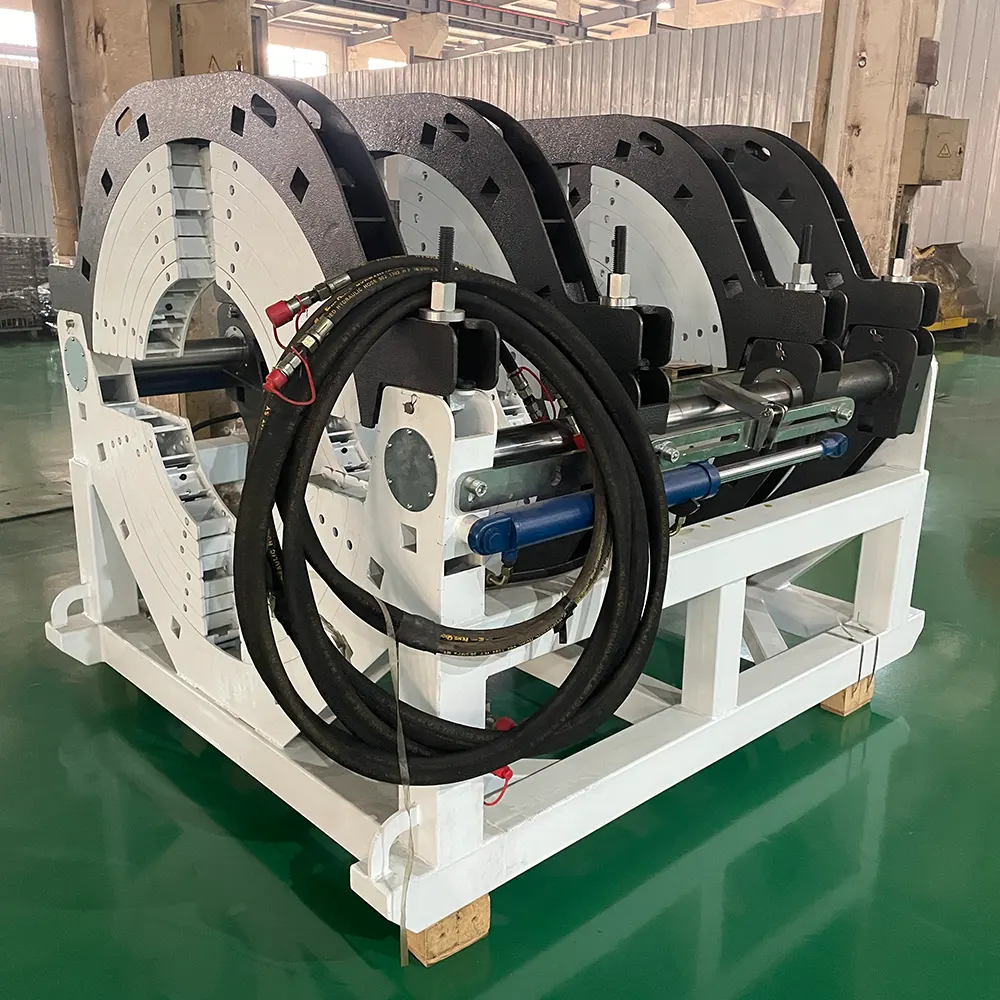
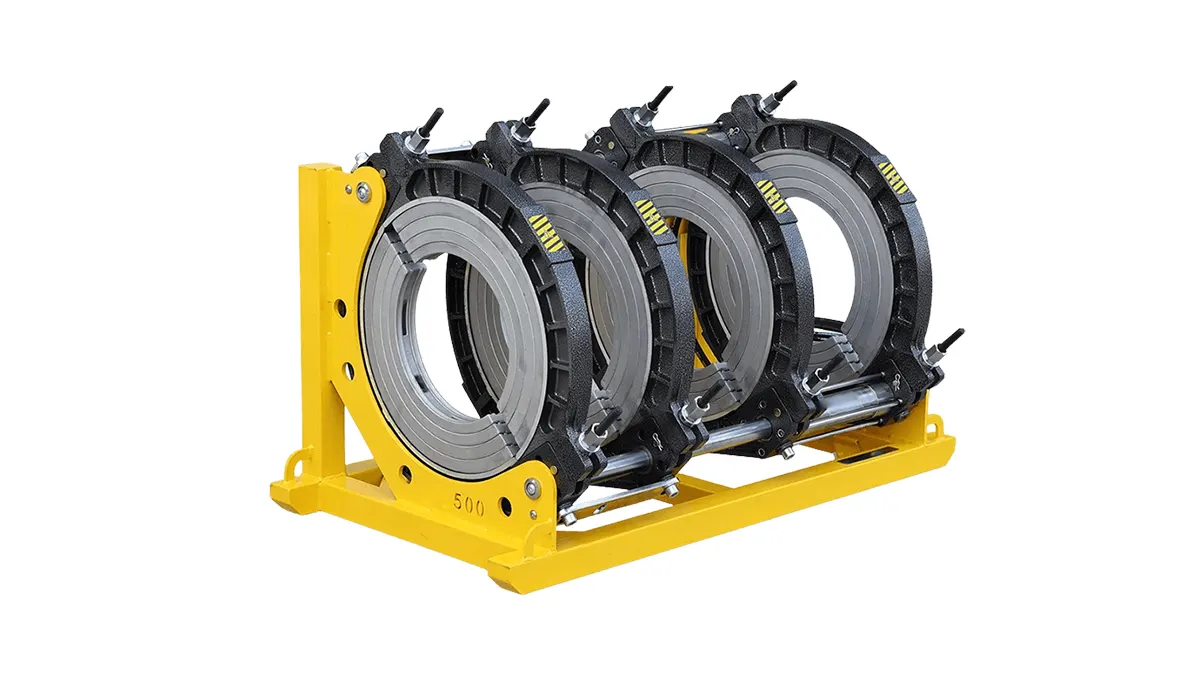
Hydraulic Butt Fusion – Higher force and consistency for medium to large diameters; better suited for continuous site work and thicker walls.
Automatic/CNC Butt Fusion – Precision-controlled parameters, data logging, and repeatable cycles for large projects and quality-sensitive installations.
Electrofusion – Best for fittings and repairs where clamps are impractical; requires electrofusion control units and compatible fittings.
Multi-angle / Fitting Welding Machines – Specialized for complex fittings and branch connections used in networks with many joints.
Key selection factors to evaluate
1. Pipe material and compatibility — Confirm the machine supports the polymer (HDPE, PP, PVDF) and relevant SDR/wall thickness range. Not all frames and heaters suit every material.
2. Diameter range and scalability — Choose a machine whose clamping and thrust capacity matches your current and near-future diameters. For mixed projects, modular or interchangeable clamps provide flexibility.
3. Production rate and cycle time — Automatic machines deliver faster, repeatable cycles for long runs. Manual units are slower but useful for scattered jobs.
4. Site conditions and mobility — Consider weight, portability, and power needs. Hydraulic and CNC units may require power packs or larger transport arrangements.
5. Operator skill and training — Automatic systems reduce operator variability but require trained personnel for setup and diagnostics. Manual machines need experienced welders for consistent results.
6. Data and traceability — For municipal, gas, or industrial pipelines, choose equipment with digital logging, traceable weld reports, and quality controls.
7. Budget and total cost of ownership — Account for spare parts, consumables (heating plates, trims), maintenance, and training when comparing purchase prices.
Essential accessories and features to request
Facing / trimmer units – Clean, square pipe ends are critical; integrated trimmers improve cycle consistency.
High-quality heating plates – Even surface temperature and durable coatings reduce sticking and rework.
Hydraulic power packs – For heavy-duty thrust and controlled pressure in large-diameter welding.
Control units with memory & reporting – Save welding parameters, export reports, and meet regulatory documentation requirements.
Quick decision flow — Which machine fits your project?
Small repairs / occasional work → Manual butt fusion or electrofusion unit.
Routine medium-diameter pipelines (100–630 mm) → Hydraulic butt fusion with portable power pack.
High-volume, quality-critical projects → Automatic/CNC butt fusion with data logging and advanced control.
Complex fittings and branch systems → Multi-angle / fitting welding machine plus electrofusion options.
Comparison table: Typical machine roles and strengths
| Machine Type | Best For | Strengths |
|---|---|---|
| Manual Butt Fusion | Small jobs, repairs | Low cost, portable |
| Hydraulic Butt Fusion | Medium to large pipelines | High force, reliable joints |
| Automatic/CNC | High-volume projects | Precision, data logging |
| Electrofusion | Fittings, constrained spaces | Flexible joints, easy to deploy |
Quality assurance, certifications, and after-sales
Always verify supplier quality processes, calibration certificates, and available training. Machines with documented control systems and traceable welding logs reduce risk during inspection and acceptance. Confirm warranty terms, spare part lead times, and local service options.
Selecting a supplier
Choose a partner who offers a range of manual, hydraulic, and automatic butt fusion machines plus accessories (trimmers, heating plates, power units). A reliable manufacturer provides documentation, operator training, and responsive service. For example, JQ-Fusion supplies HDPE butt fusion solutions across small to large diameters along with training and support.
Final checklist before purchase
– Confirm pipe material compatibility and SDR/pressure class.
– Verify diameter range and clamping options.
– Ensure power and hydraulic requirements match the site.
– Check for data logging and reporting capabilities if needed.
– Budget for consumables, spares, and training.
– Request references and service commitment from the manufacturer.
Make the right choice: balance immediate cost with long-term reliability, operator safety, and weld quality. The correct pipe welding machine reduces rework, speeds installations, and protects pipeline integrity for decades.



