
Choosing the right butt fusion welder supplier in Sweden means balancing machine reliability, service response times, and compliance with Nordic standards for cold-weather pipeline installations. This guide helps Swedish contractors, municipal utility teams, and installers compare options, select equipment for HDPE water, gas, and district heating projects, and avoid common procurement pitfalls.
Why Butt Fusion Is the Preferred Welding Method in Sweden
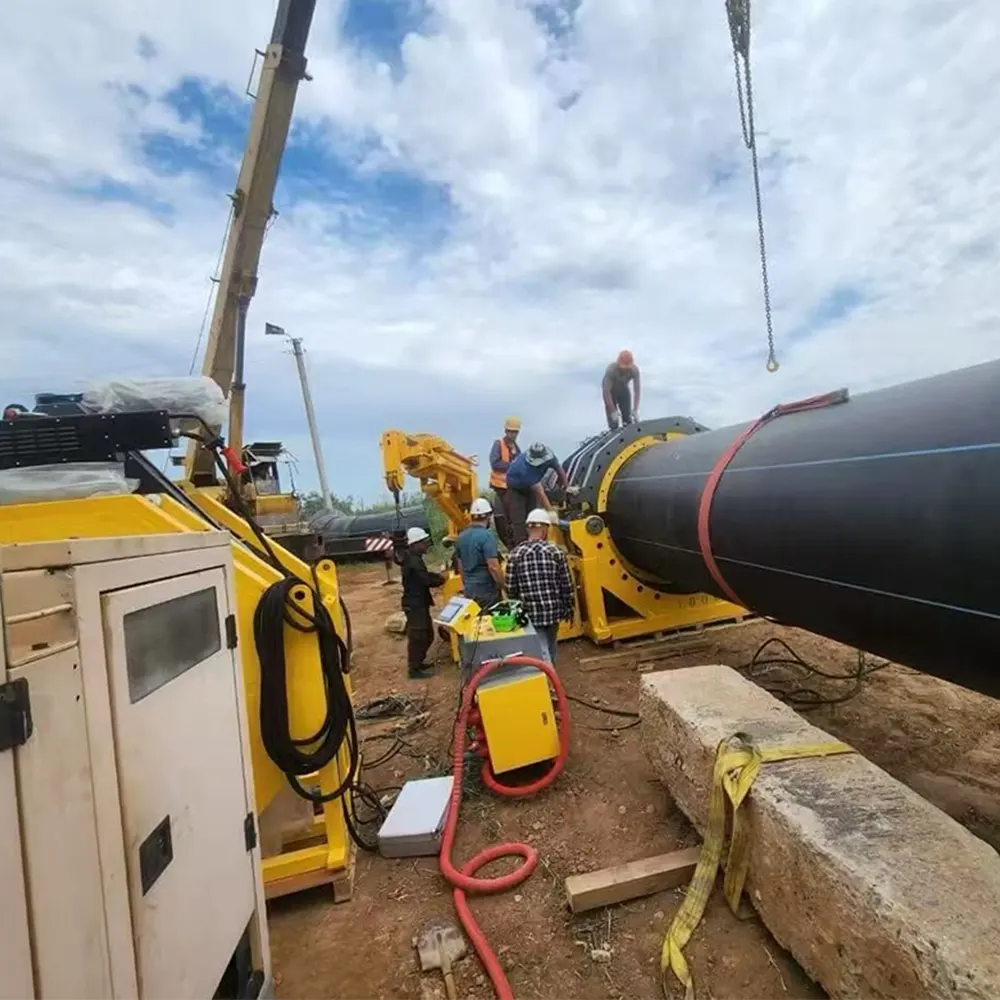
Butt fusion welding creates strong, homogeneous joints that perform well in low temperatures and under heavy load — important for Sweden’s long winters and infrastructure demands. Municipal water networks, stormwater systems, and gas distribution projects rely on durable HDPE pipe connections that resist frost, corrosion, and ground movement.
Key Considerations for Swedish Projects
When specifying a butt fusion welder for use in Sweden, focus on:
- Cold-start performance — heaters and controls that maintain consistent fusion cycles in low ambient temperatures.
- Portability and on-site setup time for remote or winter-restricted worksites.
- Compliance with EU/EN standards and local utility specifications.
- Availability of training, spares, and after-sales support within a reasonable delivery window.
Which Machine Type Matches Your Project?
Different project scales in Sweden demand different machines — from small municipal repairs to large-diameter trunk mains. The table below summarizes typical selections and practical reasons to choose each.
| Machine Type | Best For | Typical Pipe Range | Why Choose |
|---|---|---|---|
| Manual Butt Fusion | Small repair crews, temporary worksites | 20–315 mm | Cost-effective, easy to transport, low maintenance |
| Hydraulic Butt Fusion | Mid-size installations, contractor fleets | 160–1200 mm | Higher pressure control, suited to tougher site conditions |
| Automatic/CNC Butt Fusion | Large-diameter trunk mains, repetitive production | 250–2000+ mm | Precision, data logging, consistent cycle times |
Valuing Service and Local Support in Sweden
Quick spare-parts supply and training are crucial when cold conditions reduce repair windows. Prioritize suppliers with documented delivery times to the Nordics, clear warranty terms, and the option for on-site commissioning. Look for offered training programs aimed at installers who must meet stringent municipal acceptance tests.
Cost vs. Lifetime Value
Swedish buyers often prefer to balance initial cost with lifetime performance. Machines that reduce rework, log weld data for compliance, and fit into seasonal schedules typically deliver lower total cost of ownership. Consider training, spare inventory, and calibration services as part of the purchase decision.
Quick Checklist Before You Buy
– Confirm pipe diameter and SDR range for your common projects.
– Ask about heater plate replacement lead times and local stock for critical spares.
– Request references from Nordic installations and evidence of EN compliance.
– Verify available training options and documentation for weld traceability.
Ready to Source Equipment?
If you need robust butt fusion welders with flexible options for manual, hydraulic, and automatic workflows, consider contacting JQ-Fusion for specifications, lead times, and tailored quotes suitable for Sweden’s infrastructure and climate.



