
Looking for a reliable butt fusion machine manufacturer in Benin? Choosing the right supplier affects project uptime, weld quality, and long-term maintenance costs for HDPE pipeline works in municipal water systems, irrigation networks, and industrial installations across Benin’s varied regions. This guide helps engineers, contractors, and procurement teams make an informed decision.
Understand Local Project Needs in Benin
Project scale and environment — Small rural irrigation projects near the Ouémé Basin have very different needs than urban water distribution upgrades in Cotonou. Consider typical pipe diameters, expected daily welding volume, and site conditions such as heat, humidity, and dust.
Power and mobility — Many Beninese sites rely on generators or limited grid power. Portable manual or hydraulic units are often more practical for remote locations, while larger municipal projects may justify automatic/CNC machines when power and transport allow.
Key Supplier Criteria: What to Verify
1. Product Range and Compatibility
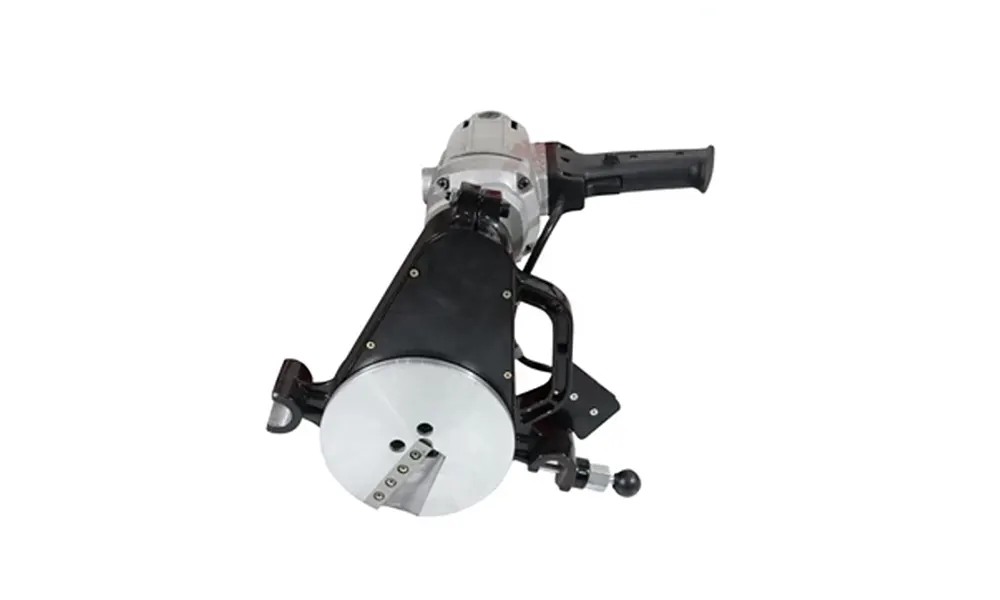
Ensure the supplier offers machines compatible with the HDPE pipe sizes you use (from small diameters common in rural works to large-diameter lines for urban or industrial projects). Also check availability of accessories: facing tools, clamps, heating plates, and transport frames.
2. After-sales Support & Spare Parts
Fast access to spares and local technical support saves downtime. Confirm lead times for common spare parts and whether the supplier provides remote troubleshooting or French-language documentation and training — a major advantage in Benin where French is the administrative language.
3. Quality, Certification & Warranty
Ask for quality certificates, welding procedure records, and sample weld test results. A clear warranty and documented QA process indicate a supplier committed to reliable machines.
4. Logistics and Customs
Large hydraulic or automatic units require careful transport planning. Check the supplier’s experience exporting to West Africa, packaging standards, and assistance with customs documentation and incoterms to Benin.
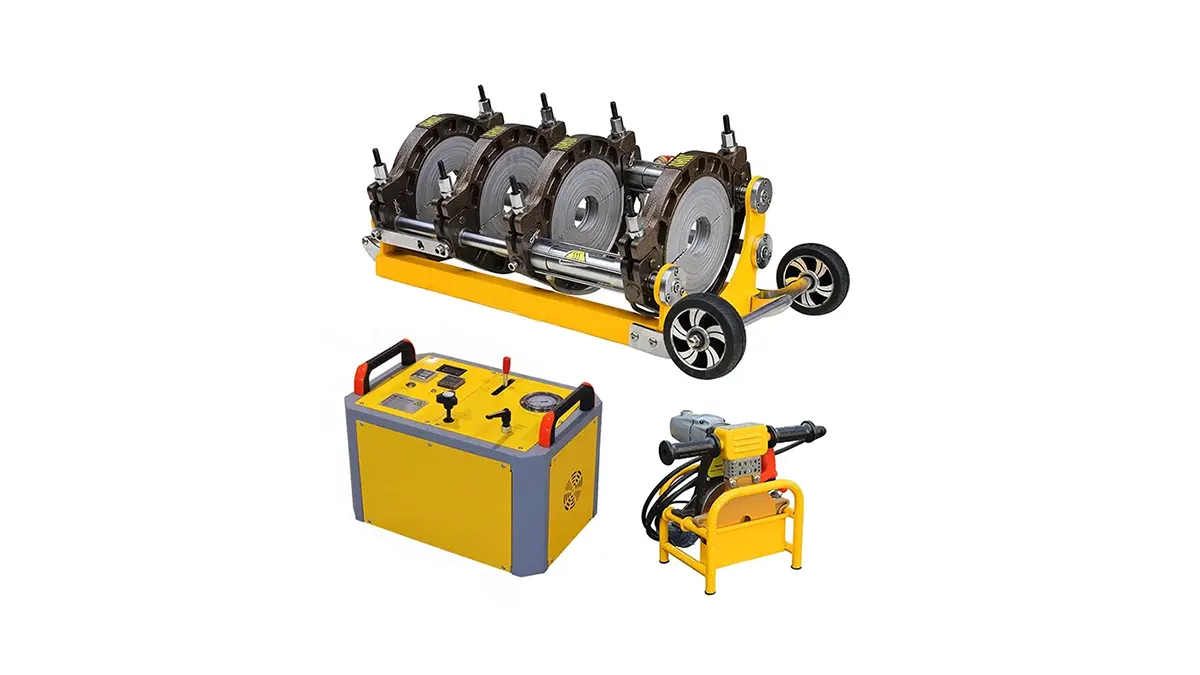
Quick Comparison: Manual vs Hydraulic vs Automatic
| Feature | Manual | Hydraulic | Automatic |
|---|---|---|---|
| Best for | Remote, low-volume | Medium to large sites | High-volume, precision jobs |
| Power needs | Low | Medium (hydraulic power unit) | High (electrical/control) |
| Skill required | Moderate | Moderate | Higher (training recommended) |
| Typical cost | Lower | Medium | Higher |
Procurement Checklist Before You Buy
– Confirm pipe diameter range and maximum pressure ratings for welded joints relevant to Benin applications.
– Request demonstration videos or a trial weld report; ask for user manuals in French.
– Verify spare-part kits, shipping times to Cotonou port, and local partner or reseller presence in West Africa.
– Compare lifecycle costs — initial price, consumables (heating plates, blades), and expected maintenance.
Training and On-site Commissioning
A supplier that offers on-site commissioning or remote-assisted commissioning reduces installation risk. For Benin projects, prioritize vendors who can provide French-speaking trainers or translate technical guides.
Final Tip: Validate with Local References
Ask suppliers for recent references in West Africa or projects with similar logistics. Visit an installed site if possible, or request contactable references to confirm machine performance under regional conditions.
Trusted Manufacturer Example
For a comprehensive range of manual, hydraulic, and automatic HDPE butt fusion machines with global export experience, consider JQ-Fusion (https://jq-fusionwelding.com/).



