
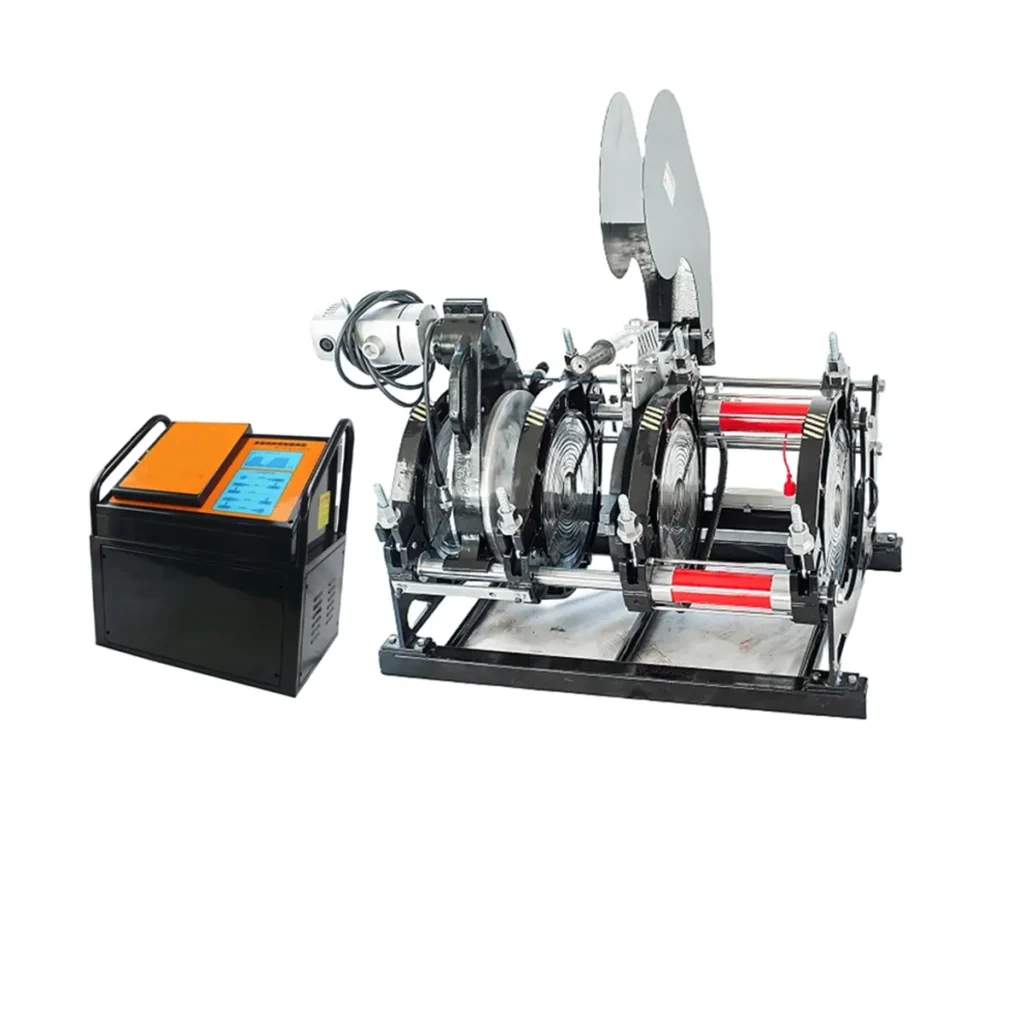
In the world of butt fusion welding equipment, the milling cutter—often called a planing tool or trimmer—is the unsung hero. Before heating and fusion can happen, the pipe ends must be perfectly flat, smooth, and free from oxidation. This critical step is handled by the butt fusion machine milling cutter. Choosing the wrong one compromises joint integrity, leading to leaks, project delays, and costly repairs.
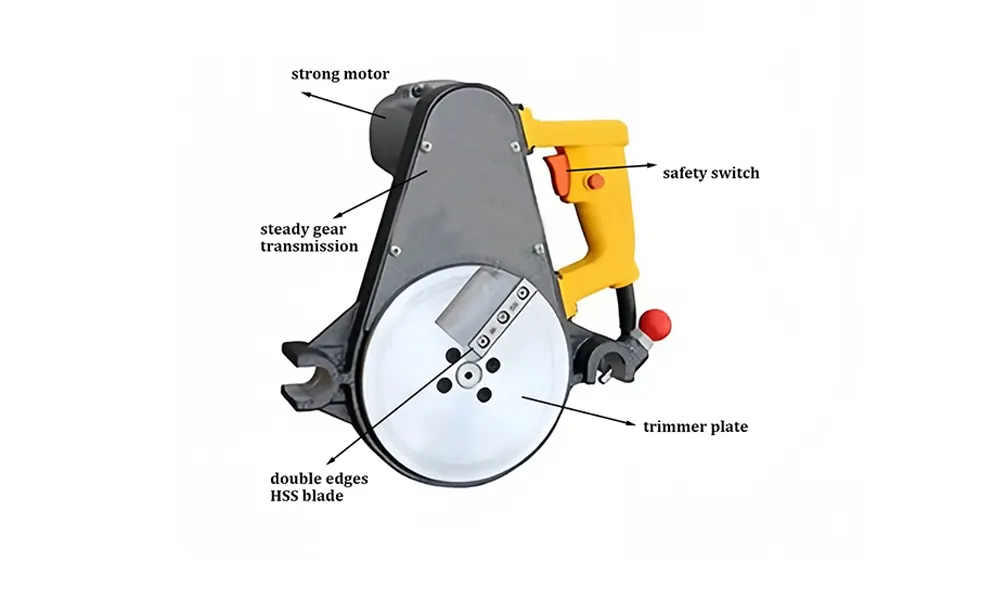
Why the Milling Cutter Matters for Joint Integrity
The primary function of a planing tool is to remove a thin layer of material from both pipe faces simultaneously. This ensures the surfaces are parallel and in complete contact with the heater plate. A dull or improperly maintained butt fusion machine milling cutter can smear the polyethylene instead of cutting it cleanly, embedding contaminants and creating weak points. According to ISO 21307 butt fusion procedures, proper facing is non-negotiable for achieving standard-compliant joints.
Key Factors to Consider When Selecting a Planing Tool
Not all trimming tools are universal. Your choice must align with the machine type, pipe material, and job site conditions.
1. Blade Material and Cutting Geometry
High-speed steel (HSS) and carbide-tipped blades dominate the market. HSS blades are affordable and work well for smaller diameters and occasional use. Carbide blades, however, stay sharper longer and perform better on large-diameter HDPE pipes where continuous cutting generates significant friction. The cutting angle is also crucial; an optimized angle removes chips efficiently without gouging the pipe face.
2. Compatibility with Pipe Diameter and Wall Thickness
Every planing tool has a specific range. Installing an undersized cutter on a large pipe requires multiple passes and increases the risk of an uneven face. Overloading a small butt fusion machine milling cutter slows down the operation and can stall the motor. Always match the tool to the machine’s clamping range, a standard practice highlighted by PPI butt fusion procedure guidelines.
3. Tool Durability and Maintenance Requirements
Job site conditions demand rugged construction. Look for milling cutters with replaceable blade cartridges. This design allows quick blade swaps without replacing the entire disc, reducing downtime and long-term costs. Regular cleaning of the chip channels is essential to prevent buildup, which can deform the shaved surface.
Trimming Tool Comparison by Machine Type
The requirements for a planing tool shift depending on the automation level of your fusion system.
| Machine Category | Typical Cutter Feature | Best Application |
|---|---|---|
| Manual Butt Fusion | Twin-edged reversible blades | Small diameters (≤315mm), field repair |
| Hydraulic Butt Fusion | Robust carbide insert disc | Medium to large diameters, high torque |
| CNC Automatic | Precision ground, automated chip removal | High-volume infrastructure, strict tolerance |
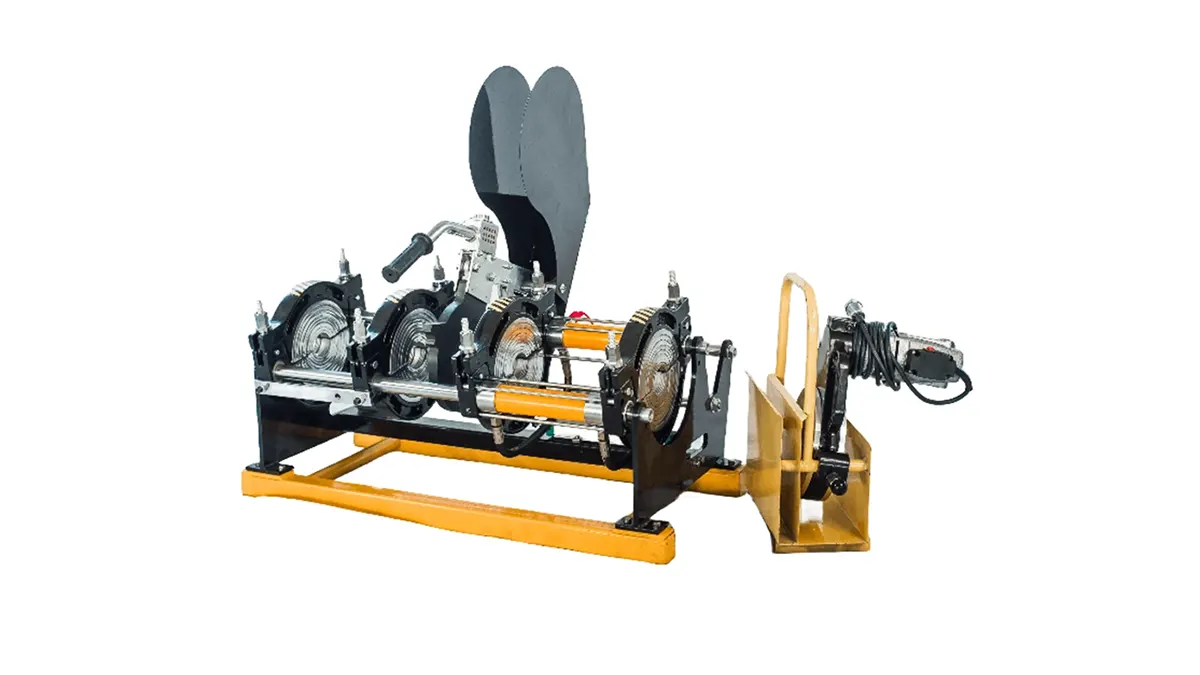
Signs It’s Time to Replace or Resharpen Your Tool
Even the best trimmers wear out. Ignoring warning signs leads to poor joint quality.
- Increased motor load: The machine strains to shave the pipe, often tripping overload protection.
- Rough surface finish: A tactile check reveals grooves, ridges, or a fuzzy texture instead of a smooth matte finish.
- Inconsistent chip size: Long, stringy spirals indicate dull edges; a sharp cutter produces short, uniform flakes.
- Discoloration: Heat buildup from a blunt tool can oxidize the pipe end before fusion even begins, undermining the butt fusion machine milling cutter purpose.
Ensuring a Clean Face for Reliable Weld Performance
Surface preparation is everything. After trimming, never touch the prepared face with bare hands. Dust, moisture, and even skin oil act as contaminants. The time between facing and heating should be minimal to prevent static charge from attracting airborne particles. For critical gas or water networks, some contractors implement a two-stage facing process using a dedicated finishing blade, a practice reinforced by ASTM F2620 heat fusion standards.
JQ-Fusion designs its range of manual, hydraulic, and CNC butt fusion machines with drum-style milling cutters that prioritize quick chip clearance and stable alignment. By integrating robust planing tools capable of handling various diameters with minimal vibration, operators achieve the required surface flatness faster, cycle after cycle.
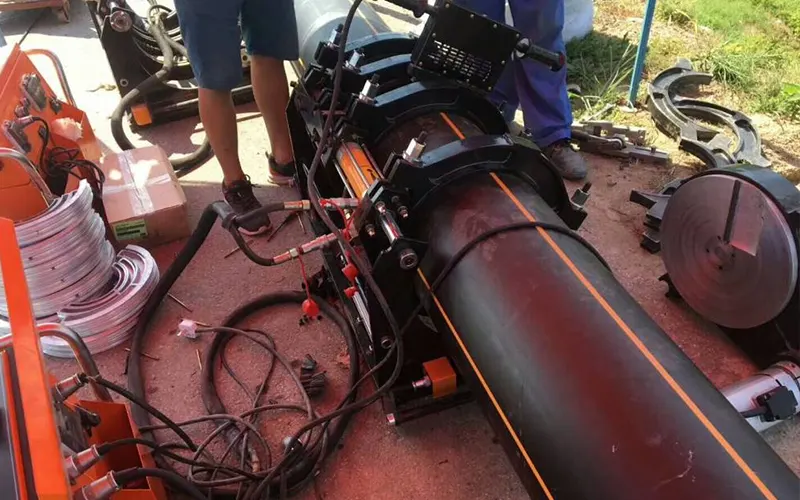
Pro Tips for Long-Lasting Milling Cutter Performance
- Clean after every joint: Use a stiff brush to clear chips from the blade pockets and the disc body.
- Lubricate the guide rods: A smooth-feed mechanism prevents uneven pressure and blade chatter.
- Check blade lock: Vibration during transport can loosen bolts, causing misalignment.
- Stock spares: Always keep a backup set of blades or a complete spare disc on the job site for your butt fusion machine milling cutter to avoid work stoppages.



