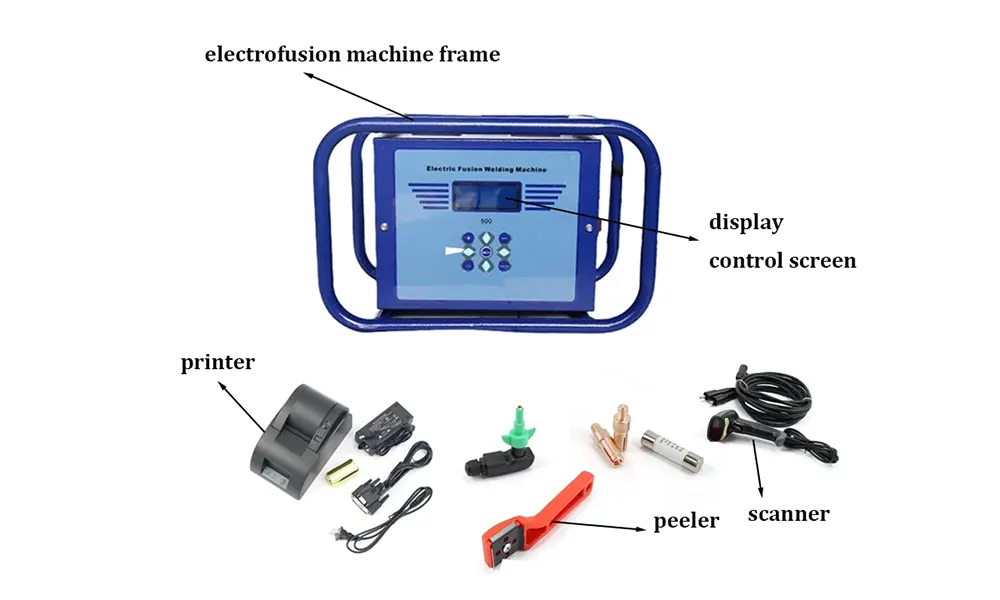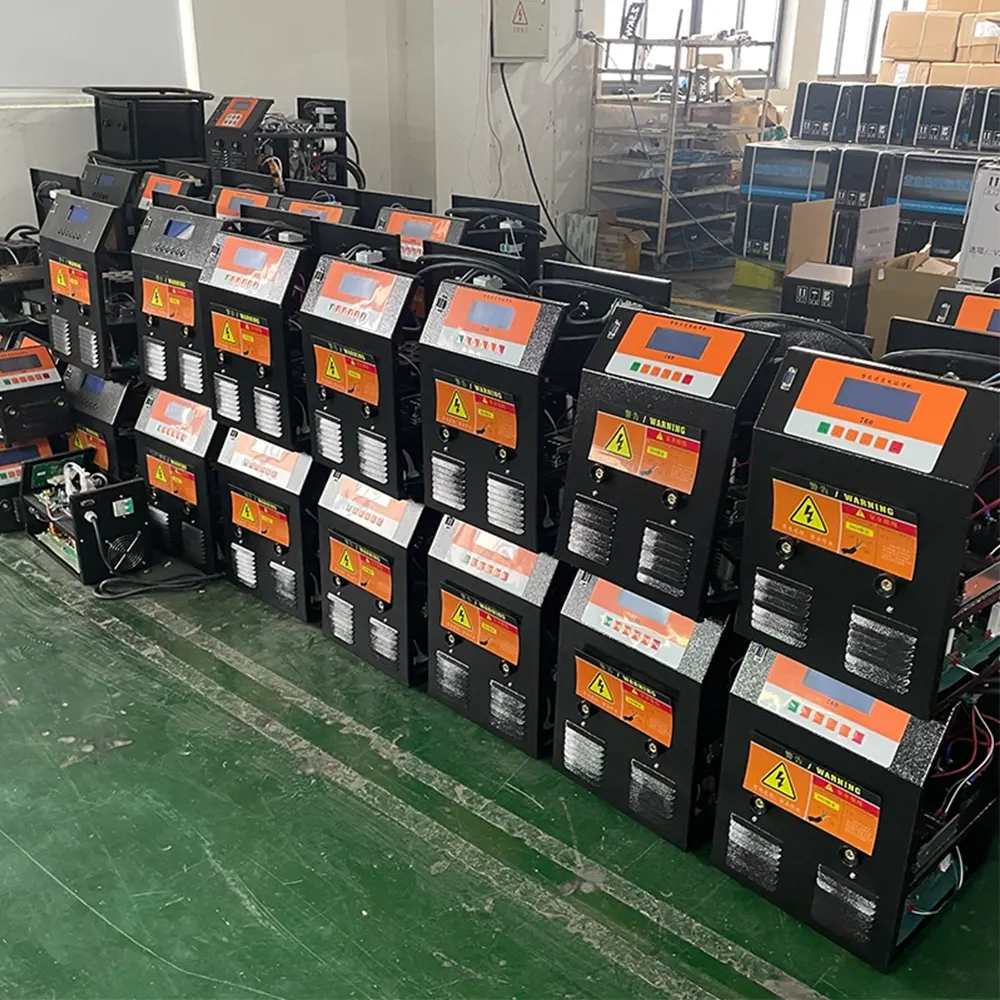
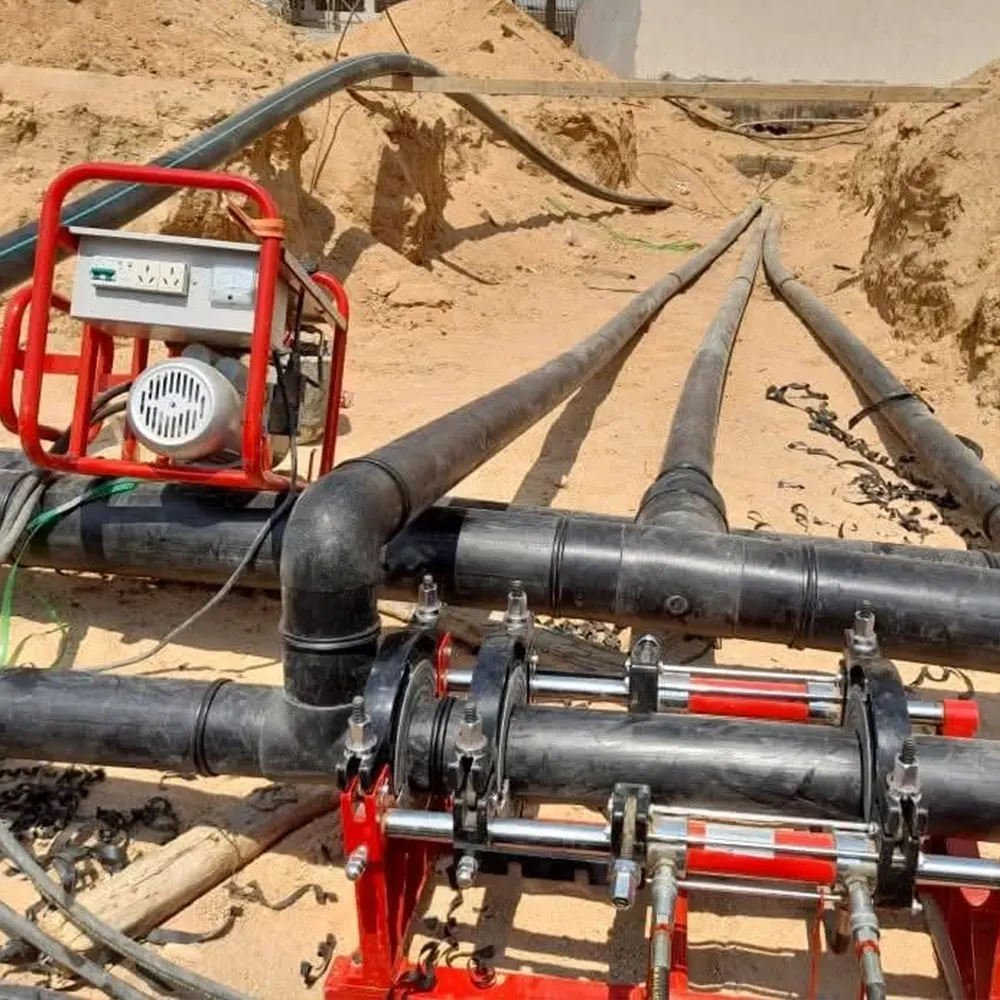
Effective troubleshooting is the backbone of efficient pipeline construction. Whether you are working on a municipal water supply project or a large-scale mining operation, understanding how to diagnose and resolve issues with your HDPE pipe welding equipment ensures minimal downtime and optimal joint integrity. This guide outlines the most common technical problems encountered during the HDPE pipe welding equipment troubleshooting process and provides actionable solutions to keep your operations running smoothly.
Quick Reference Troubleshooting Table
Below is a concise overview of frequent malfunctions. For a deeper dive into specific scenarios, follow the detailed sections after the table. Remember, adhering to ISO 21307 butt fusion procedures is critical for consistent results.
| Common Problem | Potential Cause | Recommended Solution |
|---|---|---|
| Uneven Heating Plate Temperature | Damaged heating elements, faulty thermocouple, or poor surface contact. | Verify temperature with a digital thermometer; clean the plate surface thoroughly; replace defective heating elements. |
| High Axial Misalignment | Worn-out clamps, uneven pipe ovality, or incorrect frame setup on hydraulic butt fusion welding machines. | Adjust clamp inserts; rotate the pipe to average ovality; ensure the machine frame is on stable, level ground. |
| Insufficient Bead Rollback | Low hydraulic pressure, incorrect fusion pressure calculation, or drag from the pipe supports. | Recalculate interfacial pressure based on pipe diameter; check hydraulic fluid levels; clear the carriage track of debris. |
| Hydraulic System Failure | Air in the system, leaking seals, or contaminated oil. | Bleed air from the hydraulic cylinders; inspect and replace O-rings; change the hydraulic oil according to the maintenance schedule. |
Detailed Diagnosis of Common Welding Issues
Beyond the quick fixes, a thorough understanding of the root causes is vital. Proper HDPE pipe welding equipment troubleshooting often involves checking the basics first: voltage supply, ambient conditions, and operator technique.
1. Heating Plate Inconsistencies and Temperature Control
One of the most critical aspects of fusion is the heating phase. If the plate does not reach the specified temperature—or worse, overheats—the molecular structure of the PE pipe can be compromised. Always confirm the machine is operated within the guidelines of the PE butt fusion equipment standard. Common symptoms of this issue include smoking during the heating cycle or a bead that appears dull rather than shiny. If you are using advanced machinery, switching to CNC Automatic welding machines can mitigate this, as they feature precise digital temperature controllers that adjust readings in real-time.
2. Mechanical Clamp and Alignment Faults
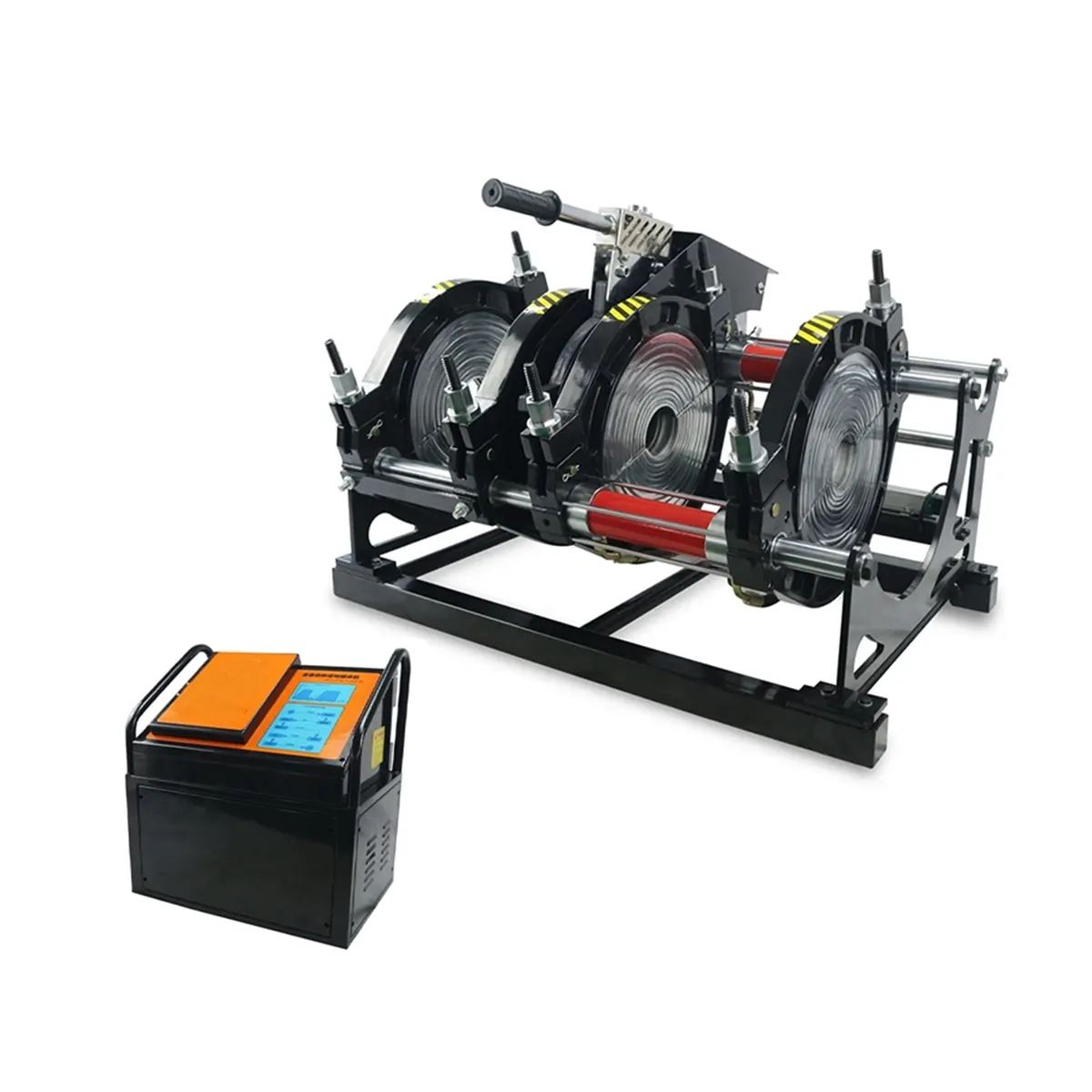
Misalignment can lead to catastrophic joint failure, especially in pressurized systems. Inspect the clamp liners and inserts for wear regularly. If the pipe consistently slips under pressure, you may need to re-cut the pipe ends to ensure they are square. For large-diameter pipes, manual machines might struggle with alignment, making a transition to a more robust hydraulic butt fusion equipment a wise investment for long-term pipeline integrity.
3. Electrical and Hydraulic Power Problems
Inconsistent power output can manifest as weak fusion forces or erratic machine behavior. For hydraulic units, always check the oil filter and ensure the power pack is running smoothly. A sudden drop in pressure often points to a faulty relief valve. A multimeter can be used to verify that the machine receives the exact voltage specified by the manufacturer.
Preventive Maintenance: Avoiding Future Equipment Failures
Proactive care is the most effective form of troubleshooting. A clean machine is a reliable machine. Residue from pipe shavings and melted plastic can build up on the carriage rails, causing drag that throws off fusion pressures. Here is a basic maintenance checklist:
- Daily Cleaning: Wipe down the heater plate surfaces with a non-abrasive, lint-free cloth to remove polymer residue.
- Weekly Inspection: Examine all electrical cables and hydraulic hoses for cracks or abrasion. A fluid leak not only stains but indicates a pressure seal failure.
- Monthly Calibration: Check the thermometer and pressure gauges against a calibrated reference. Drift in these sensors is a primary cause of “mystery” weld failures.
As highlighted in the PPI butt fusion procedure, operator qualification combined with a well-maintained machine is the only path to consistent, code-compliant welds. If you rely on HDPE pipe welding equipment daily, treating maintenance as a non-negotiable ritual is imperative.
When to Seek Professional Service
If you have exhausted basic troubleshooting, such as calibrating sensors and cleaning relays, the issue might require component-level replacement. Frame distortion from accidents or severe corrosion on circuit boards demands professional intervention. JQ-Fusion supports its clients with comprehensive after-sales technical service, ensuring that projects relying on quality HDPE welding machines experience minimal downtime.