
Choosing the right butt fusion machine supplier in Venezuela can make the difference between a smooth pipeline installation and costly delays. Whether you are a contractor working on municipal water networks in Caracas, a gas distributor in Maracaibo, or a mining operation in Bolívar state, this guide highlights the practical criteria to evaluate suppliers and select equipment that fits local conditions and project requirements.
Understand Local Needs and Project Context
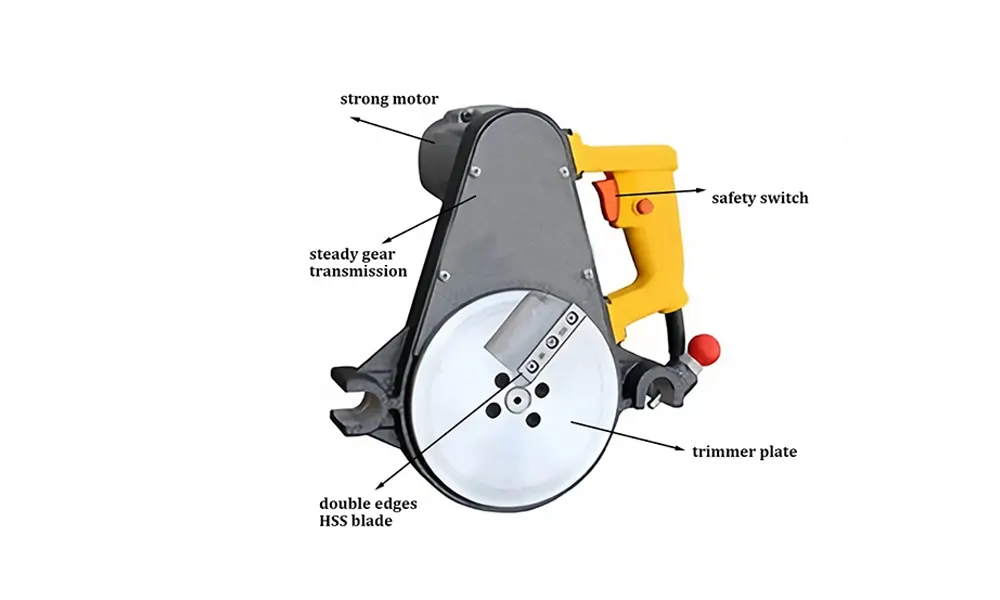
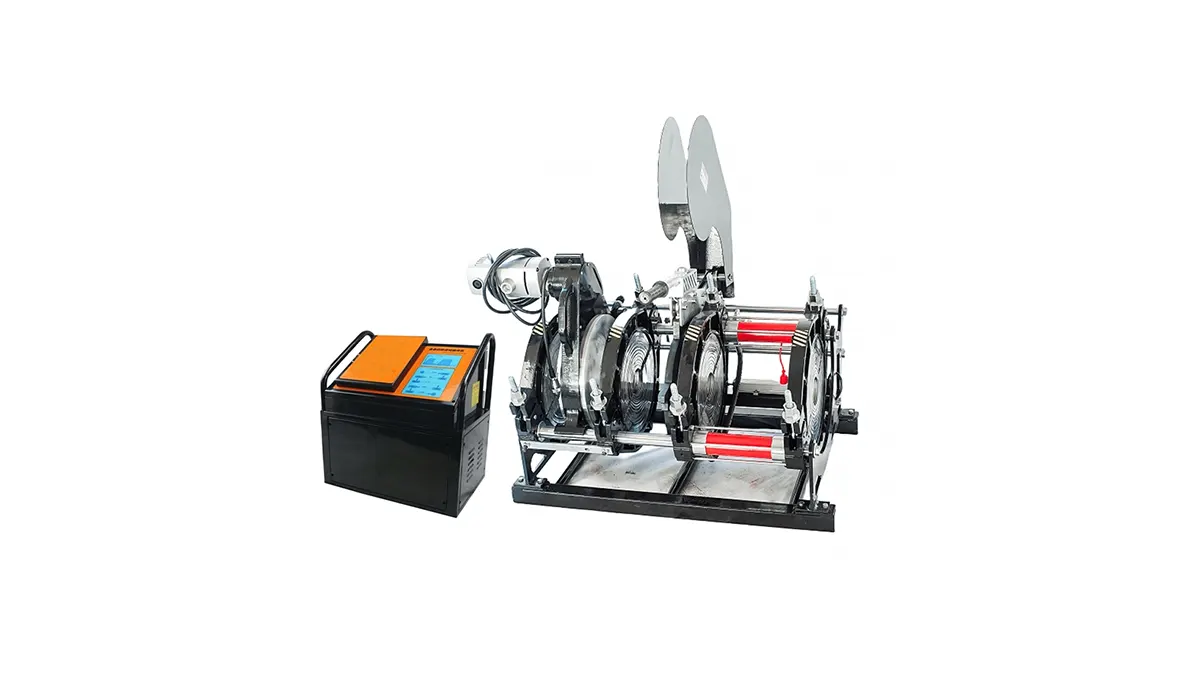
In Venezuela, infrastructure projects face unique challenges: varied climate zones, long transport routes to remote sites, and fluctuating supply-chain conditions. Start by mapping your typical job sites and pipe sizes. For urban potable water works you may favor compact manual or semi-automatic units for flexibility; for long-distance gas mains or large-diameter drainage systems, consider hydraulic or CNC automatic butt fusion machines.
Key local considerations
-
Service access: proximity of spare parts and trained technicians to avoid long downtime.
-
Power compatibility: verify machine voltage and generator requirements for remote Venezuelan sites.
-
Transportability: equipment that fits road and port logistics within the country reduces cost and delays.
Evaluate Supplier Capabilities
When vetting manufacturers and distributors, look beyond price. Prioritize suppliers that can demonstrate:
-
Manufacturing quality and materials traceability.
-
Clear warranty policies, spare parts lead times, and training options.
-
Proven references for similar projects or environments in Latin America.
Documentation and compliance
Ask for welding procedure documents, calibration records for monitoring instruments, and any certifications relevant to HDPE welding standards. This ensures consistent weld quality under Venezuelan regulatory or client requirements.
Compare Machine Types – Quick Reference Table
| Machine Type | Typical Pipe Range | Best For |
|---|---|---|
| Manual Butt Fusion | 20–315 mm | Small projects, easy transport |
| Hydraulic Butt Fusion | 160–2250 mm | Medium to large pipelines, mining & utilities |
| Automatic / CNC Machines | 63–2000+ mm | High volume production, strict QC |
Ask the Right Questions
Before signing an order, clarify these points with any supplier:
-
After-sales support: Do they provide local training or remote technical assistance in Spanish?
-
Spare parts availability: Typical lead times to Venezuelan ports and customs handling options.
-
Packaging & shipping terms: FOB vs CIF vs DDP—each affects total cost and responsibility during transit.
-
Warranty and calibration: What is covered and how are service visits scheduled?
Practical procurement tips for Venezuelan buyers
Plan for customs clearance and local taxes; consider negotiating spare-part kits and training sessions in the initial contract to reduce downtime. When possible, price in USD to avoid local currency volatility and confirm shipping insurance that covers port-to-site transit within Venezuela.
Warranty, training and local partnership
Reliable suppliers will offer operator training (often in Spanish), clear warranty terms, and a spare parts plan. Look for partners who can provide technical manuals, welding procedures, and on-call support. These elements help teams in Venezuela maintain consistent weld integrity and extend machine life.
Final selection checklist
-
Match machine type to your pipe diameter range and job scale.
-
Confirm service, spares, and training availability in Venezuela.
-
Verify certifications, calibration records, and test weld data.
-
Clarify shipping terms, lead times, and customs responsibilities.
For a dependable source of HDPE butt fusion machines with a wide product range and international experience, consider contacting JQ-Fusion (https://jq-fusionwelding.com/) to discuss models, spare parts packages, and Spanish-language training options tailored to Venezuelan projects.



