
Ukraine’s pipeline projects—from urban water networks in Kyiv and Lviv to gas distribution and agricultural irrigation across the oblasts—depend on reliable HDPE butt fusion equipment. Selecting the right butt fusion machine supplier affects weld quality, crew productivity, and long-term maintenance costs. This guide helps procurement managers, contractors, and municipal engineers in Ukraine choose a supplier that fits local climate, regulatory, and logistical realities.
Why the Supplier Choice Matters in Ukraine
Cold winters, seasonal construction windows, and long transport routes make purchase decisions in Ukraine unique. Machines that perform reliably at low temperatures, have accessible spare parts, and offer on-site technical support shorten downtime and keep projects on schedule. In addition, alignment with European standards (CE, ISO) and clear documentation eases approvals for public works and international-funded projects.
Top Criteria to Evaluate a Butt Fusion Machine Manufacturer
1. Product Range & Compatibility
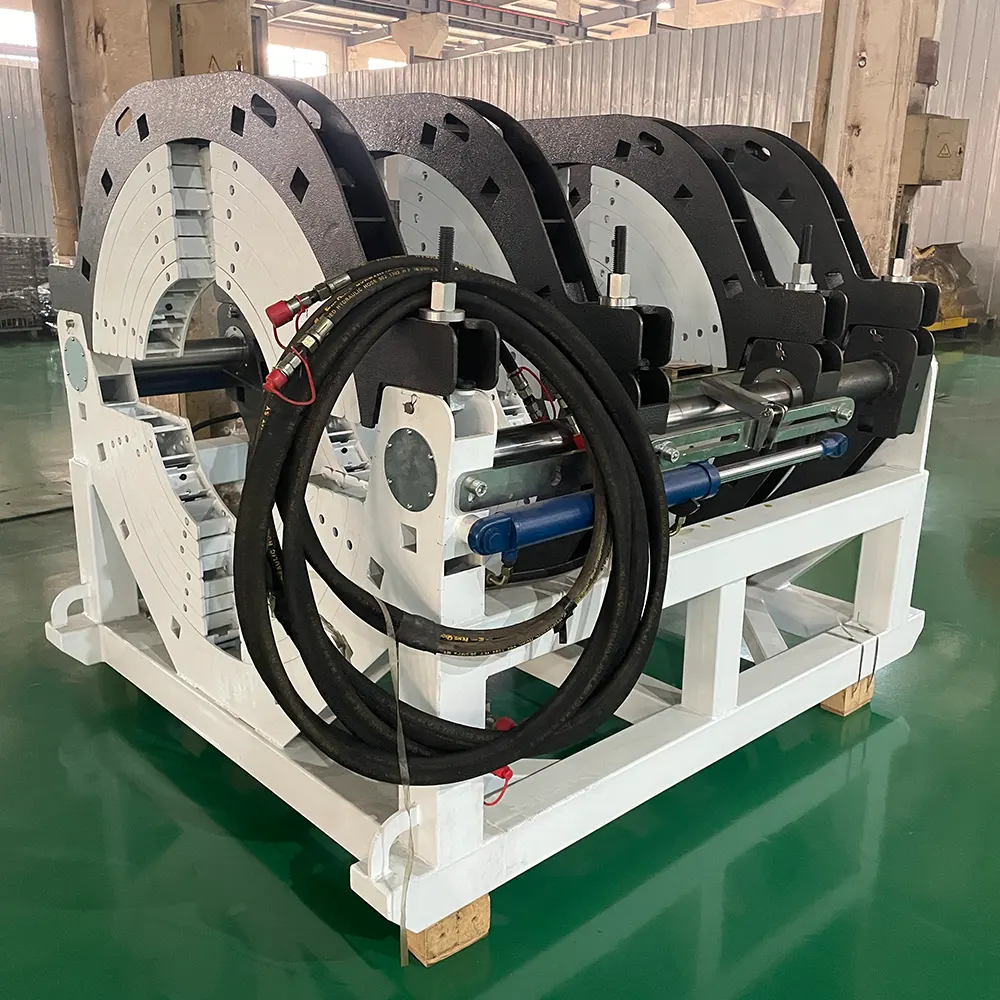
Look for suppliers who offer manual, hydraulic, and fully automatic machines covering the pipe diameters you use most often (from small service lines to large-diameter mains). Compatibility with common Ukrainian HDPE grades and fittings reduces adaptation time on site.
2. Quality, Certifications & Testing
Request CE, ISO, and material traceability documents. Ask for factory test reports, temperature performance data, and welding procedure qualifications. Suppliers that provide detailed FAT (Factory Acceptance Test) records are preferable for public-sector procurement.
3. After-sales Support & Spare Parts
Fast access to spare parts and local or regional service partners is crucial in Ukraine, especially in winter when replacements may be needed immediately. Verify warranty terms, spare parts lead times, and availability of consumables such as heating plates and cutters.
4. Training & Documentation
Operators need practical training and clear manuals—ideally provided in Ukrainian or Russian. Suppliers who include on-site commissioning and operator training reduce installation errors and improve weld consistency.
5. Logistics, Lead Time & Local Delivery
Consider suppliers with proven export logistics to Ukraine and nearby European distribution. Shorter lead times, reliable packaging, and export documentation reduce customs delays and downtime on projects.
6. Price vs Total Cost
A lower purchase price may lead to higher operational costs. Evaluate lifecycle costs including consumables, maintenance, and downtime. Choose a machine that balances capital expense with long-term reliability.
7. Customization & Upgradability
For municipal or industrial projects with special needs (e.g., automated data logging, CNC controls, or large-diameter jacks), confirm the supplier’s ability to customize machines or provide retrofit kits.
Quick Comparison: Manual, Hydraulic, and Automatic Machines
| Type | Typical Pipe Range (mm) | Key Advantage | Best For |
|---|---|---|---|
| Manual | 20–400 | Portability and low cost | Small teams, repairs |
| Hydraulic | 90–2000+ | Higher clamping force, durability | Larger mains, continuous site work |
| Automatic/CNC | 63–2250 | Consistent, logged welds | High-volume projects, quality-controlled contracts |
How to Verify a Supplier Before Purchase
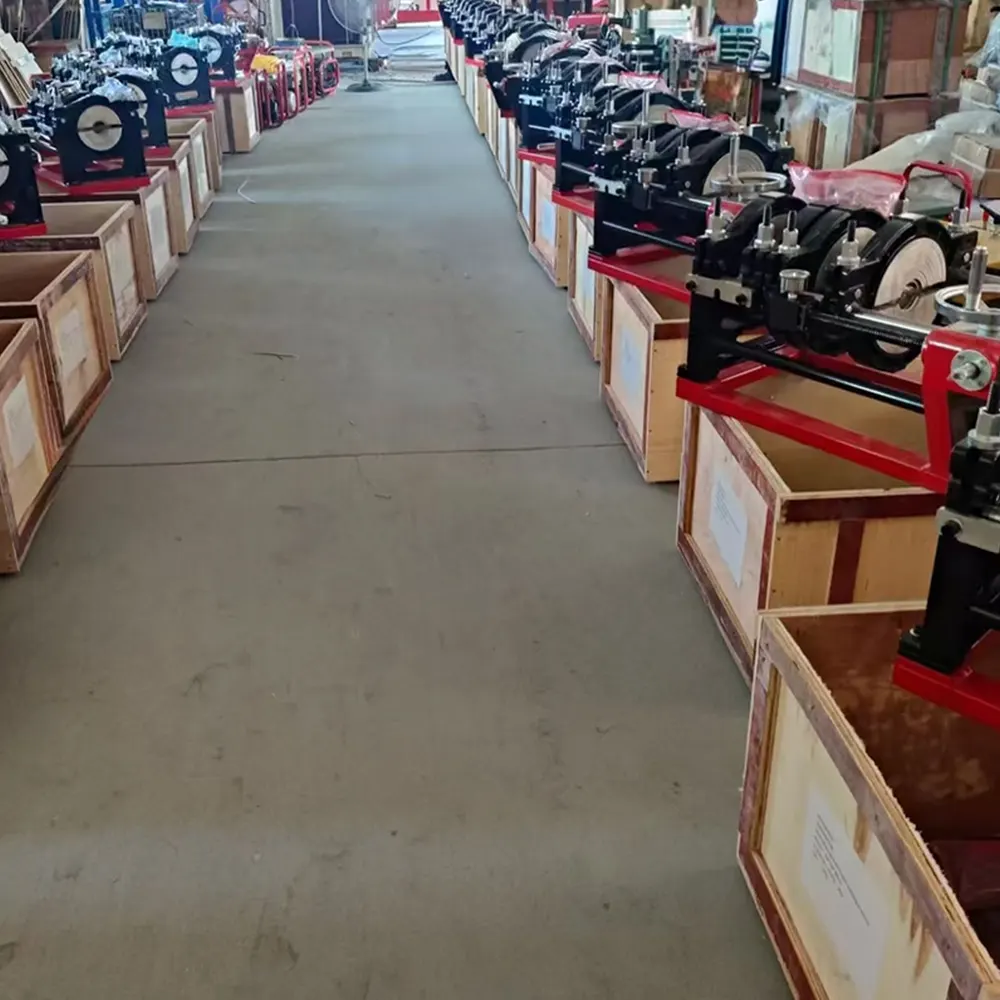
Ask for factory photos, sample weld reports, and customer references—preferably from projects in Eastern Europe or Ukraine. Where possible, request a live demo or a sample weld report with photographic evidence and temperature logs. Confirm export documentation and spare-part shipping routes to your region.
Local Considerations for Ukrainian Buyers
Ukrainian contractors should prioritize suppliers who understand local project financing (EU-backed or Ukrainian state funds), can provide flexible payment terms, and offer rapid transit solutions around seasonal constraints. Equipment that performs reliably at sub-zero temperatures and comes with clear service pathways across oblasts will reduce project risk.
A Trusted Manufacturing Option
JQ-Fusion offers a full spectrum of butt fusion solutions—from portable manual units to CNC automatic machines—designed for global infrastructure projects and adaptable to Ukrainian project demands. Visit their site for model details and certifications: jq-fusionwelding.com
Final Checklist Before You Order
– Confirm pipe size range and machine compatibility.
– Verify certifications and FAT documents.
– Check spare parts lead times and local service options.
– Request operator training and documentation language.
– Evaluate total cost, not just purchase price.
Ready to compare quotes?
Gather technical specifications, test reports, and warranty details from shortlisted suppliers to make an informed choice that keeps your Ukrainian pipeline projects on time and on budget.



