
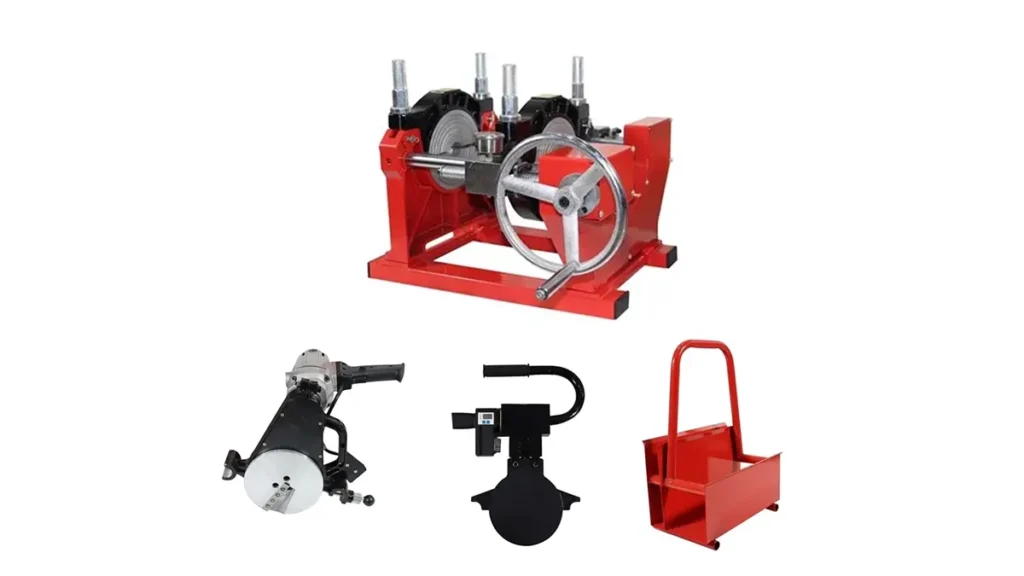
Choosing the right butt fusion machine manufacturer for pipe welding projects in Mexico means balancing durability, service response, and suitability for local conditions — from coastal humidity to highland terrain. This guide helps Mexican contractors, municipal utilities, oil & gas service providers, and irrigation specialists find the best solutions for HDPE pipe welding needs.
Why machine quality matters in Mexico
Reliable fusion equipment reduces rework, prevents leaks in water and gas networks, and lowers long-term maintenance costs. Mexican infrastructure projects often face varied climates and rugged jobsite conditions — machines that deliver consistent heat, precise alignment, and robust hydraulics are essential. Local regulations and industry best practices require welds that stand up to pressure, corrosion, and thermal cycles.
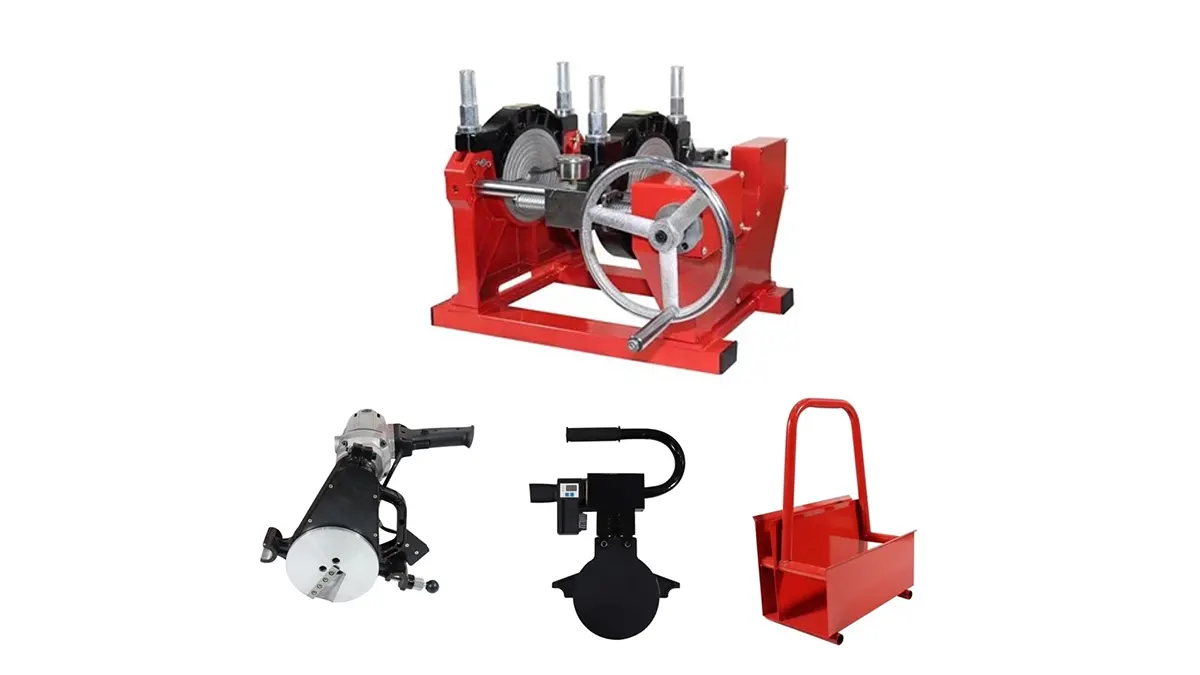
Common butt fusion machine types — which fits your project?
Selecting the right type depends on project scale, pipe diameter, and crew skill level. Below are the most common options used across Mexico’s water, gas, mining, and irrigation works:
- Manual machines — Simple, portable, ideal for small-diameter pipes and rural installations.
- Hydraulic machines — Offer stronger clamping force for medium to large diameters; useful for pipeline contractors and municipal crews.
- Automatic / CNC machines — Best for high-volume, precision welding in industrial and long-distance utility pipelines.
- Multi-angle fitting machines — For complex junctions and factory prefabrication of HDPE fittings.
Quick comparison
| Type | Best for | Pipe sizes | Key benefit |
|---|---|---|---|
| Manual | Rural repairs, small jobs | 20mm–315mm | Lightweight, low cost |
| Hydraulic | Municipal & contractor pipelines | 63mm–1250mm+ | High clamping force, stable welds |
| Automatic/CNC | Large projects, factory lines | 110mm–2000mm+ | Precision, repeatability |
Evaluating manufacturers and suppliers in Mexico
When comparing vendors, look beyond price. Prioritize:
- Proven product reliability and test records.
- Availability of local spare parts or fast shipping to Mexico.
- Training programs for Mexican crews — hands-on practice reduces weld failures.
- After-sales service and warranty terms that cover field conditions.
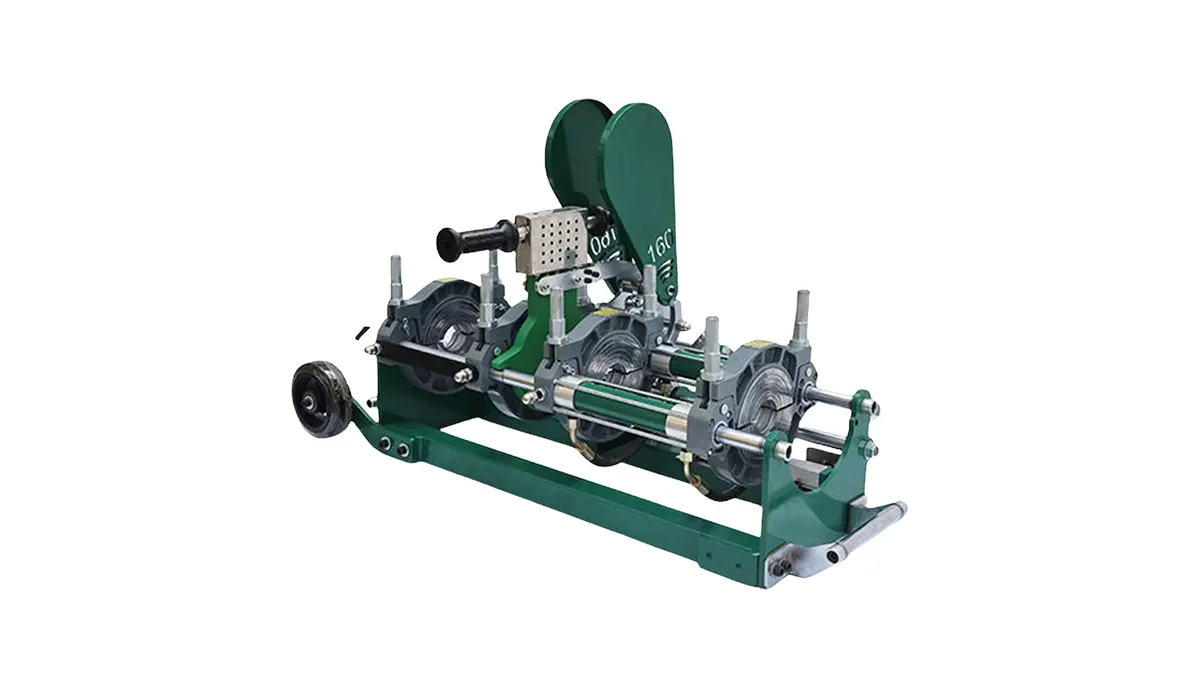
Cost vs. return on investment (ROI)
Lower initial cost can mean higher operating expenses. Consider these ROI factors:
- Productivity: Automatic machines reduce weld time on long runs.
- Downtime: Robust hydraulics and proven electronics cut field delays.
- Training: Investing in operator training yields consistent weld quality, especially for local crews in Mexico.
- Project type: For irrigation and municipal waterworks, reliability and low leak rates are crucial; mining and industrial projects may value larger-diameter capability and heavy-duty frames.
Checklist before buying
Confirm the following with any manufacturer or distributor: machine capacity (mm), heater plate quality, clamping force, control system (manual vs. CNC), spare parts lead time to Mexico, and on-site commissioning availability.
A recommended supplier option
For a balanced offering of manual, hydraulic, and automatic butt fusion machines — plus multi-angle fittings equipment and responsive support — consider contacting JQ-Fusion for tailored solutions and project advice.
Next step: Request technical datasheets and local reference projects, arrange a demonstration or training session for your Mexican team, and compare quotes including shipping and customs to ensure the best long-term value.



