
Selecting the right gas pipeline welding machine starts with understanding the critical welding parameters and how they affect joint quality, production speed, and on-site safety. This guide breaks down the essential specifications, compares machine types, and gives a practical checklist to match equipment to your project needs.
Why Welding Parameters Matter for Gas Pipelines
Gas distribution pipelines demand consistent, leak-free joints. Parameters such as heating temperature, fusion time, axial pressure, and alignment tolerance directly influence the mechanical strength and long-term integrity of HDPE pipeline welds. Choosing equipment with accurate controls and repeatable performance reduces rework and maximizes on-site productivity.
Key Parameters to Check
When evaluating machines, focus on the following parameters. The colored labels make it easier to scan key items quickly:
- Pipe Diameter Range: Ensure the machine supports your project’s minimum and maximum pipe sizes.
- Heating Plate Size & Temperature Control: Precise temperature control helps prevent overheating or under-heating of the fusion surface.
- Axial Force / Clamping Pressure: Sufficient and adjustable pressure is required for proper melt and joining.
- Power Supply & Consumption: Confirm compatibility with site power (single/three-phase) and available generators.
- Control System: Manual, timer-based, or CNC controls affect repeatability and operator training needs.
- Mobility & Weight: Important for remote or trench welding operations.
- Accuracy & Alignment: Look for features like adjustable clamps, centering devices, and alignment gauges.
| Parameter | Typical Range / Notes | Why It Matters |
|---|---|---|
| Pipe diameter | 16 mm – 2250 mm (varies by model) | Choose machine to cover project pipe sizes without adapters. |
| Heating temperature | 180°C – 260°C (controlled) | Stable temp ensures proper melt and joint strength. |
| Axial pressure | Adjustable up to several kN | Controls bead formation and prevents weak joints. |
| Power requirements | 230V/400V/Generator options | Match to site supply to avoid downtime. |
Machine Types and Parameter Focus
There are three common classes of butt fusion machines used for gas pipelines:
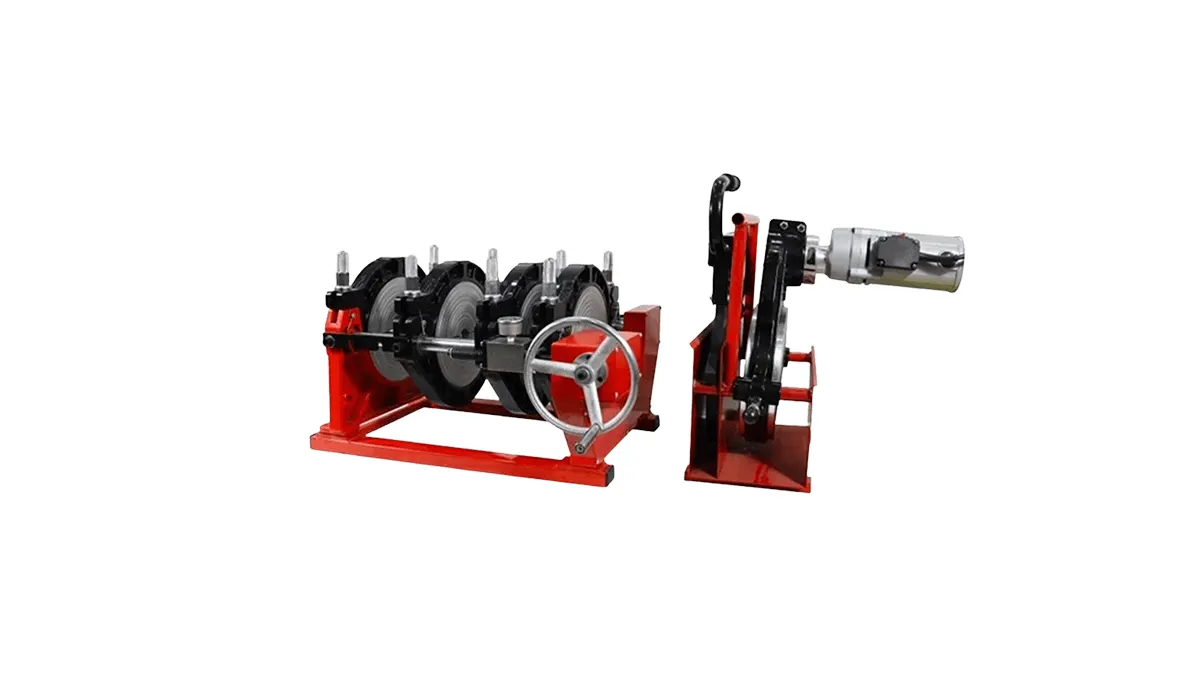
- Manual (Portable) – Best for small-diameter pipes and tight-access sites. Look for simple temperature and time controls and sturdy clamps.
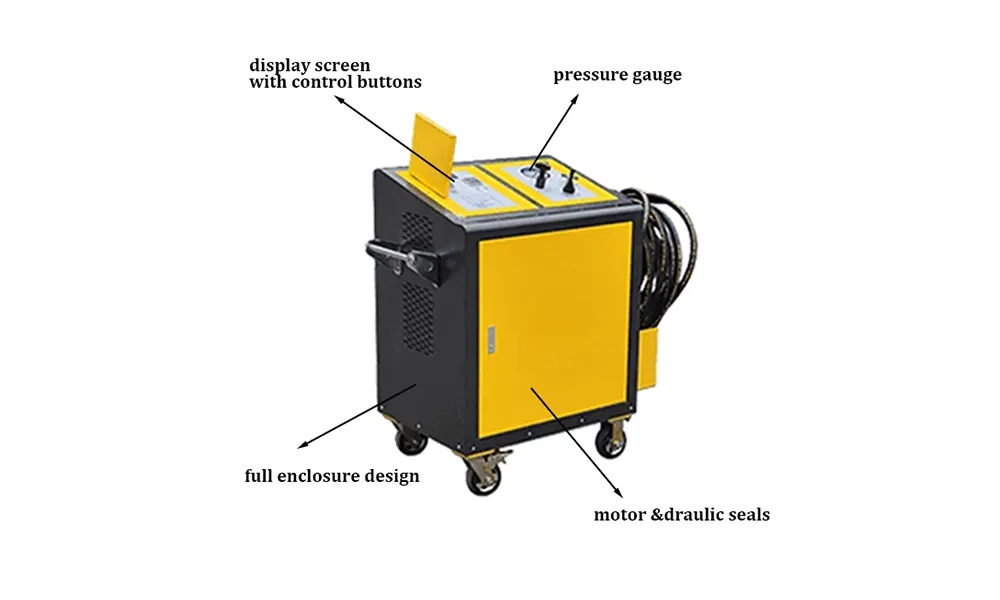
- Hydraulic – Suited to medium-to-large diameters; hydraulic systems provide stable axial force and faster cycle times.
- CNC / Automatic – Ideal for high-volume or critical lines where digital control over pressure, alignment, and heating sequences ensures consistent weld quality.
How to Choose the Right Machine: A Quick Checklist
Use this practical checklist on procurement:
- Match diameter range: The machine should cover all planned pipe sizes without frequent changeovers.
- Verify temperature & pressure control accuracy: Ask for calibration certificates or on-site testing options.
- Assess site power & transport constraints: Ensure compatibility with available power supply and that the unit can be transported to trenches or remote areas.
- Operator skill level: CNC units reduce operator variability but may require training; manual machines need experienced operators.
- Spare parts & service: Confirm lead times for heating plates, clamps, and hydraulic components.
Maintenance, Calibration & Lifespan
Regular maintenance preserves weld quality: clean and inspect heating plates, check hydraulic hoses and seals, calibrate temperature controls, and store equipment dry. A preventive service plan and recorded calibration create traceability for gas pipeline projects and reduce unexpected failures.
Safety, Standards & Documentation
For gas pipelines, insist on machines and procedures that support recognized welding standards (ISO, ASTM, or local equivalents). Keep weld logs, parameter records, and operator certifications on file to meet regulatory and client audit requirements.
Sample Parameter Comparison by Application
| Application | Recommended Machine | Key Specs |
|---|---|---|
| Urban gas distribution | Portable manual / small hydraulic | 16–315 mm, simple controls, lightweight |
| Long-haul high-pressure lines | CNC / large hydraulic | 315–2000 mm, precise pressure & temp control |
For high-quality butt fusion solutions and wide model availability matched to gas pipeline projects, consider manufacturers with a broad product range and responsive service. Learn more at JQ-Fusion for model specs, spare parts, and technical support.



