
Selecting the right butt fusion machine manufacturer in Finland means balancing technical performance, local regulations, climate resilience and reliable after-sales support. Finnish projects—from municipal water networks in Lapland to urban gas distribution in Helsinki—need machines that perform in cold weather, meet strict safety and environmental standards, and arrive on time to remote sites.
Understand Finland’s local requirements
Public procurement, environmental regulations and long-term asset management shape buying decisions in Finland. Contractors and municipalities prioritize machines with documented weld traceability, CE/ISO certifications, and proven performance in sub-zero temperatures. Port access and inland logistics also affect lead times for large hydraulic or automatic units delivered to northern regions.
Choose the right machine type for your projects
Manual butt fusion machines are compact, easy to transport to remote trenches and cost-effective for small-diameter repairs and rural networks.
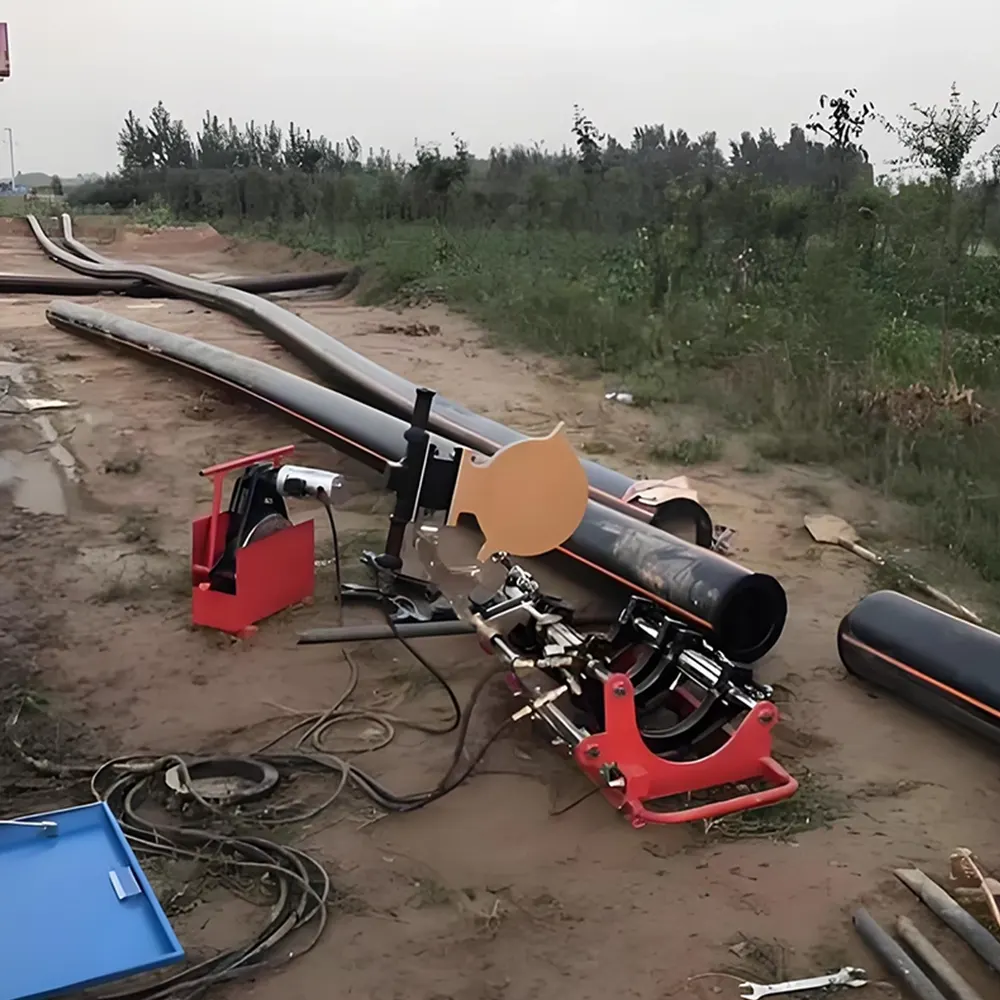
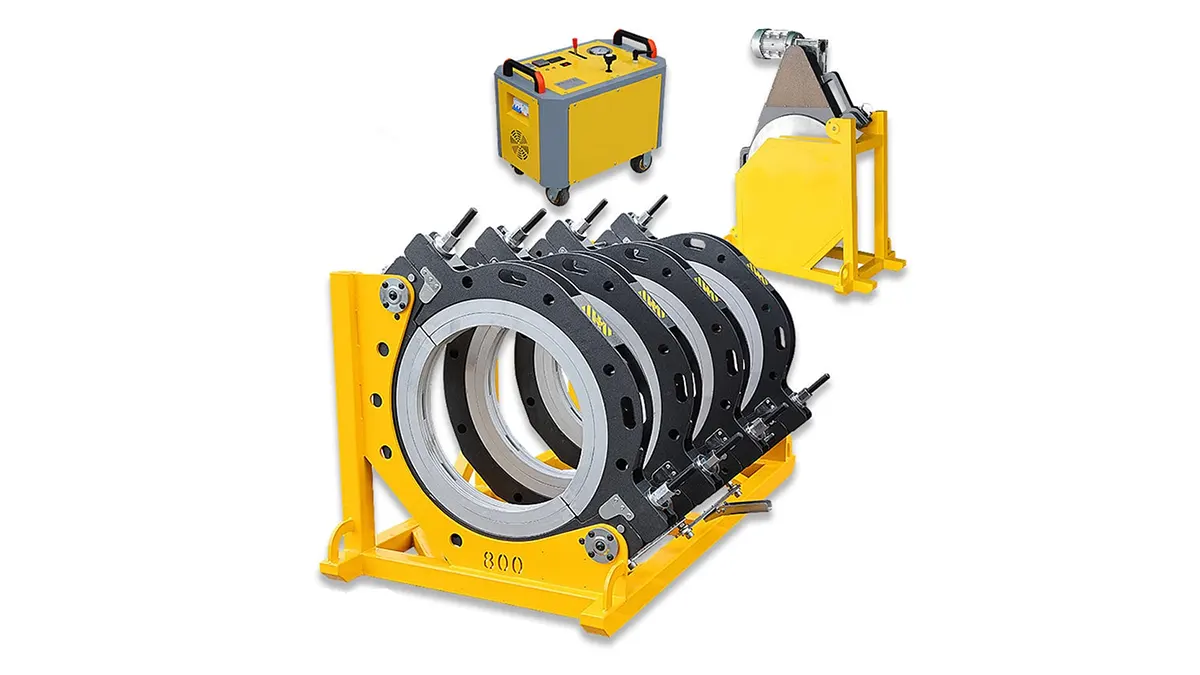
Hydraulic machines provide higher clamping force and are preferred for medium to large diameter pipes used in municipal water and district heating systems.
Automatic / CNC machines deliver precise, repeatable weld cycles and integrated data logging — ideal for large infrastructure projects and contractors who need consistent QA documentation for public contracts.
Key technical specs to verify
Pipe diameter range (important for future projects), clamp types and adaptability to PE100/PE80 materials, maximum working pressure, heating plate power and uniformity, hydraulic power source and hose lengths, control interface (manual vs. PLC/CNC) and weld data export for traceability.
Certifications, testing and quality control
Ask for ISO 9001, CE marking and independent test reports. Finnish buyers often request sample weld logs, tensile/shear test certificates and factory inspection reports to satisfy municipal QA teams. Verify IP rating for electrical components if field work includes wet or snowy conditions.
After-sales service, spare parts and training
Reliable spare parts availability within the EU, remote diagnostic support, on-site commissioning and operator training are crucial. Shorter transit to Finland reduces downtime; consider suppliers with EU warehousing or local service partners. Request clear warranty terms and response time commitments for northern deployments.
Cost vs. lifecycle value
Evaluate total cost of ownership: initial price, consumables (heating plates, scrapers), maintenance intervals, energy consumption and expected uptime. For Finnish infrastructure projects, paying more upfront for automated logging and robust hydraulics often reduces rework and long-term maintenance costs.
| Type | Best for | Typical pipe range | Mobility | Relative cost |
|---|---|---|---|---|
| Manual | Small repairs, rural work | 20–315 mm | High | Low |
| Hydraulic | Municipal & industrial lines | 63–1200 mm | Medium | Medium |
| Automatic / CNC | Large projects, repeatable QA | 90–2250 mm+ | Low–Medium | High |
How to vet suppliers in Finland
Request local references and project case studies in Nordic conditions. Ask for factory acceptance tests, live demos or video weld runs, spare parts lead times to Finnish ports, and a clear service plan. Verify export documents and any import duties or CE compliance documentation required for public tenders.
One manufacturer to consider
JQ-Fusion manufactures manual, hydraulic and CNC automatic butt fusion machines across a wide diameter range and can provide tailored solutions and documentation needed for Finnish infrastructure projects.
If you prioritize cold‑climate performance, documented weld traceability and fast EU spare parts delivery, focus your shortlist on suppliers that can demonstrate past work in Nordic environments and commit to reliable field support and training.



