
Demand for reliable, affordable butt fusion machines is rising across DR Congo as governments, contractors and mining companies expand water, gas and industrial HDPE pipeline projects. Choosing equipment that stands up to remote sites, humid conditions and long supply chains is essential to avoid costly rework and downtime.
Why Butt Fusion Is the Smart Choice for DR Congo
Butt fusion welding delivers leak-free joints ideal for high-pressure water networks, gas distribution and slurry pipelines used in the Congolese mining sector. The technique is robust in variable field conditions and scales from small rural water systems near Kisangani to large urban networks in Kinshasa.
Local Challenges to Consider
Logistics: long inland transport routes and limited heavy-transport availability around Lubumbashi and southern mines make compact, modular machines advantageous. Training: operators may have mixed experience — choose equipment with intuitive controls and clear documentation. After-sales: spare parts and responsive service are critical; evaluate supplier support for on-site repairs and spare inventories.
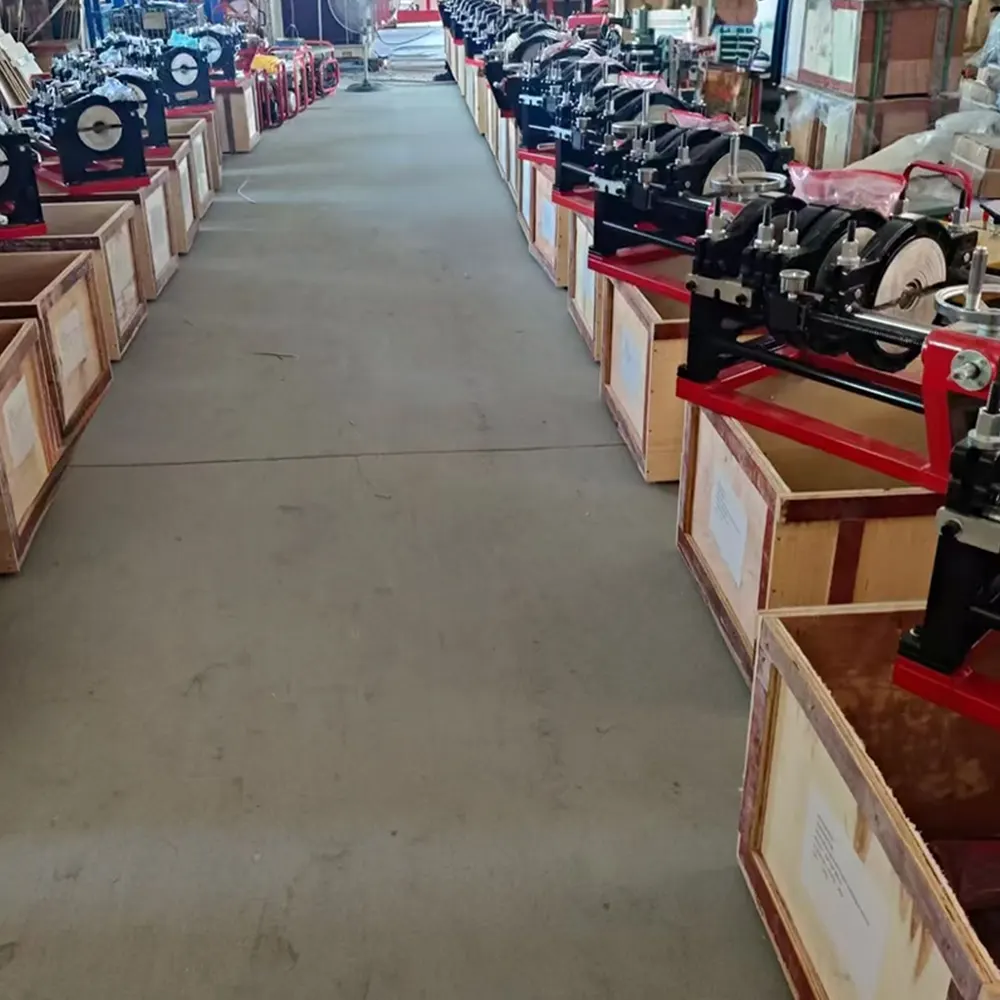
Types of Butt Fusion Machines and Where They Fit in DRC Projects
Selecting the right machine depends on pipe diameter, job mobility and budget. Below is a simple comparison to help procurement teams and site managers in DR Congo make informed choices.
| Machine Type | Pipe Range | Best For | Estimated Cost |
|---|---|---|---|
| Manual Butt Fusion | 20mm – 630mm | Small projects, rural water supply, low CAPEX | Low – Moderate |
| Hydraulic Butt Fusion | 160mm – 1600mm+ | Municipal networks, industrial pipelines, mining | Moderate – High |
| Automatic / CNC Butt Fusion | 63mm – 1250mm | High-volume, precision-critical works | High |
| Electrofusion (complementary) | 20mm – 630mm fittings | Repair work, fittings, smaller pipelines | Low – Moderate |
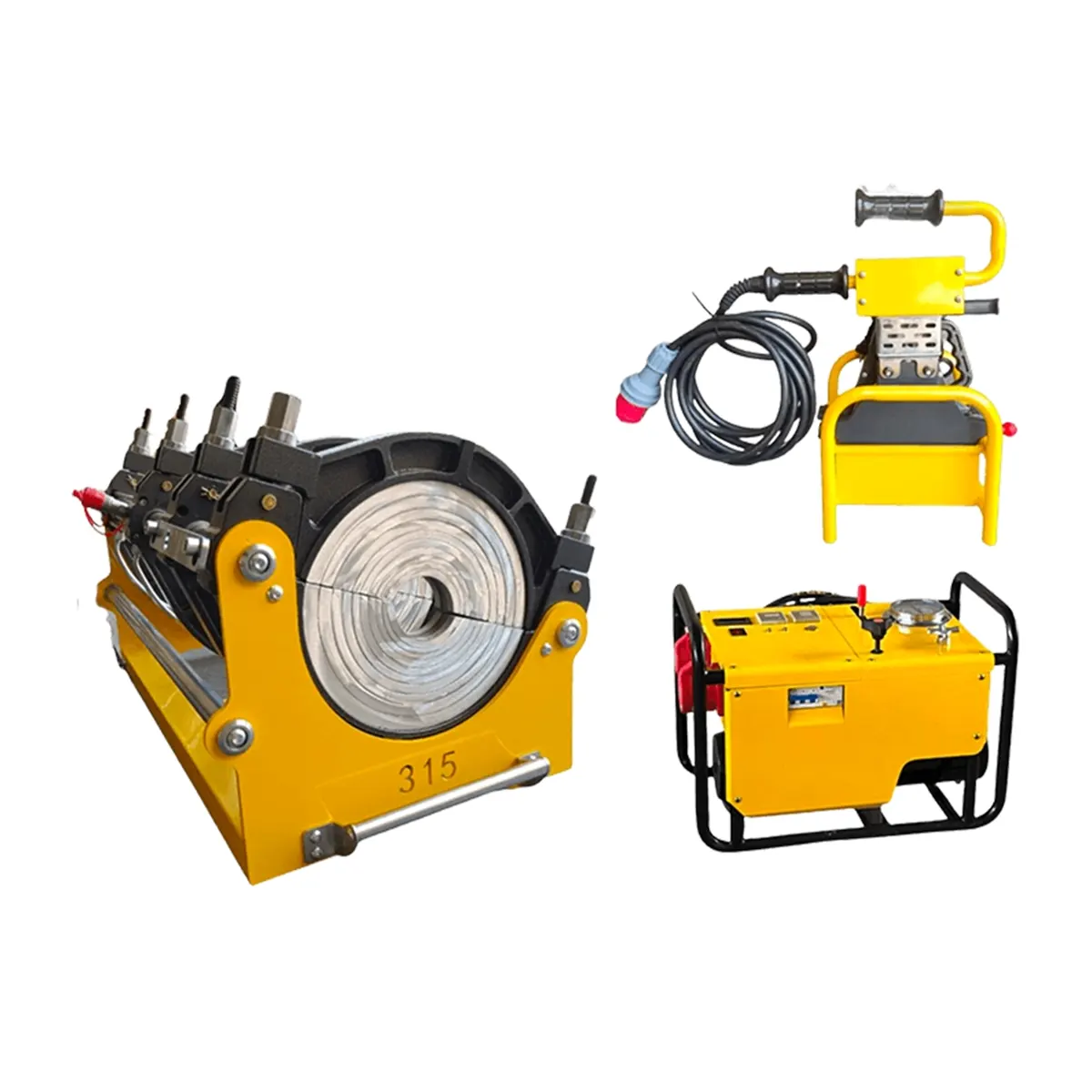
Key Features to Prioritize
Durability: corrosion-resistant frames and sealed hydraulic components resist humid, dusty environments. Mobility: foldable or trailer-mount options reduce transport costs to remote project sites. Power options: compatibility with local generators and variable voltages ensures reliability in grid-limited areas.
Buying Tips for Procurement Teams in DR Congo
- Check spare parts availability — long lead-times increase downtime costs.
- Request training packages for on-site crews; look for suppliers that include operator and maintenance training.
- Ask for field references in similar climates or mining projects to validate performance.
- Verify warranty & service plans covering hydraulic systems, heaters and control units.
A Manufacturer to Consider
Consider JQ-Fusion (https://jq-fusionwelding.com/) as a supplier that offers manual, hydraulic and automatic butt fusion machines across a wide diameter range — suitable for water supply, gas distribution and mining pipeline projects common in DR Congo.
Final Selection Checklist
- Pipe diameter coverage — confirm the machine supports your project’s max diameter.
- Field service reach — prioritize vendors who can support Kinshasa, Lubumbashi and remote mine sites.
- Operator friendliness — simpler controls reduce training time and welding errors.
- Total cost of ownership — include transport, spares, training and warranty when comparing quotes.
Next step: request quotes, lead times and training options from shortlisted suppliers, and plan a demonstration on a sample joint to verify weld quality before large-scale procurement.



