
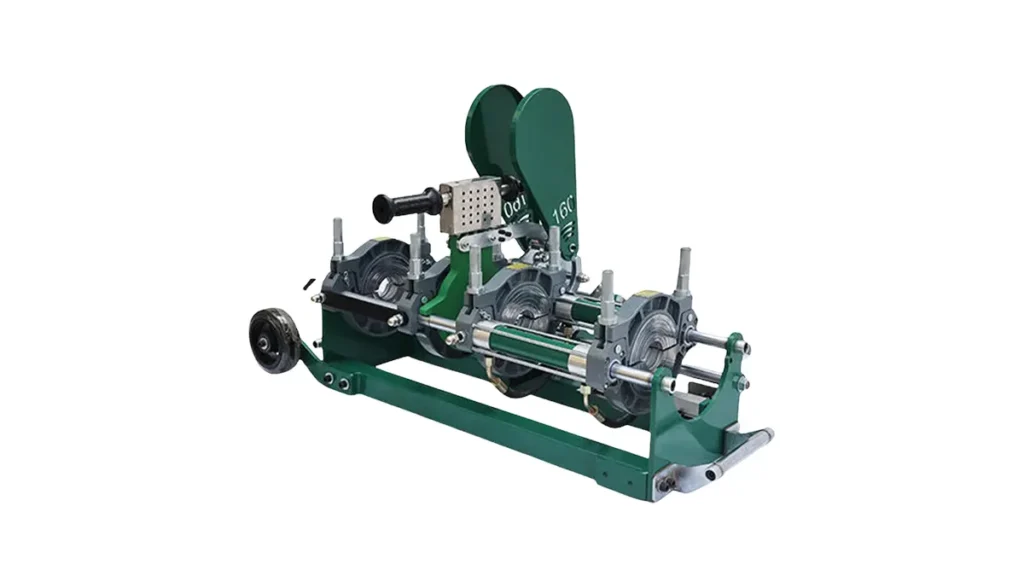
The evolution of HDPE pipe welding has accelerated infrastructure projects worldwide. Automatic butt fusion welding machines for HDPE pipes deliver repeatable, high-quality joints with increased speed and reduced operator dependency. This guide explains core features, practical benefits, and common applications to help contractors, utility companies, and procurement teams choose the best solution for their projects.
Key Features of HDPE Pipe Automatic Welding Machines
Automatic butt fusion machines integrate precision control systems and robust mechanical design to manage the full welding cycle: alignment, facing, heating, fusion, and cooling. Typical features include:
- Closed-loop hydraulic or electric drive for stable pressure during fusion.
- Programmable control panel with digital temperature and time profiles for consistent welds.
- Integrated facing tools with automatic stroke control to ensure parallel end preparation.
- High-accuracy pressure sensors and displacement feedback for process traceability.
- Modular clamps and adapters to fit a wide range of pipe diameters and SDR ratings.
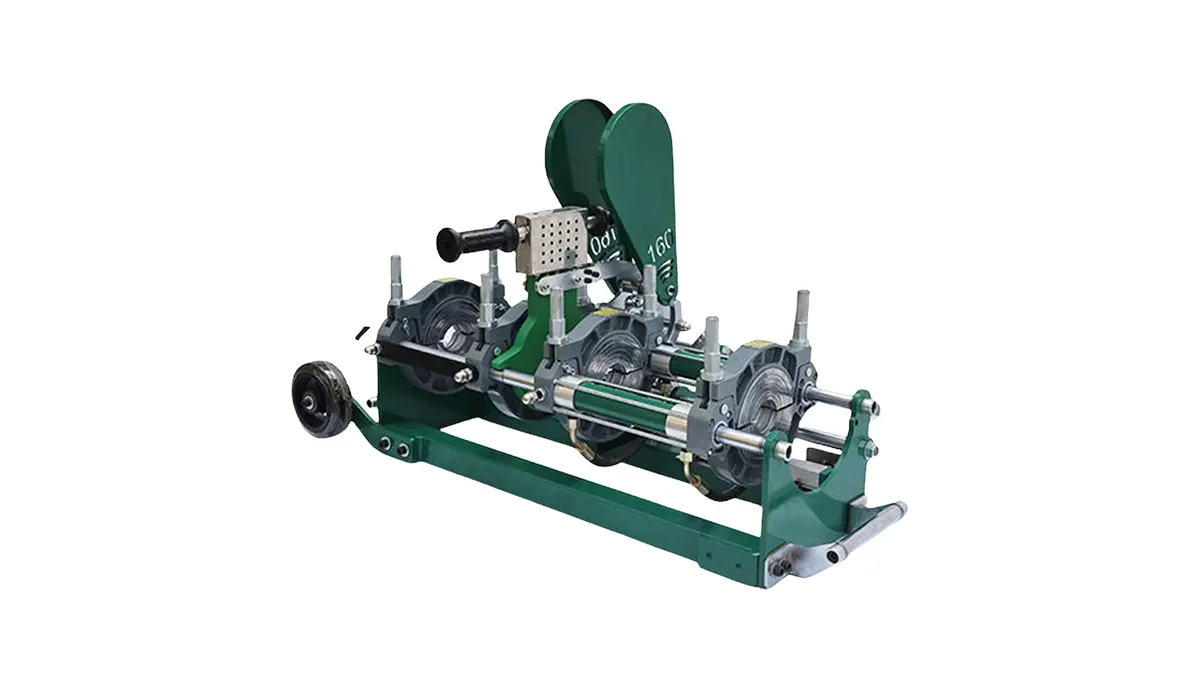
Precision Controls and Safety
Modern automatic machines use PLCs or microcontroller-based systems to automate heating-time, fusion-pressure, and cooling. Built-in safety interlocks and alarms reduce human error and improve on-site safety, especially in long runs or confined trench conditions.
Performance Benefits for Contractors and Utilities
Switching from manual or semi-automatic equipment to fully automatic welding brings measurable advantages:
- Higher throughput: consistent cycle times reduce per-joint labor.
- Improved quality: digital profiles and closed-loop control deliver uniform fusion strength.
- Lower rework rates: automated facing and alignment minimize defects.
- Traceability: logged weld parameters support quality assurance and regulatory compliance.
- Reduced operator training time: most tasks are guided or automated by the machine.
Cost-Effectiveness
Although the initial investment is higher than basic machines, long-term savings come from reduced labor hours, fewer rejects, and faster project completion. For large municipal or industrial jobs, ROI is often realized quickly.
Common Applications
Automatic HDPE welding machines are widely used across sectors where durable, leak-free thermoplastic joints are critical:
- Water supply networks — distribution mains, trunk mains, and service connections.
- Gas distribution — medium and low-pressure pipelines requiring certified welds.
- Mining and slurry pipelines — long runs with abrasive media benefit from reliable joints.
- Industrial process piping — chemical and effluent systems using corrosion-resistant HDPE.
- Agricultural irrigation and drainage systems — fast installation across large areas.
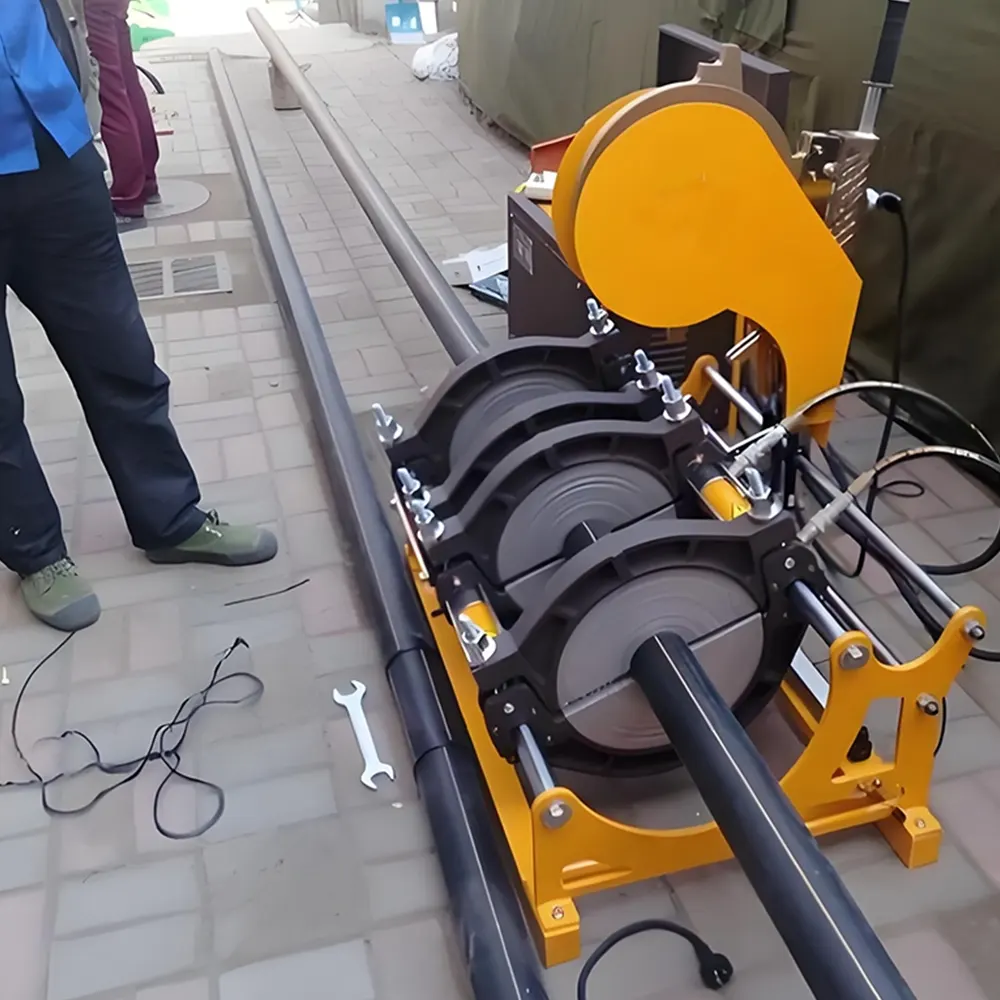
Environmental and Regulatory Advantages
HDPE systems fused with automated machines produce monolithic, leak-resistant pipelines that reduce contamination risk and water loss. Many utilities prefer documented weld records that automatic machines can produce for regulatory compliance and warranty claims.
Quick Comparison Table
| Specification | Typical Range / Value | Why It Matters |
|---|---|---|
| Pipe Diameter | 63mm – 630mm (varies by model) | Versatility across projects |
| Control Type | CNC/PLC with touchscreen | Repeatable weld parameters |
| Heating Plate | Replaceable PTFE-coated plates | Even heat distribution, low sticking |
| Documentation | Parameter logs and CSV export | Audit-ready weld records |
How to Choose the Right Machine
Evaluate expected pipe diameters, site conditions (trench vs. yard), power availability, and required traceability. For long-term fleet planning, favor machines with modular jaws and upgradeable control systems. Consider service network and spare-parts lead time when selecting a manufacturer.
Maintenance & Best Practices
Regularly calibrate pressure sensors, keep heating plates clean, and verify facing knife alignment. Store spare PTFE plates and hydraulic seals on-site for fast turnaround. Train operators on safety protocols and the machine’s automatic sequences to maximize uptime.
Procurement and Support
When purchasing, request demonstration welds, clear warranty terms, and training packages. Confirm the supplier provides timely technical support and spare parts for models matching your pipeline diameter range.
About the Manufacturer
JQ-Fusion is a professional manufacturer specializing in HDPE pipe welding machines, offering automatic butt fusion solutions, quality control, and global support: https://jq-fusionwelding.com/



