
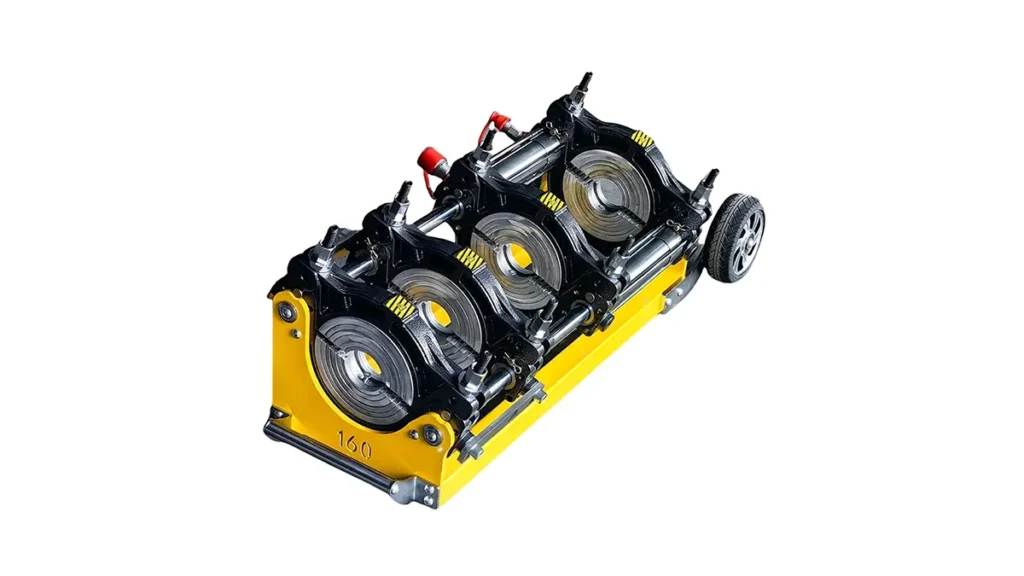
Choosing a Butt Fusion Machine Maker in Georgia: Practical Guide for Contractors and Utilities
If you’re a pipeline contractor, municipal utility manager, or gas distributor in Georgia (USA), selecting the right butt fusion machine supplier is a critical decision. Georgia projects face humid summers, varied soil conditions, and a mix of urban and rural job sites — all factors that affect machine selection, service needs, and logistics. This guide walks through the types of machines, local considerations, key questions to ask suppliers, and a clear comparison to help you make a confident purchase.
Local Considerations in Georgia
In Georgia, pipeline work ranges from city water mains in Atlanta to rural irrigation and gas distribution in the coastal and inland counties. Look for suppliers who understand:
– Field durability in hot, humid environments and corrosion-resistant components.
– Port and freight logistics if importing equipment (Savannah is a major shipping hub).
– Availability of on-site training and fast spare-parts delivery for minimised downtime.
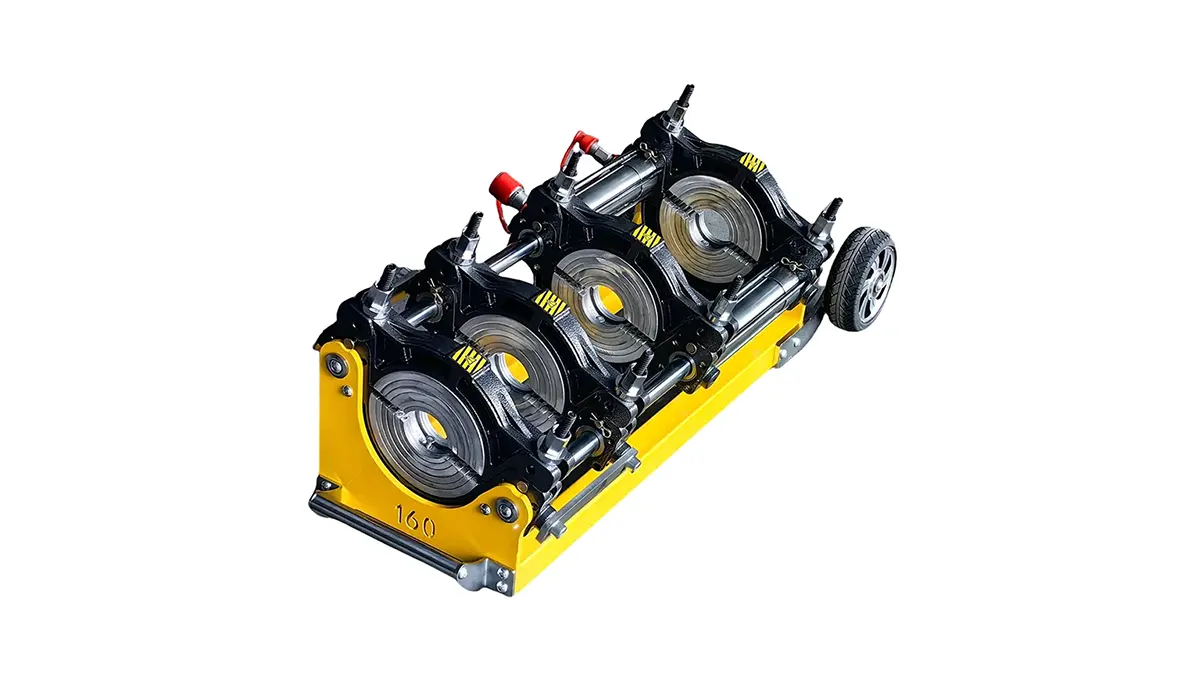
Types of Butt Fusion Machines — Which Suits Your Georgia Project?
Understanding machine categories helps align purchase with job scope:
Manual Machines
Cost-effective for small-diameter pipes and crews that perform occasional fusion work. Best for local repair teams, rural contractors, and small municipal crews.
Hydraulic Machines
Ideal for frequent field use across varied terrain. Offer consistent force control and are widely used by large contractors doing distribution mains and industrial pipelines.
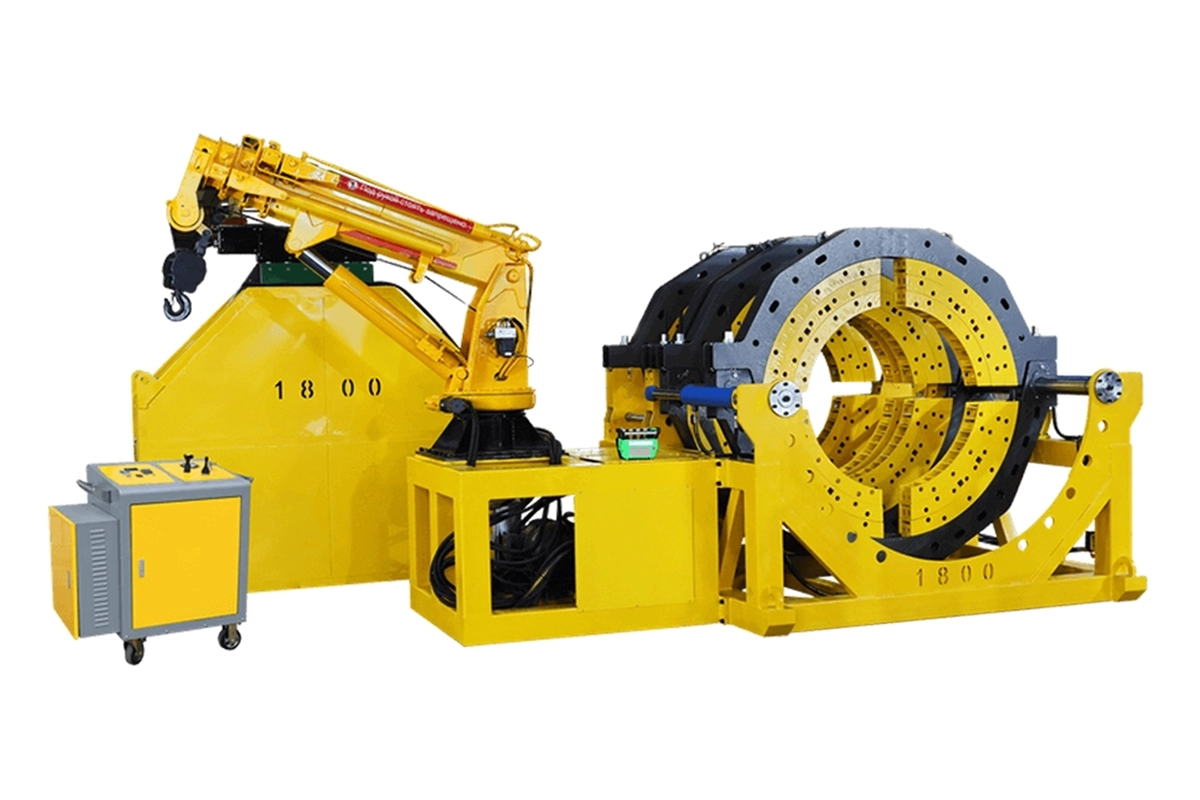
CNC Automatic Machines
For high-volume, precision welding (large-diameter mains, major utility projects). They reduce operator variability and speed up production on major infrastructure contracts.
Quick Comparison Table
| Machine Type | Best For | Typical Pipe Range | Field Robustness |
|---|---|---|---|
| Manual | Small repairs, occasional jobs | 16mm – 250mm | Moderate |
| Hydraulic | Typical field contracting | 63mm – 2000mm+ | High |
| CNC / Automatic | Large projects, precision welding | 160mm – 2250mm+ | Very High |
Key Questions to Ask Any Supplier
When evaluating makers and distributors, prioritize these questions to protect your investment and schedule:
1. What pipe size range and models do you recommend for our application?
Confirm the machine supports the specific HDPE sizes used on your projects — distribution, transmission, or irrigation lines require different equipment.
2. Are standards and certifications met (ASTM, ISO, AWWA where applicable)?
Ask for documentation. Compliance with international and US standards assures weld integrity and easier project approval with utilities.
3. What warranty, spare parts, and local service options exist?
Georgia contractors need rapid service — check for authorized service partners, parts stock, and response times, especially during peak construction seasons.
4. Do you provide operator training and on-site commissioning?
Proper training reduces rework and safety incidents. Prefer suppliers who include classroom and field training as part of the purchase.
5. How is the machine powered and how does it perform in hot/humid climates?
Confirm rated operating temperature, cooling requirements, and any sealing against moisture or salt air if working near the coast.
6. What is the lead time and shipping plan to Georgia? Any support for import/customs?
Lead times and import logistics (if machine is imported) affect project schedules. Check supplier experience with Georgia ports and freight forwarders.
Commercial & Contract Considerations
Be clear on pricing elements: base machine, optional accessories (aluminum clamp frames, heater plates, trimming tools), installation, training, and long-term service contracts. Ask for a breakdown of expected operating costs — consumables, spare heaters, hydraulics maintenance, and calibration services.
Why Choose a Reputable Manufacturer
A strong supplier reduces downtime, ensures weld quality, and supports compliance for municipal and private contracts. Consider JQ-Fusion (https://jq-fusionwelding.com/) as an example of a vertically integrated manufacturer offering manual, hydraulic, and CNC automatic butt fusion machines across a wide diameter range — with a history of export and project support.
Final Checklist Before Purchase
– Confirm model matches your most common pipe sizes and workloads.
– Verify local service network and parts availability.
– Require clear warranty terms and training package.
– Request performance references from Georgia or similar climates.
– Ensure documentation for standards compliance and commissioning.
Next Steps
Collect quotes from several suppliers, compare the full lifecycle cost (not just the purchase price), and arrange demonstrations or site visits whenever possible. Choosing the right butt fusion machine maker early will improve productivity, safety, and long-term reliability for your Georgia projects.



